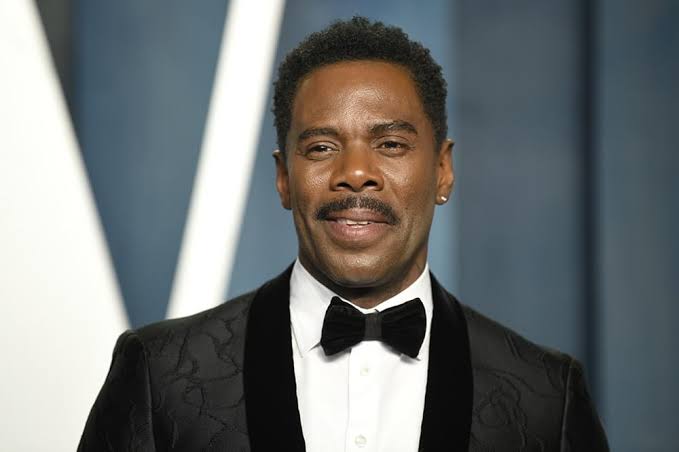
Tristan Walker’s leadership story goes beyond building Bevel or selling Walker & Company Brands to Procter & Gamble. It’s about recognizing a market that others overlooked, creating for people who were underserved, and showing that culture, values, and business goals can coexist.
Walker founded Walker & Company Brands in 2013, launching Bevel as a grooming brand aimed at people of color. In 2018, Procter & Gamble acquired the company, and Walker remained CEO, moving the business from Palo Alto to Atlanta. This new location was closer to a large customer base and a more suitable operating environment.
In a 2023 conversation at the Stanford Graduate School of Business, Walker looked back at his journey from Stanford MBA to founder. He emphasized that he did not pursue what others were after; instead, he chased what aligned with his values.
For entrepreneurs in 2026, his career offers clear guidance: build from lived experience, lead with conviction, and don’t confuse a neglected market with a small one.
1. Build From a Real Problem, Not a Trend
Walker’s key business insight came from a personal issue. Bevel focused on the shaving irritation and razor bumps that many people with coarse or curly hair face. This problem was not superficial; it affected confidence, identity, and daily life.
“All of our innovations started with our own frustrations,” Walker said. “If we solved our own frustrations, there were millions of people behind us.”
The takeaway for entrepreneurs is clear: the best products often emerge from issues that founders know deeply. Trends might grab attention, but real problems build loyalty.
2. Do Not Let Investors Define Your Market
One of Walker’s vital lessons is that outsiders frequently misunderstand markets they don’t know intimately. Bevel was sometimes seen as niche because it catered to Black men and people of color. Walker spotted it differently: an underserved consumer group with significant buying power and unmet needs.
The U.S. Chamber of Commerce reported that Bevel entered skincare, body care, and hair care after the P&G deal, landing products in Target, CVS, Walmart, and Sally Beauty.
The lesson here is: if your audience is overlooked by established companies, it could be a chance. A market isn’t “small” just because influential people haven’t studied it.
3. Make Values Operational
Walker’s leadership is closely linked to his values. He identifies six values central to his personal and company philosophy: courage, inspiration, respect, judgment, wellness, and loyalty.
This goes beyond motivational phrases. Values shape hiring, culture, and decision-making. Walker expressed the desire for “a framework of objectivity” to guide choices.
Entrepreneurs often discuss culture after their company grows. Walker’s lesson is to define it before growth tests it. Values should guide hiring, deal-making, and compromises.
4. Start Before You Feel Fully Ready
Walker’s advice to aspiring retail founders is plain: “Just start.”
This advice holds weight because Walker’s journey was not straightforward. Before starting Walker & Company, he worked in finance, tech, and venture capital, including positions at Foursquare and Andreessen Horowitz. He led business development at Foursquare from 2009 to 2012 and was an entrepreneur-in-residence at Andreessen Horowitz from 2012 to 2013.
The lesson is that clarity often comes through action. Entrepreneurs can waste years waiting for perfect validation. Walker’s career shows that taking action can provide proof.
5. Use Rejection as Data
Not everyone immediately saw the value of Walker’s Bevel idea. In the venture world, that can be risky. However, rejection can also sharpen a founder’s perspective. The best entrepreneurs learn to distinguish useful feedback from limited views.
Masters of Scale framed Walker’s journey as learning from every “no,” demonstrating how he built a brand in a category many investors struggled to grasp.
The leadership lesson: don’t dwell on rejection, but learn from it. Sometimes a “no” indicates a flaw in your business. Other times, it reveals a blind spot in the person rejecting it.
6. Know When Scale Requires Partnership
The P&G acquisition was not just an exit; it was a decision about scaling. Walker stated that he didn’t start the company to get rich, but “to serve.” He noted that the P&G deal advanced the goal of making health and beauty simple for people of color.
For founders, this represents a mature leadership lesson. Ownership is important, but so is impact. If the right partner can broaden distribution, enhance operations, and reach more customers without compromising the mission, partnership can be strategic instead of giving up.
7. Move Closer to the Customer
After the P&G acquisition, Walker & Company planned to relocate from Palo Alto to Atlanta. This move brought the company closer to a large customer base and reduced operational pressures while aligning with Walker’s personal priorities.
This decision challenged the outdated notion that all ambitious consumer startups must remain in Silicon Valley. Walker’s leadership lesson is geographical and strategic: build where your customers, talent, and values align.
In 2026, this is becoming even more relevant. Remote work, creator-led commerce, and regional consumer cultures are redefining where successful companies can flourish.
8. Build Brands That Respect People
Walker’s effort stands out because it treats underserved consumers with dignity. He stated that people want to walk down a retail aisle without feeling like “a second-class citizen.”
This statement highlights the emotional strength behind Bevel. The company was not merely selling grooming products; it corrected a message the market had sent for decades: that some consumers were second-rate.
Entrepreneurs should take note. Respect is a business strategy. When customers feel valued, they don’t just buy; they believe.
9. Think Beyond the First Product
Bevel started with shaving, but Walker did not limit the company to one product. The brand later expanded into broader personal care categories. Walker also indicated long-term ambition when he remarked, “Think about where we’ll be 150 years from now.”
That reflects legacy thinking. Many founders focus on a funding round, a launch cycle, or a quick sale. Walker’s approach was different: start by solving one painful problem, then build a company capable of addressing many related challenges over time.
The lesson is to make the first product specific, but keep the mission broad.
10. Turn Representation Into Economic Power
Walker’s influence extends beyond Bevel. He founded CODE2040, a program designed to connect Black and Latino students with opportunities in the innovation economy.
He also started Heirloom Management Co., an investment fund dedicated to culturally connected products and services. Alphabet’s CapitalG identified Heirloom Capital Partners as a Black-led investment firm focused on improving lives and serving people of color.
In a TIME100 Talks conversation, Walker described the economic empowerment of Black people as “the greatest economic opportunity” of his lifetime.
This may be his most significant leadership lesson: representation is more than symbolic. When connected to capital, ownership, distribution, and talent, it becomes economic infrastructure.
Why Tristan Walker’s Leadership Still Matters
Tristan Walker’s career gives entrepreneurs a unique mix of lessons: solve a real problem, respect your customers, define your values, learn from rejection, and scale while staying true to your mission.
Tristan didn’t create Bevel by imitating the market, he built it by questioning what the market ignored. He didn’t treat culture as an afterthought. Tristan made values the cornerstone of his leadership. He didn’t view underserved consumers as charity. He recognized them as a vital, commercially significant audience deserving of excellent products.
For entrepreneurs, the Walker lesson can be summed up in one sentence: build for people with enough respect that your product feels like recognition, not just a transaction.