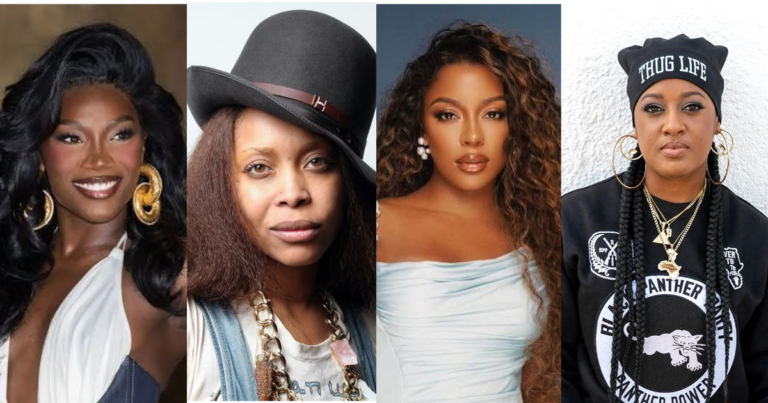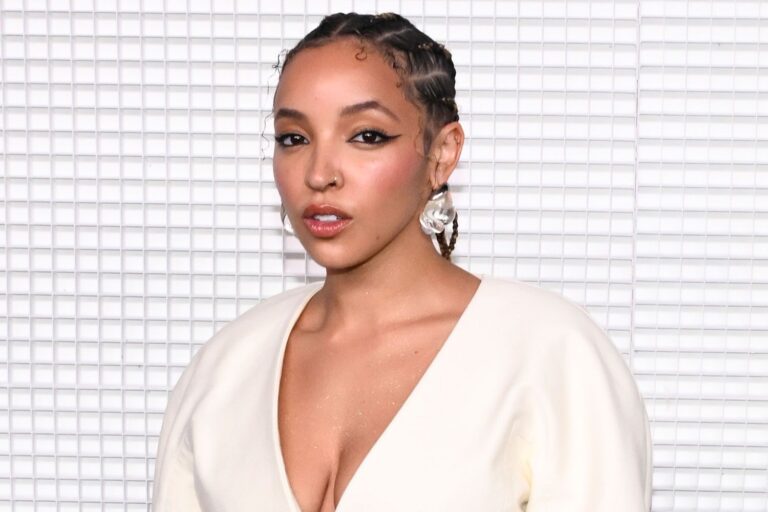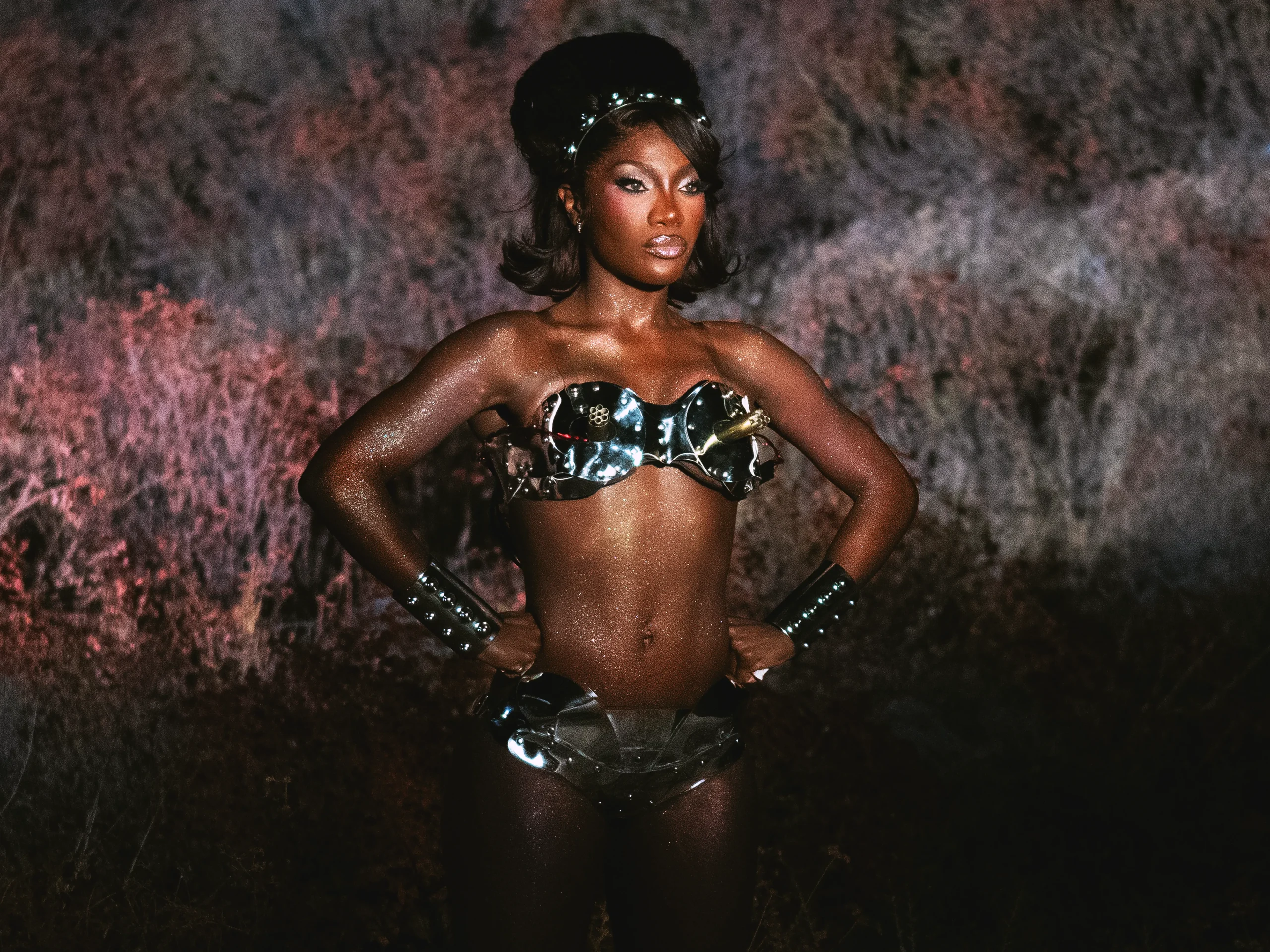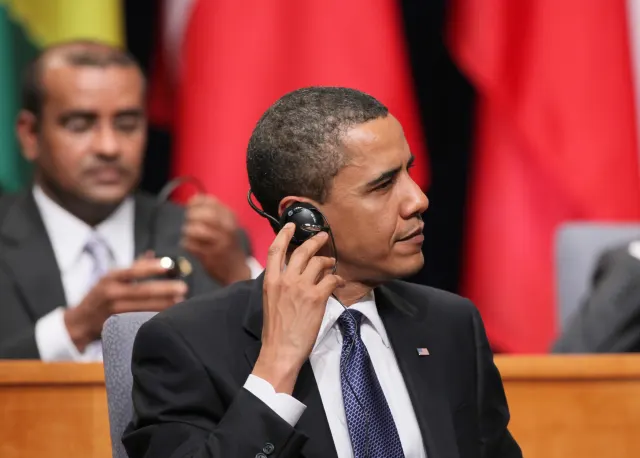
A summer playlist that puts Doechii and SZA near the top, then makes room for Luther Vandross, A Tribe Called Quest and Chaka Khan, does not stay in one lane for long. Barack Obama’s 46-song list, posted on July 30, 2026, also includes Kelela, October London, Vince Staples, Baby Rose, Tyla and Yebba. Its shifts are part of the appeal: the music comes from different moments and scenes, and the handoffs invite listeners to follow their curiosity.
That curiosity has a business dimension. Obama’s name can put a track in front of people who might never search for it themselves. U.S. recorded-music wholesale revenue reached $11.5 billion in 2025, according to the Recording Industry Association of America; streaming accounted for about $9.47 billion. Attention moves quickly in a market that large. The harder question is what an artist can earn from it and how long new listeners stay.
Here are some of the songs I’ve been listening to this summer. -Barack Obama
Obama called the playlist a collection of songs he had been listening to. That is all it claims to be. But the choices do say something about the breadth of his taste, and they give listeners a way into music that crosses the lines streaming platforms and record companies use to organise it.
Hearing the Connections
The Obama Foundation’s playlist begins with Glen Hansard’s “Song of Good Hope,” followed by Gabriel Jacoby’s “the one.” Doechii and SZA’s “girl, get up.” arrives third. Later, A Tribe Called Quest’s “Award Tour” is followed by BossMan Dlow’s “Motion Party.” Folk, rock, jazz, gospel, soul and hip-hop appear along the way. The playlist does not explain the choices; listeners get to make the connections themselves.
Kelela’s “idea 1” is one of those connections. R&B and electronic music have both shaped her work. On her 2026 album new avatar, guitars take on a larger role. In an interview with The FADER, she described writing as a process of finding meaning in sounds and phrases before the words arrive.
I am trying to insert something real into what feels like fantasy. -Kelela
The guitar on “idea 1” changes the texture, not the centre of the song. Her voice still carries the feeling. For someone who knows Kelela’s earlier R&B and electronic work, the track makes the new album’s direction easier to hear.
Older records make their own case. Chaka Khan’s “Ain’t Nobody,” Marvin Gaye’s “Let’s Get It On” and Sam & Dave’s “Hold On, I’m Comin’” are not grouped together as a history lesson. They turn up among contemporary songs because people still listen to them.
The Names to Keep In Rotation
Doechii and SZA share “girl, get up.”, but the song works because their styles do not blend into one. Doechii shifts between rap, melody and character. SZA can make a line sound like a passing thought, then turn the song in another direction. That exchange gives the collaboration its shape.
Doechii’s public profile grew further in 2025, when she became the third woman to win the Grammy for Best Rap Album, after Lauryn Hill and Cardi B. In her acceptance speech, she spoke to Black women watching and challenged stereotypes about skin tone, intelligence and being “too loud.” The Recording Academy published coverage of the ceremony and her remarks. The award marks a rare achievement in the category; it does not replace the listening experience of the music itself.
Baby Rose brings the energy down with “Friends Again,” featuring Leon Thomas. Her low voice keeps the song close and unhurried. That intimacy continues on her 2026 album YEARNALISM, which moves through love, longing and vulnerability. In a conversation about the album, Rose spoke about expressing care openly. “Friends Again” makes a natural first stop; the rest of the record stays with the same subject from different angles.
October London’s “Make Me Wanna” nods more directly to soul’s past. London has named Marvin Gaye as an influence on his singing and songwriting, and has also explored country music through the persona Sam Nash. He told Notion that he wants to honor the people who shaped him while telling his own story. That tension—inheritance and individuality—is audible across his work.
The rap selections make a quick turn. Vince Staples’ “White Flag” is spare and observant, with the dry delivery familiar to listeners of the California rapper. BossMan Dlow’s “Motion Party” is more immediate, built for a crowd and the momentum of a club. Their different approaches show how little one label can contain.
Then come Yebba and Tyla. “West Memphis” lets Yebba’s voice move from restraint to full power. Tyla’s “SHE DID IT AGAIN,” featuring Zara Larsson, carries a South African pop sound to an international audience. Neither track needs the other to make sense, but placed together they show how wide the playlist’s map is.
A burst of streams is only one outcome
Obama’s 2015 summer playlist brought Lianne La Havas and Aoife O’Donovan into the news. TIME interviewed both after their songs appeared. La Havas said she was “very, very honored”; O’Donovan said she was surprised to see her track on the list. The feature recorded their reactions, not a change in sales or income.
Low Cut Connie saw a more measurable effect. Spotify reported that streams of “Boozophilia” rose 18,813% in the week after the Philadelphia band appeared on Obama’s 2015 playlist. A 2017 Thrillist account said album sales did not rise at the same rate. Frontman Adam Weiner recalled that some people came to shows because of the Obama connection, but said the effect was limited.
Low Cut Connie is not a Black band, so its experience cannot tell us what this year’s artists will see. It does show why a stream count, on its own, tells an incomplete story. A listener may play one song and move on. Another may buy a ticket, follow the artist, or return to the album months later. Those outcomes carry different value.
RIAA’s $11.5 billion figure measures wholesale revenue across the U.S. recorded-music business; it does not tell us what individual performers took home. Streaming payments pass through rights holders and contracts. An artist who owns a master recording may keep a different share from someone working under a label deal or still recouping recording costs. A playlist cannot show those terms.
Black artists have shaped popular music for generations. The ownership and control of the business built around that work have often sat elsewhere. Discovery matters, but the terms of the deal influence how much of the value returns to an artist.
Listeners can take a track beyond the playlist: play the album, check who wrote and produced it, look for a live date or buy directly if that option is available. The playlist may introduce an artist; those choices help decide whether the introduction lasts.
Obama’s list is one person’s selection, not a final word on Black music. Its best use is simpler: it gives curious listeners a few doors to open. Follow Kelela’s guitar into new avatar. Stay with Baby Rose’s YEARNALISM. Hear how October London carries soul history into his own songs. Then find the next name that catches your ear.
FAQs
What Black artists appear on Obama’s 2026 summer playlist?
The list includes Doechii and SZA, Kelela, October London, Vince Staples, BossMan Dlow, Baby Rose with Leon Thomas, Tyla, Yebba, Chaka Khan, Luther Vandross, A Tribe Called Quest, Marvin Gaye, the Temptations, Anderson .Paak, Ledisi and others.
Which less familiar artist should I listen to first?
For contemporary soul, try Baby Rose’s “Friends Again.” Kelela’s “idea 1” moves between R&B and alternative-rock textures, while October London’s “Make Me Wanna” carries clear ties to earlier soul and R&B.
Does appearing on Obama’s playlist mean an artist will earn more?
A playlist may bring new listeners, but earnings depend on streams, ownership rights, contracts and other income, including touring. A placement alone does not show how much an artist makes.
What does Kelela’s “idea 1” reveal about her music?
It introduces the guitar-led direction of her 2026 album new avatar, adding alternative influences to the R&B and electronic sounds associated with her earlier work.
Why does the playlist include older Black artists?
Songs by Chaka Khan, Marvin Gaye, Sam & Dave and others show that older recordings remain part of how people listen now. Their presence gives the playlist more than one musical era.
Where can I listen to the full playlist?
The Obama Foundation lists the tracks and links to its 2026 summer playlist. Apple Music also has a 46-song edition titled Barack Obama’s Summer Songs 2026.