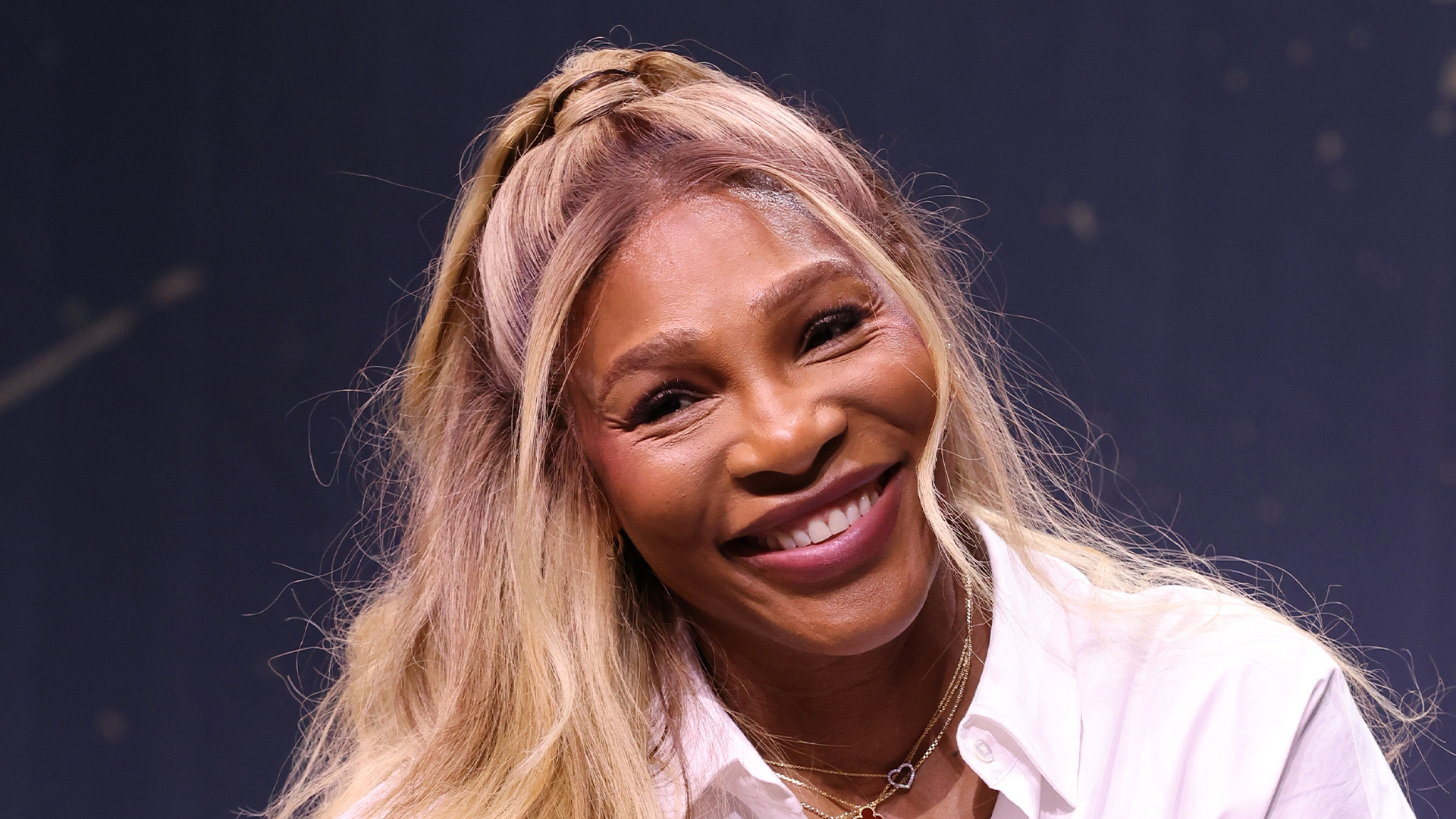
At Starfire Ventures’ launch on Nov. 16, Serena Williams and Beth Ferreira put a number on the plan: $200 million for the first fund. They expect to invest in 20 to 25 startups, mostly at seed and Series A. The partnership behind the new firm dates to 2015. Turning that relationship into an institution is the harder job.
Williams is the name that travels. Ferreira has years in venture investing and company-building. Starfire needs both, plus sound decisions, practical help for founders and a team that can keep the firm running as the partners’ roles change.
A Decade of Investing Together
Williams and Ferreira first backed a company together in 2015, investing in MasterClass’s seed round. Ferreira later advised Serena Ventures and joined the firm as a general partner in 2024. Their shared portfolio includes Ollie, acquired by Agrolimen in 2026, and Daily Harvest, acquired by Chobani in 2025, according to Starfire’s announcement.
Serena Ventures raised an $111 million inaugural fund in 2022 and backed more than 100 companies. It has made its last new investment. A team remains with the portfolio, and capital is reserved for follow-on rounds. Starfire begins a separate investment program.
Serena Ventures put Williams’s name on the door. Starfire gives the partnership a separate identity, with Williams still serving as managing partner. Investors and founders will learn what the new name means from the firm’s decisions and the way it works with them.
Williams described the aim in the launch announcement:
“With Starfire Ventures, we are building an investment platform designed to live beyond us.”
— Serena Williams
That requires investment judgment, relationships and operating knowledge to live inside the firm as roles change. Starfire’s roster lists both founders as managing partners, with staff covering finance, investing, operations and portfolio support.
What the Fund Plans to Back
Starfire plans to invest primarily at seed and Series A, with some later-stage opportunities. At those stages, founders are still proving that customers will pay, working out how to reach them and hiring senior employees. Investors can help with introductions and follow-on funding, though the company has to make the product work.
The partners plan to back 20 to 25 companies. Forbes reported intended checks of $1 million to $10 million, averaging about $5 million. A check of that size can buy a meaningful stake; board access and other rights depend on deal terms.
Starfire has named health and wellness, knowledge, financial management and experiences as interests. The list runs from financial tools to retail technology and live entertainment. The partners will have to show, deal by deal, what makes a company fit.
Town, an AI assistant, is one early investment. Forbes reported that Starfire joined a $108 million round valuing the company at $1 billion. The business still has to show that people will pay for the service and that it can reach them at a sustainable cost.
Help That Starts After the Check
Ferreira has worked in venture investing and technology businesses. Williams has built a global brand and commercial relationships across sports, business and entertainment. Starfire says it will use those connections to help portfolio companies find customers and partners.
Ferreira described the kind of investor founders need:
“Founders are looking for investors who understand their business and can be active partners as they build.”
— Beth Ferreira
For a founder, useful help might mean a first corporate customer, a reliable supplier or an experienced hire. Williams may be able to get that conversation started. The business still has to make something buyers want and return to.
Starfire’s published team roster lists Williams and Ferreira as managing partners, alongside a partner, CFO, investor, operations manager, chief of staff and portfolio-support lead. The roles place finance, investing, operations and portfolio support across the team.
Outside investors will look beyond the fund target. They need to understand how investment decisions are made, how portfolio risks are tracked and how the team reports what is working. Founders have their own test: who responds when a plan misses, and whether the firm stays engaged through the next round.
The real measure comes when a company misses a sales target or loses a key employee. Founders then need candid advice and useful introductions, not another congratulatory post. Starfire says it intends to offer that kind of support; its portfolio companies will be able to judge the work firsthand.
Serena Williams as a Capital Allocator
Williams’s role now includes deciding which companies receive investment. An endorsement pays an athlete to lend a name or audience to a product. Venture investing gives her an ownership stake and a share of the company’s risks and potential gains. It also puts her in the room where a founder’s request for capital is considered.
Venture money can pay for product development, hiring and customer acquisition; it also dilutes ownership and gives investors a share of future returns. Carta’s 2024 report found that companies with Black and African founders received 0.6% of priced-round funding among companies on its platform, down from 1.8% in 2022. The report covers Carta’s dataset, not the whole U.S. market.
Williams has said Starfire aims to broaden access to capital and let more people share in company ownership. The portfolio will show how the firm acts on that goal. Which founders receive checks? Does the firm stay involved as they hire, sell and raise follow-on money? Those choices will matter more than a mission statement.
Founders should ask what the investment costs them. Venture capital brings dilution and growth expectations. Deal terms determine voting rights; later rounds can reduce early ownership. A founder needs to know whether the check and promised support fit the company’s plans.
Building Beyond the Founders
Starfire has outlined its target, investment stages, check sizes and focus areas. The test of discipline comes when a tempting deal falls outside those limits, or when an existing investment needs more money and the partners must decide whether to continue.
The partners have a decade of shared investing behind them. Ferreira became a general partner at Serena Ventures in 2024; at Starfire, both women are managing partners. The team has people responsible for finance, operations and portfolio support. For the firm to outlast its founders, investment standards and founder relationships must become part of its daily work.
The work shows up in ordinary outcomes. Founders need straight answers; investors expect careful updates. The firm must decide when another check makes sense and when it does not. Each choice adds to or spends credibility. An exit may bring attention, but trust is built over time.
Williams has spent much of her career performing in front of a crowd. The venture work is quieter: reviewing companies, meeting founders and deciding where capital goes. For Starfire, longevity will show in the companies it backs and the team that keeps showing up after the first check.
FAQs
What is Starfire Ventures?
Starfire Ventures is a New York venture capital firm founded by Serena Williams and Beth Ferreira in 2026. It plans to invest mainly in seed and Series A companies, with selective later-stage investments in technology-enabled and AI-native businesses. Its team includes investment, finance and portfolio-support roles.
How much does Starfire Ventures plan to raise?
The firm is seeking $200 million for its first fund. Williams and Ferreira plan to invest in 20 to 25 startups, with reported checks ranging from $1 million to $10 million and an average around $5 million. Those figures describe the plan, not completed investments.
What sectors interest Starfire Ventures?
Starfire has named health and wellness, knowledge, financial management and experiences as areas of interest. It is looking for technology-enabled and AI-native businesses addressing problems the partners consider underserved. The firm also cites affordability and access as part of its focus.
What happened to Serena Ventures?
Serena Ventures raised an $111 million inaugural fund in 2022 and backed more than 100 companies. It has made its last new investment, while a team continues to support the existing portfolio and manage capital reserved for follow-on investments. Starfire is the next investment program.
How does Williams support startups beyond investing?
Williams brings business relationships, visibility and experience building a global brand. She has also mentored founders through Reckitt Catalyst. Her network can help companies reach partners, though each business still has to deliver value to customers. That support complements the company’s own sales work.