In a 2016 Vogue profile, LIHA co-founder Liha Okunniwa described how the brand’s Gold Shea Butter was made: the nuts were mashed and kneaded by hand over two weeks. The product went on to reach premium retailers in Britain, including Space NK and Sephora UK. By 2026, however, the UK company trading as LIHA Beauty had entered creditors’ voluntary liquidation.
LIHA paired a labor-intensive supply story with recognizable product design and premium retail. That combination helped the brand stand out, but the path from village ingredient to stocked product carried real operating costs.
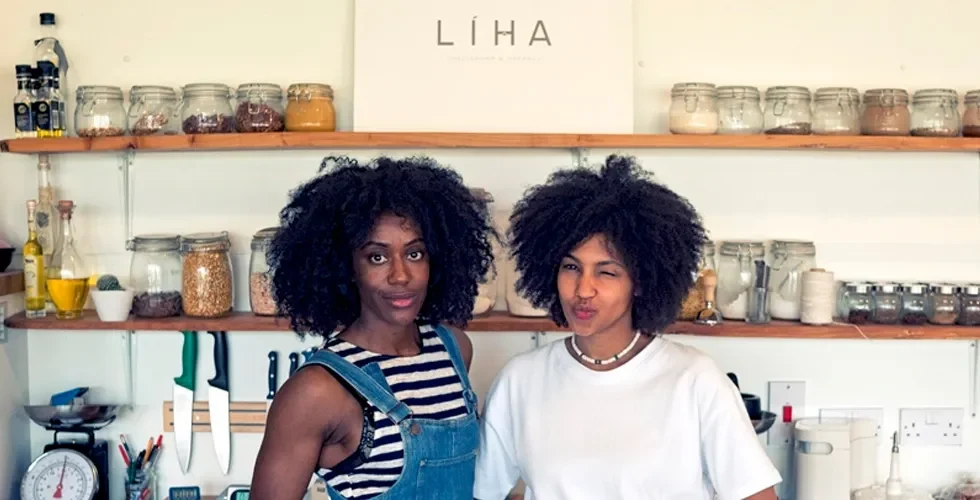
Okunniwa and Abi Oyepitan met at Brunel University in 1998. She later worked in art publishing; Oyepitan competed as an Olympic sprinter. They kept talking about hair and skincare. When Oyepitan traveled to Nigeria, she brought back Gold Shea. Okunniwa had learned to make preparations at home from her English aromatherapist mother.
They started with two products: shea butter and Idan Oil, a coconut oil blend infused with tuberose. In an interview republished by LIHA, Oyepitan recalled that friends kept taking the oil from their shelves and asking to buy it. The founders brought their products to a four-day festival. By the third day, the products and workshops had sold out.
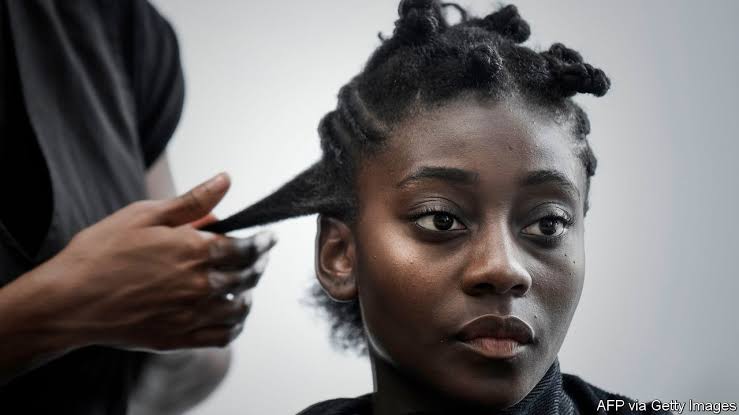
The nut itself looks like a conker and is mashed up and kneaded by hand over a course of two weeks in the village.
— Liha Okunniwa
The two-week process is part of the product’s origin. It is also a supply-chain constraint. A brand has to carry that work through sourcing, formulation, packaging and delivery without losing consistency or pricing itself out of the market.
Turning Heritage Into a Product Range
LIHA’s first products combined West African botanicals and Yoruba references with English aromatherapy. The founders gave the products Yoruba names: Idan means “magic”; Ose Gidi is the brand’s black soap. Their packaging and restrained visual identity gave the mix of influences a recognizable look.
They did not pursue a constant stream of launches. In a 2018 interview with 91 Magazine, the founders described their products as multipurpose and said they wanted customers to “buy less, and choose well.” Workshops let people smell, touch and try the products before they encountered LIHA in a shop.
The founders’ 2024 account dates their kitchen experiments to 2014 and says LIHA became official in 2018. The years between those dates were not a finished business sitting on a shelf. They were product development, informal feedback and learning what customers would buy. Moving beyond festivals then required more production capacity and formal operations.
Familiar ingredients and rituals, presented in a modern luxury format, gave LIHA a point of difference with diaspora shoppers. Product texture, scent and performance still had to justify the price.
Who Benefits From the Shea Trade?
LIHA says its Gold Shea comes from Nigeria and its Ivory Shea from Ghana, and that it works with women’s cooperatives. In the 2018 interview, Okunniwa said the Nigerian shea came from Oyepitan’s father’s town and the Ghanaian source was a cooperative. Those details give the brand’s sourcing story a place and a relationship. LIHA says the butters differ in texture and scent, giving customers options for different needs and preferences.
The wider shea economy is more complicated than a label can show. A World Bank review of the value chain describes women as the main collectors and processors, with fewer women in downstream trade and export. The ingredient travels through collection, processing, aggregation, export, formulation and retail. Each stage adds work and cost; the final price also pays for packaging, freight, marketing and the retailer’s margin.
LIHA lists its 120-milliliter Gold Shea Butter at £25 and Idan Oil at £42. Those shelf prices cover more than the raw ingredient: product design, formulation, packaging, freight, marketing and retailer margin. The brand can capture value through its formulas and access to customers; exporters, manufacturers and retailers also shape where the money goes.
In a 2020 interview, the founders said they hoped to help African suppliers obtain certifications and expand their businesses. They also wanted the capacity to grow more ingredients themselves. Those were plans, not completed milestones. In a 2024 interview, they described a long-term ambition to turn trade routes historically used for oil and mining into routes for natural wellness ingredients.
For Black American founders building ingredient-led brands, LIHA’s experience points to the unglamorous work behind provenance: testing, documentation, export logistics, customs and enough inventory to meet orders. A supplier relationship that works at kitchen scale may need new agreements and working capital when a retailer wants consistent stock.
From Personal Savings to Retail and Private Equity
Okunniwa said she and Oyepitan each put in £3,000, starting in their kitchens before moving into small studios. Their funding then came in stages. In 2018, they secured £200,000 in SEIS funding through Virgin StartUp’s CrowdBoost program and took a separate £10,000 Start Up Loan, according to their funding case study. They had planned a crowdfunding campaign, but investors backed them during a mock interview. The loan differed from equity.
“Abi Oyepitan and I started this business on £3k of savings each, in our kitchens.”
— Liha Okunniwa
In October 2023, Okunniwa announced a £1 million private-equity round. BeautyMatter reported that it brought the company’s total funds raised to £1.2 million. The planned uses were hiring, marketing and wholesale growth. The round was substantial next to the founders’ original savings, but it did not equal annual revenue or a company valuation.
By 2023, Vogue listed LIHA at Sephora UK, Net-a-Porter and Space NK. Stockists gave the brand a route to customers beyond its own website. They also brought wholesale prices, replenishment demands and inventory planning. The direct price of a product is not the amount a brand keeps when a retailer is involved.
For a small beauty company, wholesale can create a timing problem: production bills may arrive before retail payments, and slow-moving stock keeps cash tied up.
LIHA’s site lists U.S. shipping with duties and taxes included at checkout. Direct sales make the British brand available to American customers, but the company still has to manage international delivery and customer service. The diaspora can be a market; it cannot erase shipping costs or the work of reaching buyers.
Tristan Walker’s fundraising path offers a U.S. comparison. Both cases show how a founder’s understanding of a specific customer can create a strong product proposition. Turning that knowledge into wider distribution takes capital and infrastructure.
The Company’s Insolvency
The UK Gazette records that Oyepitan and Okunniwa Limited, trading as LIHA Beauty, entered administration on September 9, 2025. Companies House records that the company moved to creditors’ voluntary liquidation on April 22, 2026.
LIHA’s website still lists products, and its FAQ says some lines have been retired or will not return after current stock sells out. The product catalogue and the legal filing describe different things: the site displays the brand’s offerings; the filing records the status of the UK company that traded under its name.
The company had built a visible identity, attracted investment and secured premium stockists. Those milestones did not keep the operating company out of insolvency.
LIHA made West African ingredients visible on luxury shelves without erasing its Nigerian and British roots. That cultural distinction matters, as the U.S. path of Richelieu Dennis and SheaMoisture also shows. Yet neither a strong story nor a retailer’s name can pay suppliers or cover unsold stock on its own. The company still has to manage cash, ownership, contracts and product quality.
Frequently AQs
Who Founded LIHA Beauty?
LIHA Beauty was co-founded by Liha Okunniwa and Abi Oyepitan, friends who met at Brunel University in 1998. Okunniwa worked in art publishing and Oyepitan competed as an Olympic sprinter. They began making products in their kitchens before LIHA became official in 2018.
What Ingredients Is LIHA Beauty Known For?
The brand is known for shea butter sourced from Nigeria and Ghana, Idan Oil made with coconut oil and tuberose, and Ose Gidi black soap. Its range combines West African botanical traditions with English aromatherapy. Products are designed for multiple uses.
How Did LIHA Beauty Raise Money?
The founders began with personal savings. They secured £200,000 in SEIS funding and a £10,000 Start Up Loan in 2018, then announced a £1 million private-equity round in 2023. Trade reporting put total funds raised at £1.2 million.
Is LIHA Beauty Available in the United States?
LIHA’s website lists U.S. shipping with duties and taxes included at checkout. Its FAQ estimates U.S. delivery at five to seven working days. The company that traded as LIHA Beauty entered creditors’ voluntary liquidation in April 2026.
What Happened to LIHA Beauty’s Operating Company?
Oyepitan and Okunniwa Limited, LIHA Beauty’s UK operating company, entered administration on September 9, 2025. The Gazette names Paul Ellison and Chris Errington as administrators. Companies House records that it moved to creditors’ voluntary liquidation on April 22, 2026.
What Can Beauty Founders Learn From LIHA?
A clear cultural point of view can help a product stand out, but growth also requires dependable sourcing, working capital, inventory control and retail access. Founders should model direct and wholesale margins separately and plan for the time between paying for production and receiving customer or retailer payments.