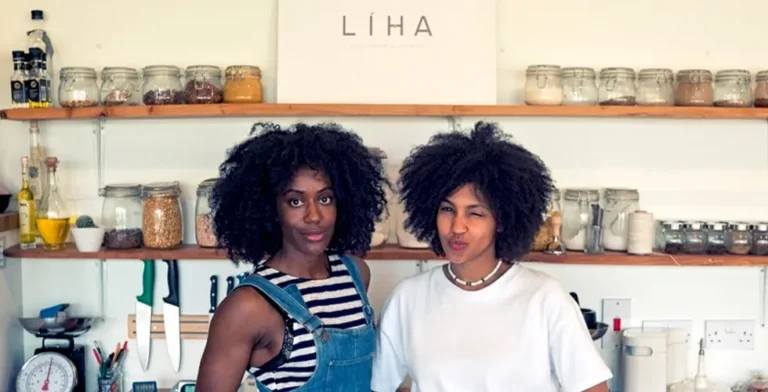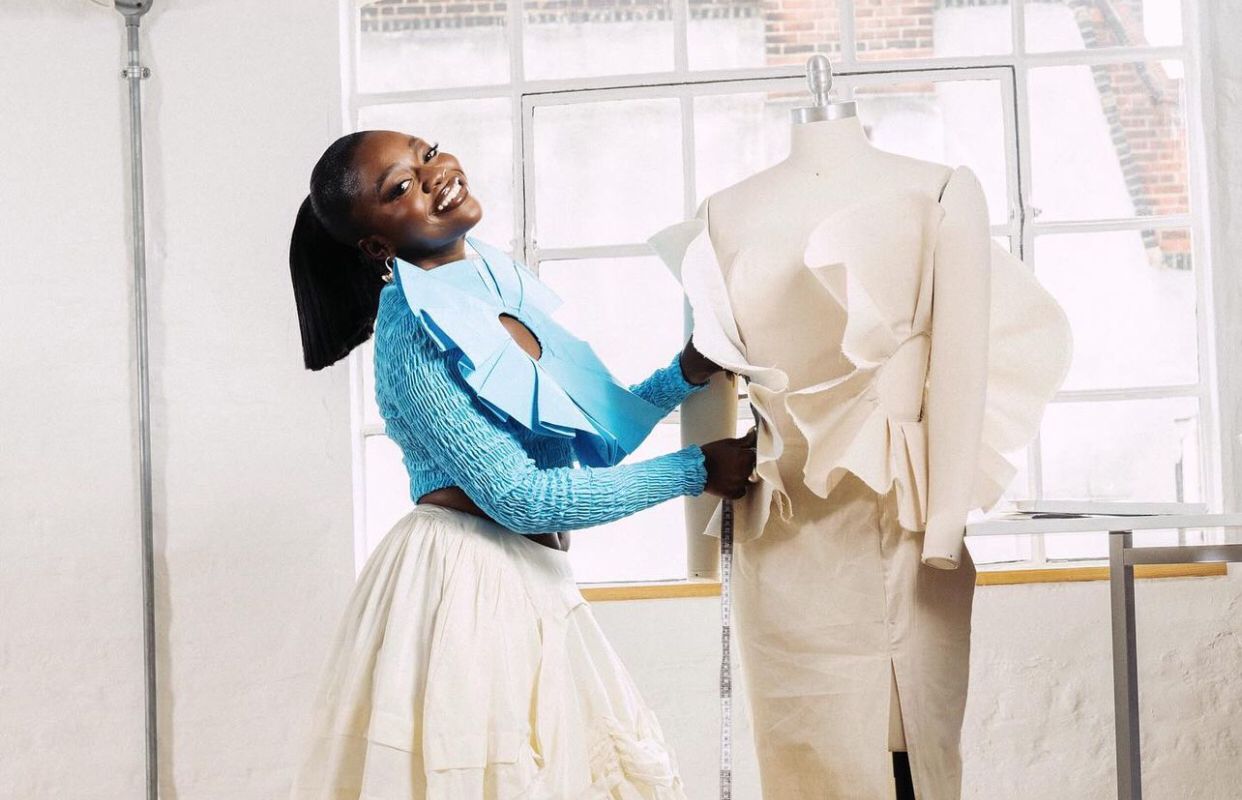
In January 2020, Fisayo Longe wore a dress she had designed to an event and posted a photograph of it on Instagram. Followers wanted to know where they could buy it. The dress, later named Gaia, combined sheer mesh with a vivid print. Its launch was delayed as COVID-19 disrupted manufacturing in Asia. When KAI Collective released it that April, it sold out almost immediately, according to a 2021 Forbes profile.
Gaia became KAI’s signature piece. It also helped shift the fortunes of a business that had opened four years earlier with an £8,000 loan from Longe’s mother. In a January 2025 interview, Longe said the company had generated £6 million in revenue since launching in 2016. Asked about 2024, she said revenue had passed £2 million year to date.
The numbers tell part of the story. The rest is in the gap between Longe’s first collection and the customers she hoped would buy it, and in how she responded when they didn’t.
The First Collection Found Few Buyers
Longe started Mirror Me, a fashion and travel blog, in 2012. When she travelled, she looked for fabrics and had clothes made for herself. She wore them in blog posts and on Instagram. People asked where she had found the outfits.
She took those questions as a sign there might be a market. In 2016, she launched KAI Collective, using the family loan to get the business started. The company had about 40,000 Instagram followers when it opened for orders, Longe said in the 2025 interview. It received 23 orders at launch. In the first year, it made £1,000 in revenue.
“We’ve done 6 million since launch, but most of that has been in recent years.”
— Fisayo Longe
Longe later said she had not done enough to test the original idea. The clothes she liked making were not yet giving customers a compelling reason to buy. So she began asking questions on Instagram Stories: what did people like, what did they want, and what could KAI do better? In a separate interview, she described that shift as a turning point in how she used the platform.
The distinction mattered. Followers had shown interest in Longe’s personal style, but their attention did not automatically transfer to a new label. The business had to earn the sale on its own terms.
KAI’s website traces the idea to Longe’s habit of sourcing fabric and designing outfits for herself. It says her community’s questions revealed interest in statement pieces that felt luxurious without compromising quality. That is the company’s own description of its market. The first-year sales figures show how much work remained between the concept and a repeatable offer.
Gaia Gave KAI a Recognisable Signature
The Gaia print was made in collaboration with Adebusola of Grapes Pattern Bank. According to KAI, its contours draw on the movement of the ocean and the textures of the earth. The dress’s sheer fabric and close silhouette were designed to celebrate the body.
Customers responded to the combination. The print was distinctive in a photograph; the dress made the design itself the focus. Longe has described KAI’s clothes as “very main character clothing.” That sense of visibility became part of the label’s appeal, especially on social media, where images of Gaia could be recognised and shared.
In the year Gaia launched, the brand made £400,000 in revenue, Longe said in the 2025 interview. Gaia accounted for £200,000 of that total. One product, then, represented half the company’s reported revenue for the year.
That concentration can be powerful, and precarious. A best-selling design can bring new customers quickly, but it can also leave a company exposed if demand fades or production falters. KAI continued developing prints and silhouettes rather than treating Gaia as a one-off. Its website calls the print a defining part of the brand’s identity and says it has appeared in Vogue Netherlands, the Evening Standard and Elle UK.
Instagram Was a Sales Channel and a Listening Post
KAI’s social media work did not stop at posting product photographs. It let the company introduce collections, show the clothes in motion and ask customers what they thought. Longe said in a 2025 conversation with Nicola Mendelsohn that Instagram had been invaluable because KAI did not have much money for traditional marketing. Content and storytelling helped the brand reach customers without a large paid media budget.
Organic reach still takes work. Shoots, campaign concepts and the people who make them happen cost money. In the January 2025 interview, Longe said KAI spent on media and creative production but kept recurring overheads low.
KAI also sold directly to customers through its online store. That meant the company could present the clothes and take orders without depending on a retail buyer to stock them first. The direct route helped KAI reach customers in different countries, but it left the company responsible for the details that come after a purchase: managing stock, shipping orders, processing returns and answering customer questions.
By January 2025, Longe said the United States represented 40% of sales and the United Kingdom 30%. The U.S. was KAI’s largest national market, according to her interview. In 2024 the brand held a two-day sample sale in New York, giving customers there a chance to shop in person.
A U.S. customer could first encounter the label in an Instagram post and place an order online without KAI needing a permanent shop in the country. That offered reach without the expense of a chain of stores, though cross-border orders brought their own demands around delivery, duties, returns and stock.
For a Black American audience, KAI’s U.S. sales share is notable because the company began with a British-Nigerian founder’s blog and online community. The brand found customers across the Atlantic before establishing a permanent retail footprint there. The New York sample sale was a completed event; Longe’s interest in investing more in the U.S., discussed in the same interview, was a plan for growth.
Keeping Ownership Meant Growing Carefully
Longe funded KAI first with a loan from her mother. In a 2021 Forbes profile, she said she had not taken outside funding and owned 100% of the company at that point. Forbes described KAI as a direct-to-consumer e-commerce business.
“I wanted to build something that would show Nigerian women that we can actually prioritize making money, not just relying on a man.”
— Fisayo Longe
The quote connects ownership to the purpose Longe gave the business. Retaining the company meant she kept control over its direction, as well as responsibility for financing its next steps. By 2025, she described KAI as bootstrapped and said she wanted to keep the team lean and avoid spending more than the business needed. The interview listed five full-time employees and a plan to add two in January.
Bootstrapping did not prevent supply-chain problems. Forbes reported that KAI had been manufacturing in Guangzhou, China, before COVID-19 disrupted operations there. The company moved much of its manufacturing to Turkey. At the same time, attention to Black-owned businesses grew, bringing KAI more visibility just as the brand had to adjust its production arrangements.
Reading the Revenue Figures
The £6 million figure is cumulative revenue since KAI’s launch in 2016, as Longe reported in January 2025. It is not a valuation or a profit figure. Her “over £2 million” answer refers to 2024 revenue year to date at the time of the interview, not a final annual result. Gaia’s reported £200,000 contribution and the first-year £1,000 revenue show how sharply the business’s sales changed over time.
KAI did not move from an online following to a successful label in one step. Its first collection drew few orders. The company adjusted after hearing from customers. Gaia gave the label a product that people could identify and talk about. Then supply interruptions forced the company to move manufacturing, even as attention and orders grew.
Today, the reported figures make the business look very different from its first year. The decisions behind them were practical: seek customer feedback, make products that look and feel distinct, preserve control over the company and keep costs and hiring within the limits of a bootstrapped operation. Longe’s initial loan got KAI started. The company had to find its customers, and its design, before it could grow.
Frequently Asked Questions
How Did Fisayo Longe Start KAI Collective?
Longe founded KAI Collective in 2016 after building an audience through her fashion and travel blog, Mirror Me. She started the business with an £8,000 loan from her mother and initially sold a small clothing collection.
How Much Revenue Has KAI Collective Generated?
In a January 2025 interview, Longe said KAI had generated £6 million in cumulative revenue since its 2016 launch. She also reported more than £2 million in 2024 year-to-date revenue at the time of the interview.
Why Was the Gaia Dress Important to KAI Collective?
Gaia combined a distinctive print, sheer mesh and a body-conscious silhouette. Longe said the dress generated £200,000 in its launch year, accounting for half of KAI’s reported £400,000 revenue that year.
What Share of KAI Collective’s Sales Came From the United States?
Longe said in the January 2025 interview that the United States represented 40% of sales and the United Kingdom 30%. The figures describe the sales mix she reported at that time.
Did KAI Collective Take Outside Investment?
In a 2021 Forbes profile, Longe said she had taken no outside funding and owned 100% of KAI Collective. In a later interview, she described the company as bootstrapped.
How Did KAI Collective Reach Customers Beyond the UK?
KAI used social media to introduce products and build interest, then sold directly through its online store. Longe also reported a two-day sample sale in New York in 2024, an in-person event in the brand’s largest reported market.