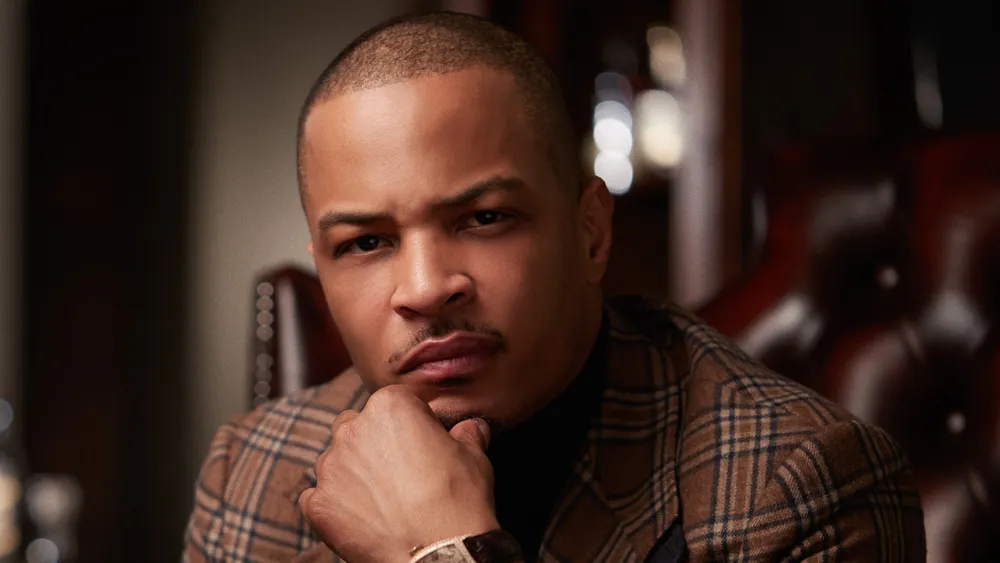
By 2026, Clifford “T.I.” Harris Jr. had spent over two decades dictating the terms of Southern hip-hop. The industry playbook for a 45-year-old rap icon is predictable: a nostalgic legacy tour, a few high-profile festival appearances, and a slow, profitable fade into elder statesman status. The market expected him to milk the “King of the South” persona until the demand dried up.
Walking away from the primary revenue engine of his brand at the peak of his cultural relevance. Retiring from the studio meant voluntarily surrendering the immediate cash flows of touring, new music hype, and the relentless grind that built his fortune. If his second act failed, he risked being labeled “washed” while carrying the massive overhead of his existing ventures.
T.I. didn’t just retire; he structured a corporate exit. He dropped Kill the King, an 18-track double album serving as a transparent, structured farewell. Simultaneously, he executed a three-pronged pivot: he signed a massive global publishing agreement to monetize his entire legacy catalog upfront, launched “The King Succession Tour” to formally pass the artistic baton to his sons, and immediately deployed capital into a national stand-up comedy tour and a new independent comedy media venture, “In The Trap.”
He successfully decoupled his personal wealth from his physical ability to perform. By liquidating his musical IP at peak valuation and redirecting his cultural capital into structured equity and new media verticals, T.I. secured generational wealth on his own terms, transforming from a touring artist into a diversified media holding company.
The Harris Playbook: Monetize, Build, Own
Rule 1: Monetize the Legacy, Don’t Just Perform It
Own your intellectual property and sell the rights when the valuation peaks, rather than bleeding out on the road trying to squeeze out marginal touring revenue.
“Hip-hop is driven entirely by ‘I’ and ‘me,’ whereas my current stage in life values inner peace and family over chart placement.” – T.I Harris Jr.
Immediately following the release of his final album, T.I. didn’t announce a grueling 100-city tour. He signed a landmark worldwide publishing agreement with Reservoir Media. The deal encompassed his entire catalog, from his 2001 debut I’m Serious through his multi-platinum run (Trap Muzik, Urban Legend, King). Driven by 14 million worldwide album sales and 8 billion+ Spotify streams, industry metrics valued the long-term publishing rights of this catalog at an estimated $52 million. He traded future uncertainty for a massive, immediate, tax-advantaged capital event.
Rule 2: Build Infrastructure, Not Just Brands
Translate fleeting cultural capital into physical, cash-flowing assets that outlive internet trends and algorithm shifts.
“A King Of Oneself” is the literal translation of his A.K.O.O. clothing brand philosophy.
While peers relied on volatile, drop-based online merchandise, T.I. bypassed the digital hype cycle. He secured national physical distribution agreements for A.K.O.O. with major department store chains like Dillard’s. He doubled down on Atlanta’s cultural tourism by opening The Trap Music Museum, a permanent establishment generating million-dollar annual cash flows through ticket sales, corporate rentals, and a highly rated escape room. He even partnered with Killer Mike to acquire and scale the historic Bankhead Seafood restaurant into a fleet of food trucks and brick-and-mortar storefronts.
Rule 3: Control the Platform or Build Your Own
If existing gatekeepers refuse to serve your niche, build the infrastructure to serve them yourself. Never rely on a landlord for your audience.
On his frustration with the comedy industry’s gatekeeping TI said,
“There’s a lack of platforms for comics who haven’t reached a major Netflix deal.”
Transitioning to stand-up comedy wasn’t just a hobby; it was a market identification. Frustrated by the traditional comedy club pipeline, T.I. is applying his Grand Hustle executive blueprint to the comedy market. He is preparing “In The Trap,” a new comedy media venture designed to mirror the cultural impact of Def Comedy Jam or Comic View, providing independent visibility and distribution for rising comedic talent who are locked out of mainstream streaming deals.
The Atlanta Orbit: Who Funds The Second Act
Cultural relevance doesn’t pay the IRS, and nostalgia doesn’t build generational wealth. Behind the platinum records, cinematic bravado, and viral moments lies a ruthless financial architecture that most artists never construct. While others were chasing the next hit, T.I. was in boardrooms negotiating nine-figure IP deals and zoning approvals. This isn’t just a celebrity pivot; it’s a masterclass in strategic capital deployment. Here is who funds the second act and why they are betting on a former rapper turned media mogul.
The Capital Arsenal:
- Reservoir Media: The institutional backing that provided the ~$52 million liquidity event for his catalog, validating his IP as a blue-chip asset class.
- Atlantic Records: His historical joint-venture partner since 2003, providing the foundational infrastructure that allowed Grand Hustle Records to incubate talent like Travis Scott, Meek Mill, and B.o.B.
- Local Atlanta Government & Community Development Funds: Strategic partnerships that provide grants, zoning approvals, and tax incentives for his hyper-local real estate initiatives.
The Protégés:
- The Grand Hustle Alumni: A network of now-established artists (Travis Scott, B.o.B.) who owe their initial breakthrough to his incubator model, creating a reciprocal network of industry favors and collaborations.
- Domani and King Harris: His sons, who are the direct beneficiaries of “The King Succession Tour,” being groomed not just as artists, but as the next generation of the Harris family business.
The Unfair Advantage:
- Deep Civic Integration: Through his “Buy The Block” initiative and the development of 143 affordable housing units in the Center Hill neighborhood, T.I. has transcended “celebrity” status to become a legitimate community stakeholder. This grants him political access, community goodwill, and regulatory leverage that outsider private equity firms simply cannot buy.
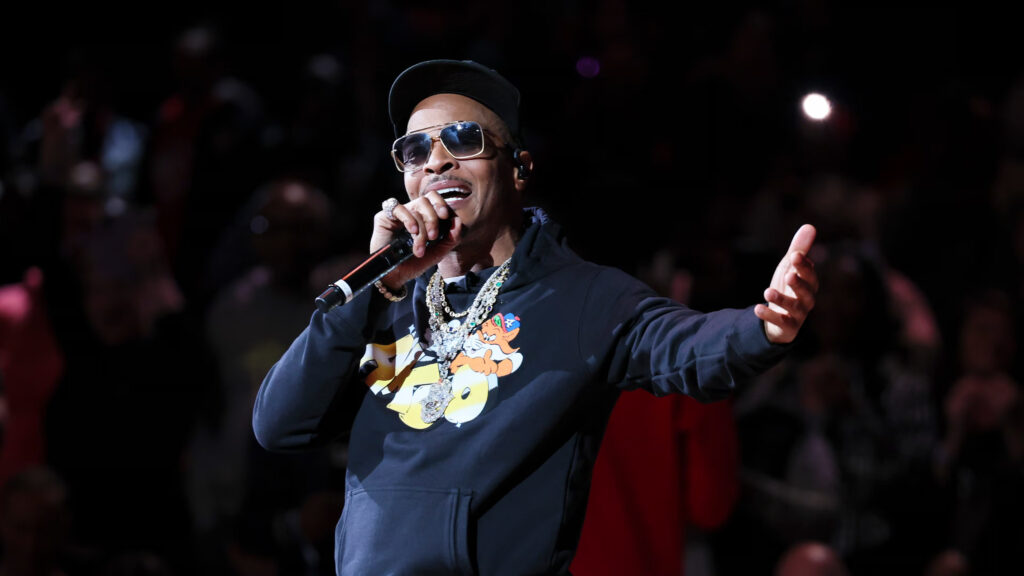
The $6.2M Wake-Up Call: How the IRS Shattered an Empire
Despite massive gross revenue from music, tours, and ventures, T.I. was repeatedly hit with rolling federal tax liens that peaked at an accumulated debt of $6.2 million. This vulnerability was starkly highlighted when a late $2 million federal lien was filed right before his landmark $71 million court victory against MGA Entertainment.
Why It Hurt: The IRS liens threatened to freeze assets, damage his credit, and derail his business operations. It exposed a critical flaw in his early career: generating high-velocity cash flow without the corresponding tax structuring and asset protection to shield it.
The Hard-Won Lessons: T.I. extracted two specific rules that fundamentally changed his financial architecture:
- Gross Revenue is Vanity; Net Equity is Sanity. He learned to systematically dismantle these debts (including a $1 million lump-sum payment) and shifted his focus from volatile, high-tax cash flows (like touring) to structured, defensible asset classes (publishing rights, real estate, IP judgments) that offer better tax advantages and legal shielding.
- Aggressively Defend Your IP. The grueling legal battle against MGA Entertainment over the “O.M.G. Dolls” (which infringed on the OMG Girlz pop group he and Tiny created) resulted in a staggering $71 million federal jury verdict. This victory proved that fiercely protecting intellectual property isn’t just a legal formality; it is a massive, defendable revenue stream.
Your Playbook: Steal the “Ego Death” Pivot
Don’t wait for your core business to decline before building the next one. Most founders and creators hold onto their “crown” until the market forces them off. T.I. chose to kill the king himself. Implement this three-step succession audit:
- Identify Your “Ego Asset”: What is the thing that made you famous or successful, but now exhausts you? (For T.I., it was hopping around and sweating on stage). Acknowledge that holding onto it out of pride is a liability, not an asset.
- Package and Liquidate the IP: Before you walk away, extract the maximum value from your legacy. Can you sell the catalog, license the brand, or franchise the system? Do this while your valuation is still high, not after you’ve checked out mentally.
- Redeploy into “Boring” Control: Take the capital from that liquidation and invest it into a vertical where you have structural control and predictable cash flow. For T.I., this meant moving from the chaotic rap industry to brick-and-mortar museums, real estate, and building his own comedy media platform.
Look at your primary revenue stream. If it disappeared tomorrow, what intellectual property, processes, or brand equity could you package and sell? Draft a one-page “Succession Plan” detailing how you would extract that value and where you would redeploy it within the next 24 months.
By the Numbers: The Wealth Transition Waterfall
Numbers don’t lie, and the metrics behind T.I.’s transition tell a story that defies the typical “broke rapper” narrative. These figures represent something rarer: proof that a hip-hop icon can successfully migrate from volatile performance income to structured, institutional-grade equity. The data below reveals how cultural dominance, when properly financialized, outperforms the traditional music industry model.
The Liquidity Event:
- Reservoir Media Catalog Deal: ~$52 million estimated valuation (spanning I’m Serious to King, backed by 14M album sales and 8B+ Spotify streams).
- MGA Entertainment IP Judgment: $71 million federal jury verdict for infringement of the OMG Girlz likeness and intellectual property.
The Cash-Flow Engine:
- The Trap Music Museum: Million-dollar annual cash flows via high-volume ticket sales, corporate event rentals, merchandise, and escape room experiences.
- A.K.O.O. Clothing: National physical distribution agreements with major chains (e.g., Dillard’s), bypassing volatile online drop-culture.
- “Buy The Block” Initiative: Millions injected into Atlanta’s Center Hill neighborhood, including the development of 143 affordable housing units in multi-use complexes.
The Liability Cleanup:
- Historical Federal Tax Liens: Peaked at $6.2 million in accumulated debt.
- Resolution: Systematically dismantled via strategic payments (including a $1 million lump sum) and restructuring ahead of the $71M court victory, proving a shift toward aggressive tax and liability management.
T.I. didn’t end his career with Kill the King. He merely liquidated his musical assets at peak valuation to fund a diversified, multi-million dollar corporate and creative second act, proving that the ultimate flex isn’t staying on the throne—it’s owning the building the throne sits in.