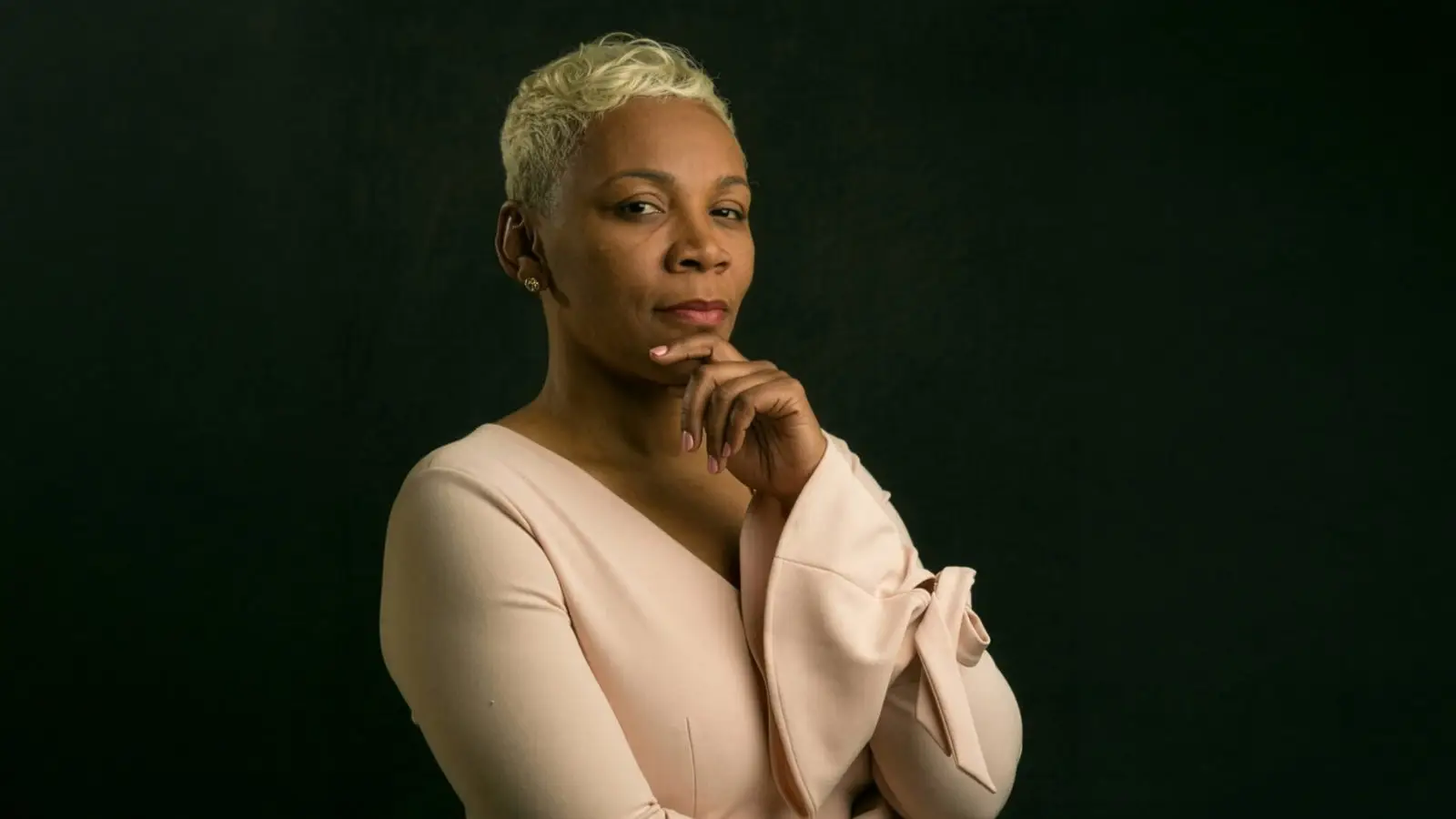
When entrepreneur Nagela Duperval entered the restaurant business, she imagined a path to financial freedom and cultural influence. Instead, her journey tested her resilience, strained personal relationships, and changed her understanding of entrepreneurship in a tough economy.
Her honest reflections, shared at the How I Got Here (HIGH) small-business summit and reported by Black Enterprise, offer a valuable narrative for anyone thinking about the expensive gamble of opening a restaurant.
From Real Estate to Restaurant Dreams
Duperval’s story starts long before OU LA Restaurant & Bar opened in Carteret, New Jersey. She is a Haitian immigrant who found early success in real estate investing. Running a restaurant was not her original plan until timing and opportunity met her ambition. “I went into the restaurant business thinking, ‘Oh, we going to make money,’ right? So I promised people these high returns, these cr*zy returns,” she admitted, according to reports. Those words now serve as both a hopeful goal and a warning.
That early enthusiasm helped her secure a prime location with a valuable liquor license and a year of free rent. But the realities of restaurant financing soon became apparent. Loans that seemed easy to get turned out to be hard. The federal Small Business Administration (SBA) loans she sought were out of reach without collateral she didn’t fully understand. “They don’t tell you that if you have investors giving you money, they need to see their bank account,” she confessed.
The Financial Strain That Tested Limits
Duperval’s honest comments highlight how ambition can quickly outpace readiness. After selling investment properties and personal belongings to fund construction and committing to a three-year build without guaranteed financing, she found herself borrowing repeatedly. “I was just taking, taking, taking … wherever I could get it,” she described her strategy during construction, painfully recognizing loans from friends and acquaintances that she had hoped to repay quickly.
When OU LA finally opened, the financial strain did not lighten. Payroll alone often exceeded weekly revenue, with overhead sometimes surpassing income. “The week that I didn’t make enough money to cover payroll, how was I going to pay my staff?” she asked. Vendors started demanding cash on delivery and eventually refused service. Duperval had to use her corporate paycheck to meet business obligations, even delaying her personal bills to keep essential operations running.
Lost Friendships and Hard Lessons
Duperval’s most poignant revelations concerned the personal costs of her financial commitments. In her sincere effort to fulfill promises, she fell behind on repaying those who trusted her. “I lost relationships because I can’t pay people back. I lost friends because I can’t pay people back,” she said frankly, an admission that struck a chord with entrepreneurs and summit attendees.
This serves as a sobering reminder of the risks involved in mixing personal and business finances, especially in an industry where profits often come only after navigating operational and economic challenges. Duperval’s experience reflects larger trends affecting small businesses today: rising costs, tight credit conditions, and the ongoing difficulty Black entrepreneurs face in securing funding. In the current post-pandemic economy, many Black-owned businesses report reduced access to traditional financing, making ventures like restaurant ownership even riskier.
A Story of Resilience, Not Regret
However, this narrative is not just a cautionary tale; it is also one of determination and evolving achievement. After four years on this project and one year since launching, Duperval describes OU LA as finally stabilizing. She is working toward repaying her creditors and establishing operational systems that enable growth without her having to handle every task. Her journey underscores the importance of preparation, mentorship, and industry support. “Find somebody that’s already in the industry, that really knows the industry, before you jump in,” she advised her peers.
For Duperval, the restaurant is both a cultural landmark, introducing Caribbean and Haitian flavors to new audiences, and proof of the difficult, often unseen work that goes into small-business success. Her story is a reminder that entrepreneurship requires not just vision, but also discipline, patience, and a commitment to community, and at times, a readiness to face tough truths head-on.