A Chicago gang leader comes home from prison intent on revenge. His grandmother gives him an icon of Saint Moses the Black, a monk remembered for leaving a life of banditry. Malik’s fictional story begins to run alongside the saint’s.
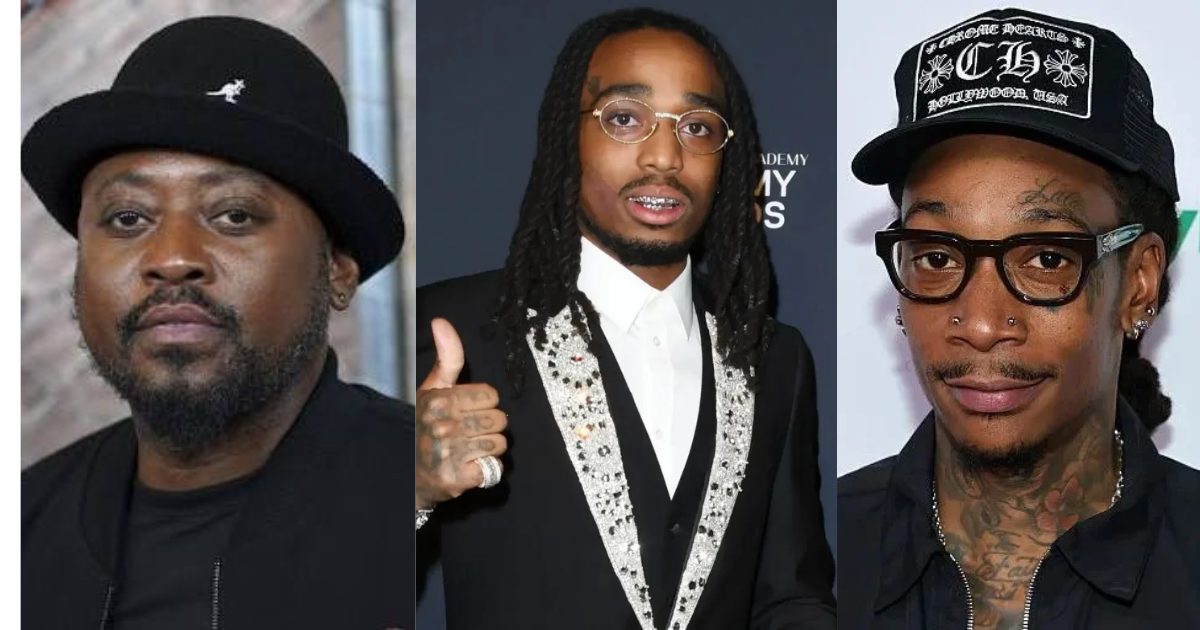
That is the premise of Moses the Black, released in U.S. theaters on January 30, 2026. Omar Epps plays Malik. Wiz Khalifa plays a member of his crew; Quavo plays a rival. Curtis “50 Cent” Jackson is among the executive producers.
There’s an obvious pitch in the cast. The less obvious one is the pairing of a contemporary crime drama with a story of Christian conversion. Making that film meant bringing together partners from faith-focused finance, entertainment and theatrical distribution.
A Modern Story Drawn from an Old One
Saint Moses the Black is traditionally remembered as a fourth-century monk who had once been a bandit. Writer and director Yelena Popovic uses the saint’s history as inspiration, not as a script for Malik’s life. Fathom Entertainment’s release announcement describes the film as a Chicago gangster’s journey of reckoning.
Epps plays Malik, Khalifa plays 2wo-3ree, and Quavo plays Straw. Chukwudi Iwuji portrays the saint.
Popovic has said she wanted to show Chicago accurately while telling a story of redemption. In an interview with WBEZ, she said:
“I wasn’t only trying to have an accurate portrayal of Chicago, I wanted to bring an incredible message of redemption.”
— Yelena Popovic, speaking to WBEZ
The film was set and primarily shot on the city’s West Side. Chicago actors and people involved in local violence-prevention work joined the production. Their participation gives the project a local connection; how the finished film portrays the community is for viewers to judge.
The Names Behind the Film
Simeon Entertainment produced Moses the Black for Simeon Faith, a fund focused on faith-based films. The production announcement also names the Nick Mirkopoulos Cinematic Fund as a financier. It is backed by former Cinespace Film Studios owners Alex Pissios and the Mirkopoulos family. Alexandros Potter and Popovic produced.
Jackson and G-Unit Film & Television served as executive producers. Khalifa and Epps also executive-produced through Taylor Gang Films and BrooklynWorks Films. The artists’ involvement went beyond their acting roles.
Jackson’s credit is executive producer. Popovic wrote and directed the film; Jackson was not its sole financier. His work on crime dramas such as Power gives him relevant experience, but the public announcements don’t describe who had final say on creative decisions or how the partners divided ownership and returns.
Those details matter when a film is held up as a business example. The credits identify the companies and people involved, but don’t reveal the contracts. The production announcements name the financiers without stating a budget or financing terms.
Jackson described the film’s theme in Fathom’s release announcement:
“This film is about redemption and real change. It’s raw, it’s emotional, and it’s powerful. I can’t wait for audiences to see it.”
— Curtis “50 Cent” Jackson
Theatrical Release, then Digital
Fathom announced a U.S. theatrical opening for January 30, 2026. On February 26, Simeon Entertainment said the film would be available digitally in the United States and international markets beginning March 13, including through Apple TV, Amazon, Google Play and YouTube Movies.
A notice from the Serbian Orthodox Diocese of Eastern America said the initial digital rollout was planned for more than 60 countries, with additional markets to follow. That was the proposed reach of the release, not a count of viewers or sales.
The soundtrack added a music-industry connection. Khalifa executive-produced it; Quavo and other collaborators appeared on it, according to Fathom’s announcement. The soundtrack gives listeners another way to encounter the project, though no public figures show whether it sent them to the film.
The same is true of the release itself. The announcements give dates and platforms, but no box-office or streaming results. The distribution plan is public; the performance is not.
What the Arrangement Shows
Epps, Khalifa and Quavo bring recognition from different corners of entertainment. The film’s story may attract viewers interested in crime dramas or religious themes. That gives the project several possible points of entry, but the cast list alone can’t tell us how many people came through the door.
The credits provide a practical map of the production. Popovic wrote and directed. Production companies made the film; named funds financed it; performers took executive producer roles; Fathom handled the U.S. theatrical release. That’s a substantial partnership structure, though the public record leaves the financial terms out of view.
The film is a useful example of how a project can bring together different kinds of partners around a distinctive story. It is not, on the available information, a case study in box-office success or investor returns. Whether Malik’s struggle feels convincing—and whether those varied audiences find something in it—depends on the film itself.
FAQs
When was Moses the Black released?
It opened in U.S. theaters on January 30, 2026. Digital availability in the United States and international markets was announced for March 13.
Who stars in Moses the Black?
Omar Epps plays Malik, Wiz Khalifa plays 2wo-3ree and Quavo plays Straw. Chukwudi Iwuji portrays Saint Moses the Black. Corey Hendrix, Ahmad Ferguson, Kierra Bunch and Deontay Wilder are also in the cast.
What was 50 Cent’s role?
Curtis “50 Cent” Jackson and G-Unit Film & Television served as executive producers. Yelena Popovic wrote and directed the film.
Who financed and distributed it?
The production announcement names Simeon Faith and the Nick Mirkopoulos Cinematic Fund as financiers. Fathom Entertainment handled the U.S. theatrical release. Digital availability was announced for Apple TV, Amazon, Google Play and YouTube Movies.
Is Moses the Black a true story?
No. It is a fictional crime drama inspired by Saint Moses the Black, a fourth-century Christian figure traditionally remembered as a former bandit who became a monk. Malik’s story is not a literal account of the saint’s life.