Fort Worth is experiencing a significant cultural moment as three Black-led organizations come together to reimagine Juneteenth. This collaboration involves the National Juneteenth Museum, the Fort Worth African American Museum and Cultural Center, and Kinfolk House.
They view it not only as a historical event but as an ongoing celebration of Black creativity, memory, and community strength. They are all taking part in a shared cultural initiative focused on art and storytelling.
A Unified Cultural Vision for Juneteenth
At the center of this partnership is a joint exhibition called “All ‘n All.” It showcases the work of 11 North Texas artists who explore themes of identity, heritage, and the Black experience. This exhibition is displayed across two venues. They include the Fort Worth African American Museum and Kinfolk House. This creates a cultural link that connects institutions, artists, and the community.
- The initiative also marks the beginning of the National Juneteenth Museum’s wider programming goals. This includes:
- the Freedom Vibes Festival,
- a 10-day series of events leading to Juneteenth that blends music,
- food,
- education,
- and performance into a rich cultural experience.
Art as Historical Memory and Community Expression
Organizers see the exhibition as more than just a display; it serves as a living cultural archive. Each piece contributes to a broader story of resilience, displacement, celebration, and continuity in Black American life.
Christopher Blay is the director of public programs for the National Juneteenth Museum and curator of the exhibition. He stressed the significance of shared cultural spaces in shaping community identity. According to reports, he stated, “We’re not going to be a silo in the middle of the community without any connection to the community.” His words reflect the belief that cultural institutions should not work in isolation, but as connected spaces that mirror the communities they serve.
The exhibition’s direction also supports the museum’s long-term goal to establish Juneteenth as a recognized cultural and historical experience grounded in education, creativity, and public involvement.
Kinfolk House and the Power of Place
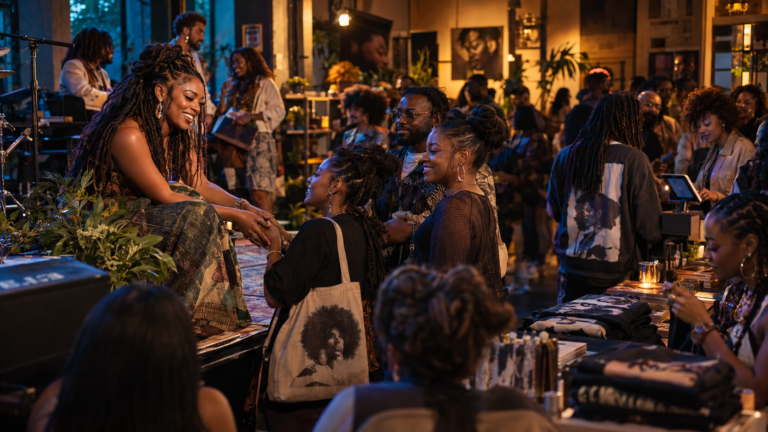
Kinfolk House, an artist-run space in Fort Worth’s South Side, plays a key role in linking the project to real community experiences. It is a gathering spot for creatives, entrepreneurs, and cultural figures. The venue turns the exhibition from a standard gallery experience into a community-focused cultural exchange.
Including Kinfolk House highlights the need for Black-owned cultural spaces that preserve and shape historical narratives from within the community, rather than relying on outside interpretations.
The Fort Worth African American Museum’s Opening Chapter
The Fort Worth African American Museum and Cultural Center, which launches with this joint exhibition, marks a significant step in the city’s cultural landscape. The institution aims to preserve Black history in Fort Worth while also acting as a platform for contemporary Black expression.
For board members like John Barnett, the collaboration among these institutions represents something bigger than just programming; it shows unity. He expressed hope that it “demonstrates harmony… that there’s no competitiveness among us.” His comments reveal a broader vision for Fort Worth’s Black cultural scene—one based on collaboration instead of separation, emphasizing shared cultural memory.
Freedom Vibes and the Future of Juneteenth in Fort Worth
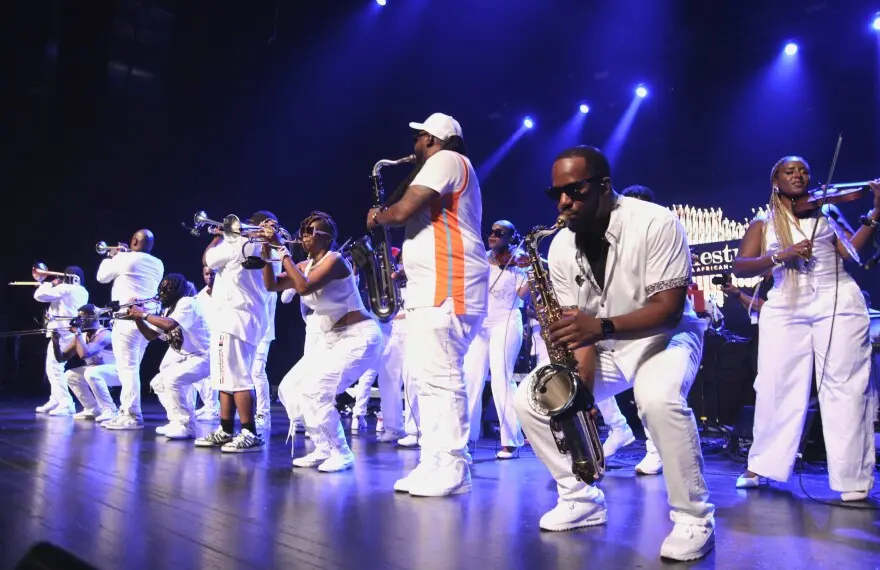
Alongside the exhibition, the Freedom Vibes Festival takes place, a 10-day Juneteenth celebration organized by the National Juneteenth Museum. The festival features concerts, culinary experiences, spoken word performances, and community events aimed at engaging all generations.
The festival broadens Juneteenth beyond one day of remembrance, presenting it as an extended cultural season that fosters reflection, education, and group celebration.
Why This Collaboration Matters
Fort Worth’s Black cultural institutions are increasingly shaping how Juneteenth is recognized nationally. It is seen not just as a historical marker of freedom in 1865, but as a living cultural tradition that evolves through art, storytelling, and leadership.
By coordinating their efforts, these three organizations are creating a cultural environment that emphasizes:
- Preserving Black historical memory
- Supporting Black-led artistic work
- Community-focused cultural events
- Intergenerational storytelling and education
A Living Legacy in Motion
As Juneteenth gains more recognition, Fort Worth’s collaborative approach shows a change in how cultural heritage is preserved and experienced. It is no longer limited to museums; it extends into neighborhoods, performance spaces, and shared community settings.
This results in a Juneteenth celebration that is not just commemorative but also participatory, visionary, and deeply embedded in the ongoing narrative of Black creativity in America.