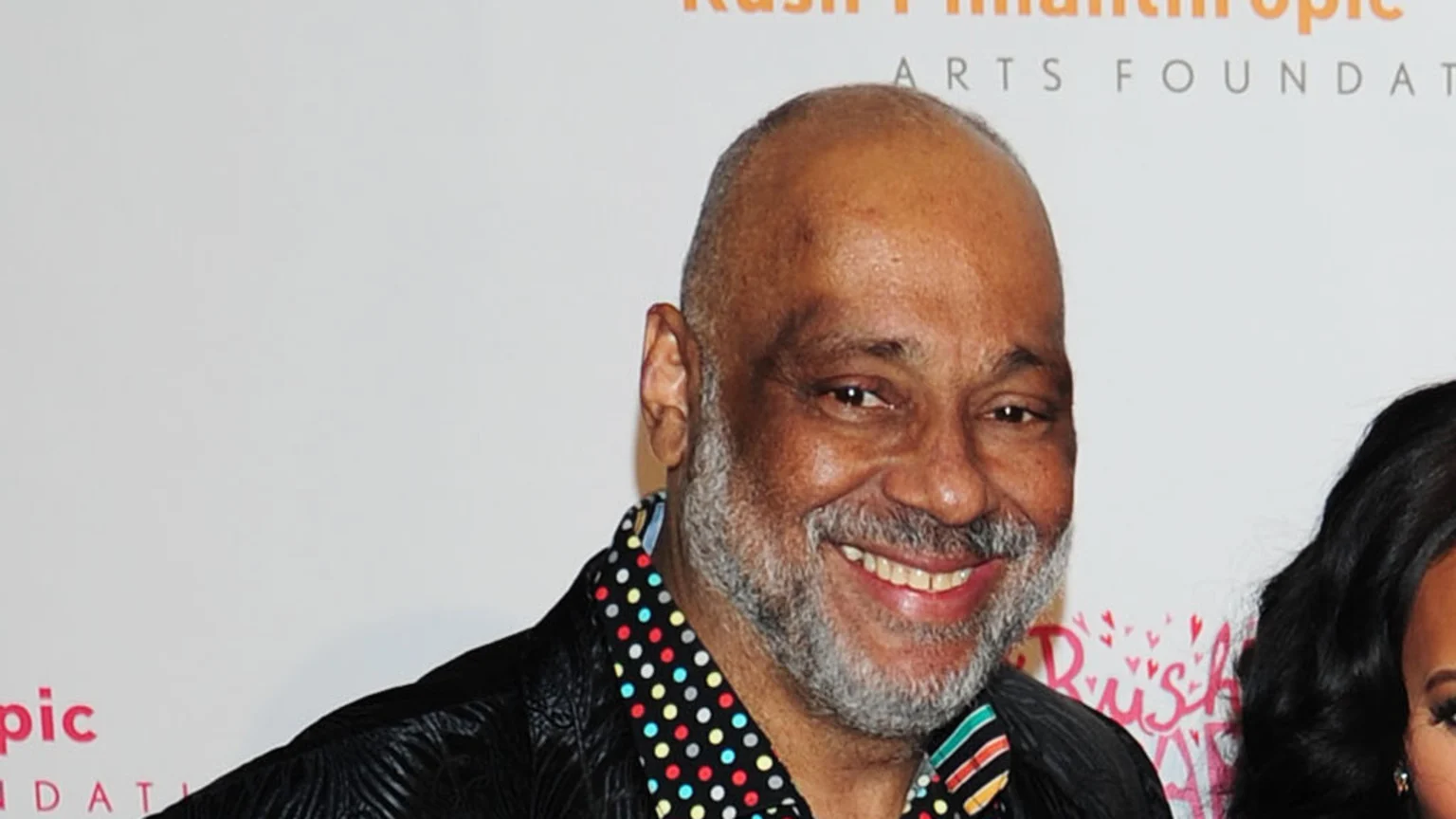
Daniel “Danny” Simmons Jr., the pioneering abstract artist, author, poet, curator, and arts philanthropist, died at age 72 on June 15, 2026. His passing marks the end of a life filled with creative innovation and a strong commitment to community empowerment.
A Life in Art and Activism
Born August 17, 1953, in Hollis, Queens, Simmons grew up in a household that valued both education and artistic expression. His father, Daniel Simmons Sr., was a truant officer and a Black history professor who wrote poetry. His mother, Evelyn Simmons, was a teacher and an amateur painter. This mix of discipline and creativity greatly influenced Simmons, who later combined visual art, literature, and cultural programming throughout his life.
After earning a bachelor’s degree in social work from New York University and a master’s in public finance from Long Island University, Simmons worked with the New York Bureau of Child Support. However, his growing passion for painting and literature led him to pursue full-time artistic work. “I quit my job, started painting, and it started taking off,” Simmons once recalled from reports, reflecting on his shift from bureaucrat to artist.
Neo-African Abstract Expressionism
Simmons created a unique style he named Neo-African Abstract Expressionism. This vibrant mix combined abstract forms with themes from African diasporic culture. His work layered textures, colors, and cultural symbols, connecting histories and stories often overlooked in mainstream art. Critics from The New York Times appreciated his work for bringing “freshness” to contemporary abstraction.
His artwork, bold, rhythmic, and deeply personal, is part of museum collections and public institutions around the world, including the Brooklyn Museum, the Smithsonian, the Schomburg Center for Black Culture, and the United Nations. These pieces serve not only as aesthetic achievements but also as cultural representations, tracing diasporic histories and shared experiences across continents.
Champion of Black Artists and Cultural Access
In addition to his own art, Simmons built institutions and platforms that changed opportunities for many artists. In 1995, he co-founded the Rush Philanthropic Arts Foundation with his brothers Russell Simmons and Joseph “Rev Run” Simmons. This nonprofit aimed to provide underserved youth with access to arts education and exposure. Over three decades, Rush Arts Gallery in New York and Rush Arts Philadelphia became important spaces for emerging artists of color, opening doors that few institutions offered before.
“He cared deeply about the underserved communities of color and encouraged us to give back,” Russell Simmons wrote on social media after his brother’s death, referring to Danny as “the true artist in the family.”
Simmons also played a key role in creating Def Poetry Jam, the influential spoken-word series that aired on HBO and later won a Tony Award for its Broadway adaptation. This series brought poetry back into the mainstream, highlighting voices that had long been excluded from popular culture.
Words, Verse, and Vision
Alongside painting, Simmons was a prolific writer. His 2003 novel Three Days as the Crow Flies examined the challenges of urban life and artistic ambition in New York’s downtown scene. He published several poetry books, infusing language and imagery with the same bold spirit evident in his visual art.
His niece, Aoki Lee Simmons, shared on social media that Danny “held the early Simmons family together” and personally supported the Rush Philanthropic Arts Foundation for years because he “did not want to stop serving the children in his community.”
Philadelphia and Later Years
In 2015, Simmons moved to Philadelphia and established Rush Arts Philadelphia, furthering his mission of community empowerment through art. There, he formed partnerships with local organizations and promoted mural projects across the city, reinforcing his beliefs in creativity as civic engagement.
Up until the spring of 2026, audiences could see his work in Visual Expressions, an exhibition at The Butler Institute of American Art displaying his lifelong exploration of tradition, abstraction, and cultural identity.
A Creative Legacy That Endures
Simmons is survived by his wife, Keia, his son Jamel, extended family, and a worldwide community of artists and admirers. His legacy lives on not only in museums and galleries but also in the countless lives he impacted through mentorship, access, and inspiration.
As Russell Simmons said, “His poetry, art, and ideas shaped how we think and gave us the freedom to dream beyond limits.” In that spirit, Danny Simmons Jr.’s creative influence will continue to guide the future of art and culture.