When five North Carolina A&T students completed a five-week design program at PLC Detroit in 2024, they had worked across footwear, apparel, graphics, color and materials, 3D design and product marketing. Nike powered the course; PLC’s brand partners provided tuition and housing. The students left with more than classroom instruction: they had worked alongside people with experience inside the industry. Whether that access becomes a career is the harder measure.
PLC, short for Pensole Lewis College of Business and Design, has built its programs around that gap between learning design and getting hired to do it. Companies supply instructors, briefs, facilities and routes into paid work. Each contribution answers a different need. The industry connection is useful; the lasting test is whether students can turn it into jobs, advancement or businesses of their own.
Nike’s People and Programs
PLC founder Dr. D’Wayne Edwards spent years in footwear design, including at Nike’s Jordan Brand. He knows the industry from the inside, and that experience is part of what the college brings to its partnerships.
Nike’s FY22 impact report lists Pensole Lewis College as an education grantee under its Black Community Commitment. The company describes PLC as a pipeline for diverse talent in product creation.
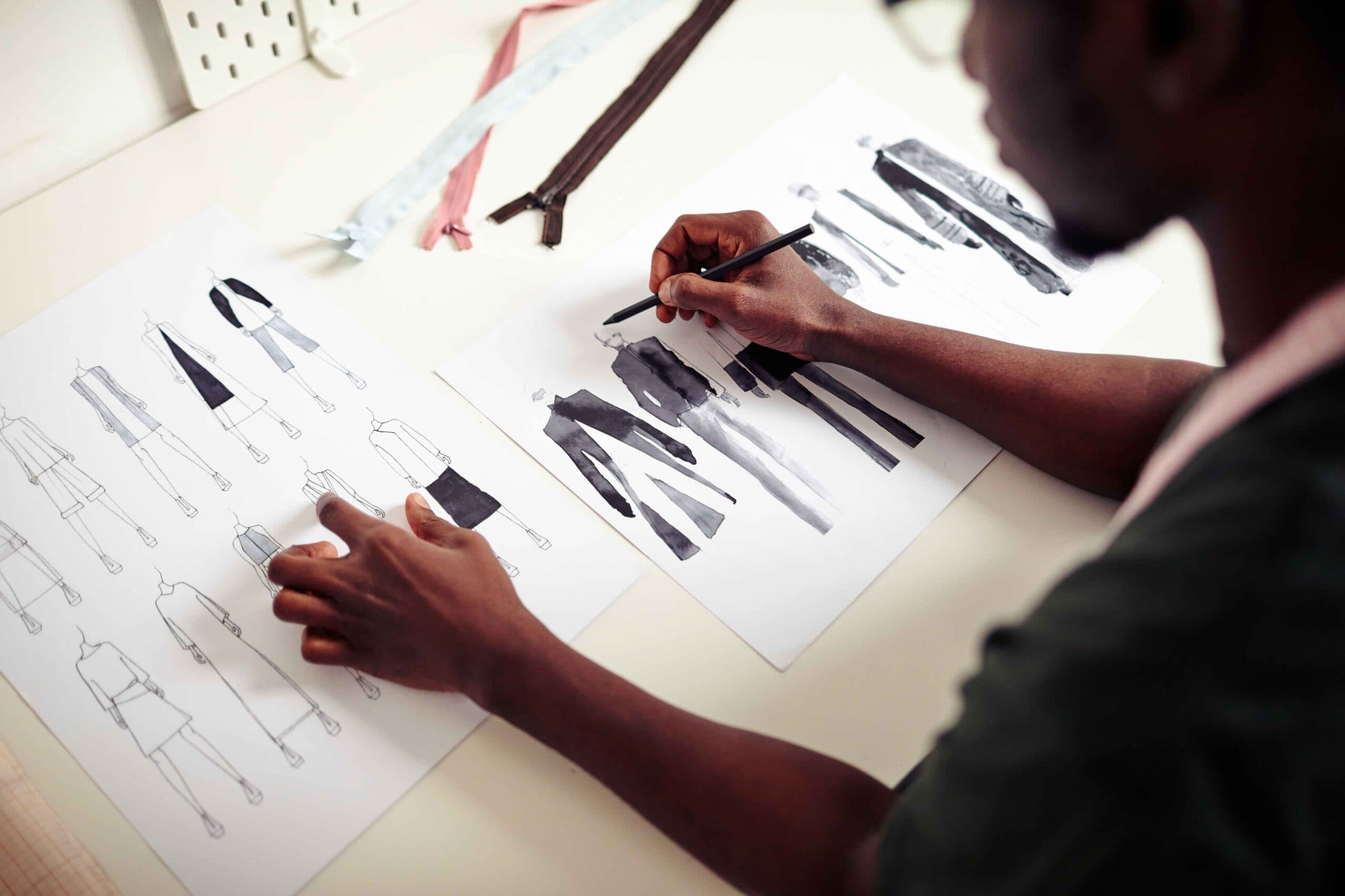
Future Sole | PLC, powered by Nike, put that connection into a program for HBCU students. Its instruction covered footwear, apparel, color, materials, graphics, 3D design and product marketing. PLC department chairs with Nike experience led the sessions. The program brought students from different HBCUs into the same learning environment, where they could build skills and meet peers with similar ambitions.
Edwards summed up the draw of that experience:
“To be taught by former Nike design directors is invaluable.”
— Dr. D’Wayne Edwards
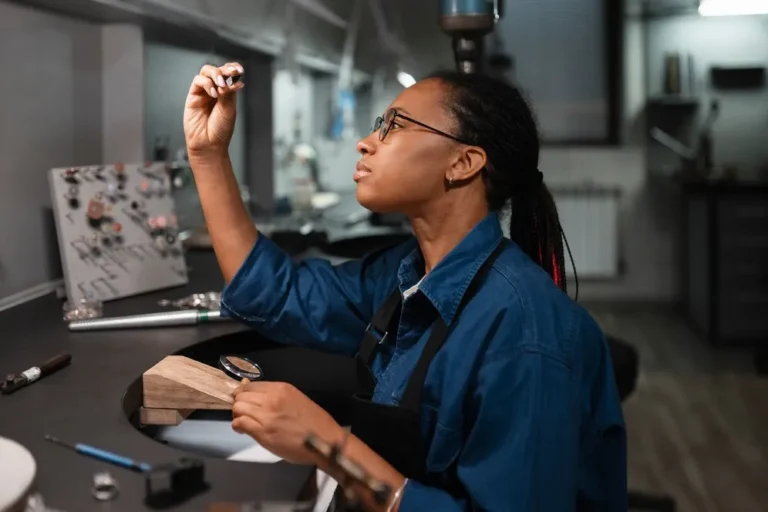
The instruction has a physical home, too. PLC opened the Wilson Smith III Footwear Design Stu/deo in 2024, naming it for the longtime Nike designer. The studio provides space for design work, shoemaking workshops and sample making. It lets students handle the making process as well as the drawing and presentation stages.
The Number That Points to a Job
New Balance has worked with Pensole Lewis College since 2017, according to its 2025 Sustainability and Impact Report. The company says 50 design internships have come through the PLC collaboration. Twenty-one of those interns transitioned to full-time roles on New Balance footwear and apparel teams. The figures cover the partnership to date and are reported by New Balance.
That 21 is the most concrete hiring result in the partnership’s public record. An internship can teach a student how a design team works; a full-time role means the company decided to hire. The figure does not tell us how long those designers stayed or how their careers developed, but it shows some movement from training into employment.
In 2025, PLC and New Balance introduced ALL.IN, a five-week hybrid certificate program with design projects and mentorship from company leaders. A year later, PLC scheduled a 10-week capstone around a New Balance design brief. The posted dates were August 24 to October 29, 2026. Its terms included tuition, housing, mentorship and a chance to be considered for a paid, one-year apprenticeship. That last part was a possibility, not a guaranteed placement.
For an applicant, those distinctions are practical. “Internship,” “full-time role” and “consideration for an apprenticeship” describe different outcomes. Students should know which one a program offers before they commit time, travel or work.
A Studio Changes What Students Can Try
Foot Locker’s support is visible in another part of the process. Its creation studio at PLC includes shoemaking workshops, sample-making services and small-scale footwear production capabilities, according to the Gilbert Family Foundation. A student can test how a design translates into a physical object, an important step in footwear where construction and materials can reshape an idea.
That space could help a future founder develop an early product. It cannot supply the rest of a business: money for production, a manufacturer, inventory financing, retail access or customers. Nor does a prototype settle who owns a design. Those questions depend on the contracts around the work.
What the Students’ Experience Shows
The five North Carolina A&T students came from different academic backgrounds. Wesley Alston studied media design; Haleigh Aldridge studied history and political science with a focus on fashion merchandising; another student, Nia Heaston, studied supply chain management. The program put them in a design setting where those different skills could meet.
Alston described representing his school with the group:
“It felt amazing to represent A&T with such a strong group.”
— Wesley Alston
Aldridge said the program helped her connect storytelling and problem-solving with fashion research and consumer insight. That is a useful example of how design work can draw on skills developed outside a design major. It is not evidence that every participant went on to work for a sportswear company. It shows what the course exposed them to and how one student connected it to her own goals.
PLC’s founder page says the earlier PENSOLE academy placed more than 500 alumni in jobs at companies including Nike, Adidas, New Balance and Under Armour. That number covers PENSOLE’s alumni over its history. It should not be read as a placement total for PLC Detroit graduates.
The Next Step Is a Route to Retail
PLC’s New Balance capstone was announced in July 2026 to mark a decade of partnership. Its schedule set final presentations for October 29. The next announced opportunity points in a different direction: PLC’s Foot Locker Threaded 2027 program is for people who already own apparel brands.
Applications closed on October 18. PLC says the 15-person virtual program is scheduled to run from January 12 to March 18, 2027. It offers free tuition, mentorship and growth support, plus the opportunity to have a brand sold online at Foot Locker. That is a potential retail opening, not a guaranteed sale.
The distinction matters. New Balance’s programs help designers develop skills and pursue employment. Threaded is aimed at founders who already have a label and want help growing it. Together, they extend PLC’s work from design training toward jobs and possible customer access. The measure will be what participants secure after the programs: employment, advancement or a real retail deal.
FAQs
What is PLC Detroit?
Pensole Lewis College of Business and Design is a Detroit-based, design-focused HBCU. It teaches product creation, including footwear, apparel and color design, and works with industry partners on training programs and design projects.
Which companies have partnered with PLC Detroit?
Nike and New Balance have partnered with PLC on design education and career programs. Foot Locker supports a footwear creation studio with workshops and sample-making capabilities. PLC also works with companies outside sportswear.
Does PLC Detroit guarantee students jobs?
No. Some programs offer internships or a chance to be considered for an apprenticeship, but they do not guarantee a job. New Balance reports that 21 of 50 PLC-related design internships transitioned into full-time roles.
What does the New Balance partnership offer?
The partnership has included design training, mentorship, real-world projects and internships. PLC’s 2026 capstone schedule offered participants a chance to be considered for a paid one-year apprenticeship.
Can PLC students start their own brands?
The programs can help students develop skills, prototypes and portfolios. Starting a brand also requires capital, production, customers, business planning and clear agreements about intellectual property and ownership.
Why are sportswear companies supporting design education?
The partnerships give companies contact with emerging designers and let students work with mentors, tools and product briefs. Those opportunities can help prepare students for industry roles; hiring and advancement determine what follows.