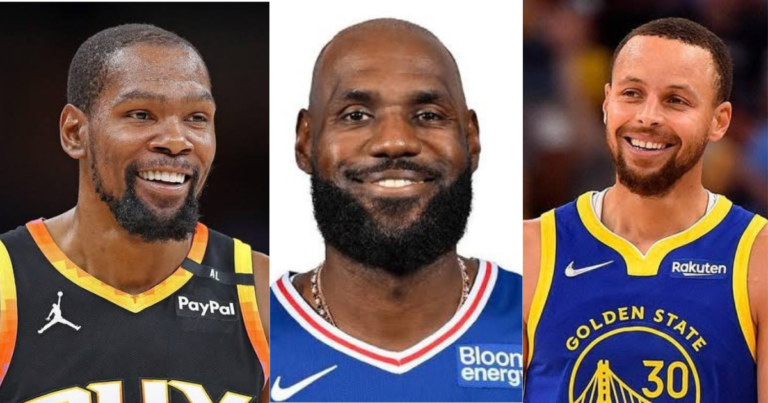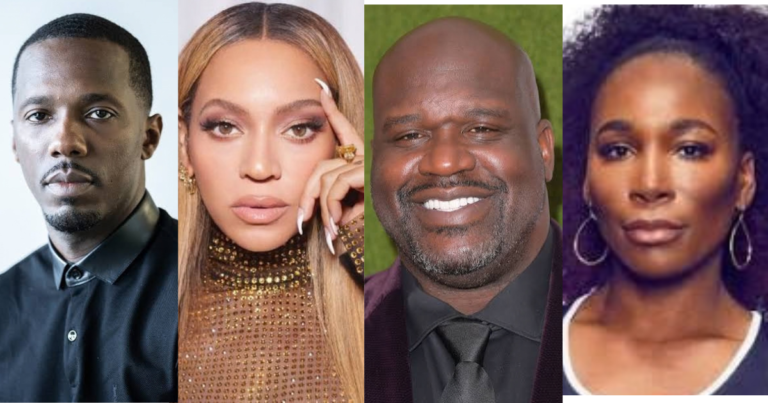
Ten billionaires. Ten completely different careers. Yet nearly every one of them became wealthy using the same principle: ownership. As of late July 2026, Forbes puts the combined net worth of these ten people at roughly $39.7 billion.
Not all of them came from poverty, but none inherited their fortunes. Oprah Winfrey, LeBron James, Tyler Perry, David Steward, Jay-Z, and Robert L. Johnson all faced real economic hardship growing up. Magic Johnson’s background was working-class. Michael Jordan and Robert F. Smith, on the other hand, had fairly stable childhoods. And Tope Awotona grew up middle class in Nigeria, his life changed course only after tragedy and immigration. So the poverty wasn’t identical across the board. What they do share is this: none of them inherited their fortunes.
1. David Steward: $12.4 Billion

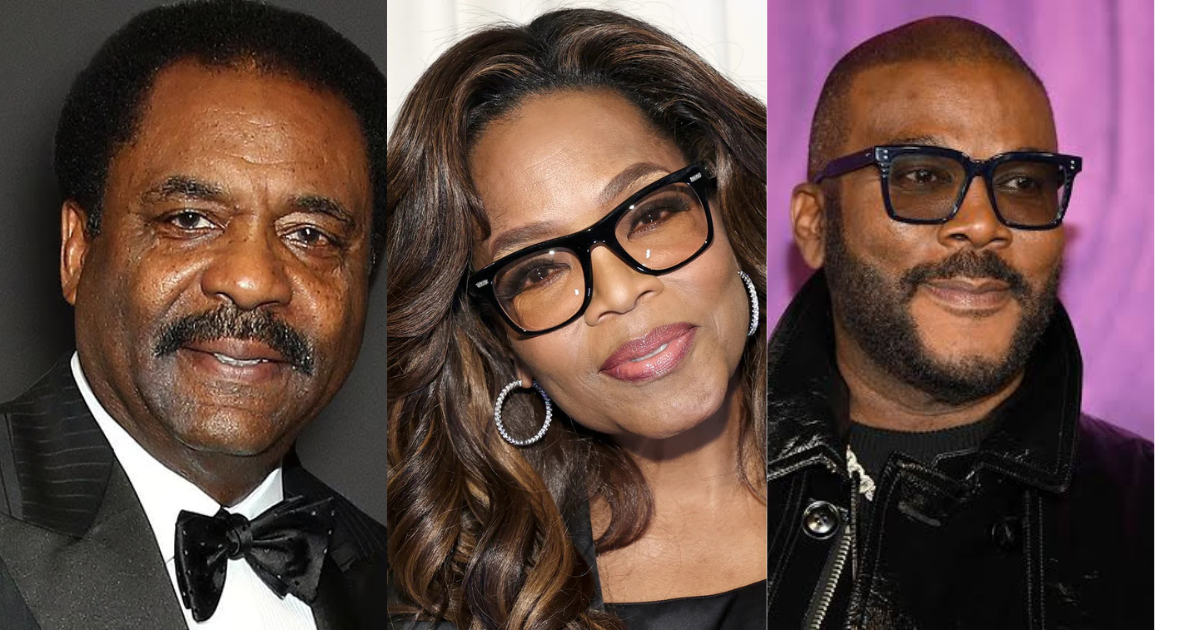
Steward grew up in segregated Missouri, one of eight kids. His father held down jobs as a mechanic, a janitor, a trash collector, whatever kept the family afloat. Steward cofounded World Wide Technology in 1990. It wasn’t smooth. There were stretches with no salary. His car got repossessed at one point. Now he’s majority owner of an IT company pulling in about $20 billion a year in sales, according to Forbes. The throughline is ownership, he built one of the largest privately held businesses in America out of enterprise tech distribution and services.
2. Oprah Winfrey: $3.4 Billion
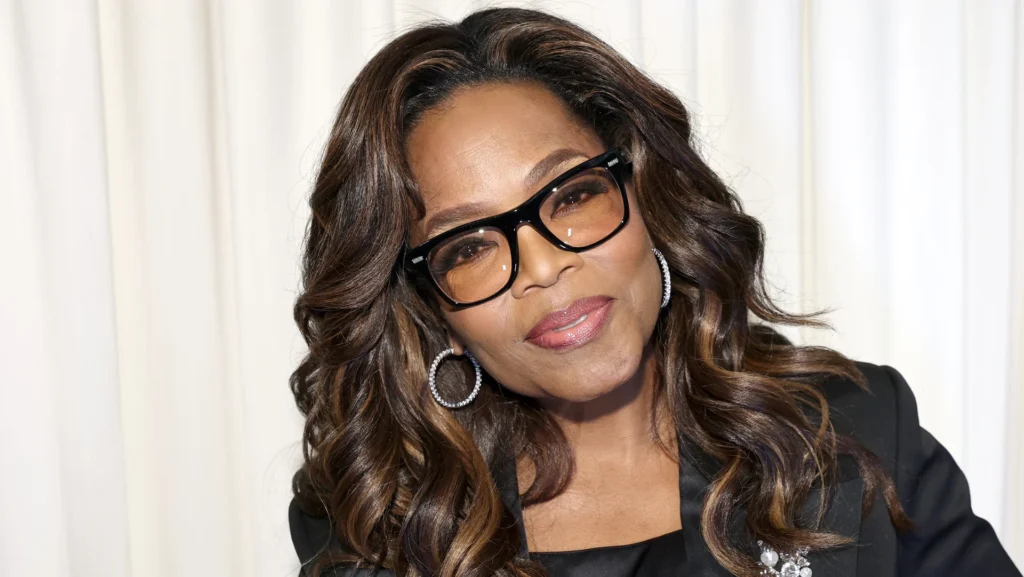
Born to a teenage mother, Winfrey spent her early years with her grandmother in rural Mississippi, and money was tight. Broadcasting opened the door. But it was Harpo Productions that made her rich. She didn’t stay a talent in front of the camera—she took control of the economics behind it: production, syndication, film, eventually cable through OWN. Forbes estimates she’s reinvested more than $2.8 billion in profits from her television and film ventures over the decades.
3. Tyler Perry: $1.4 Billion
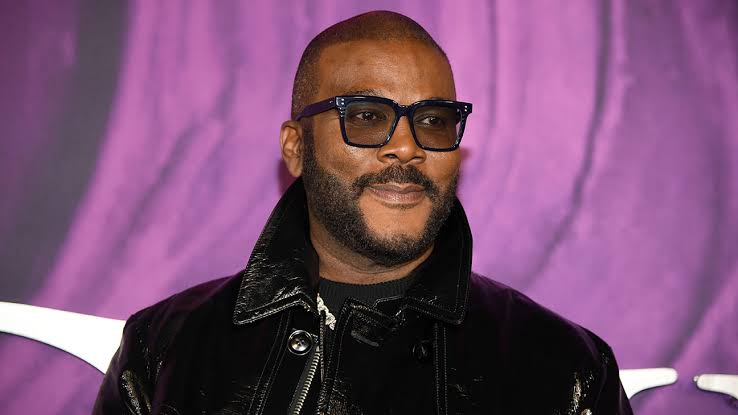
Perry put $12,000 of his savings into his first stage production back in 1992. It flopped. Ticket sales were so bad he couldn’t cover basic bills, and for a while he lived out of his car. Theatre gave him his break. But the real money came from something else entirely: control. He owns his creative library outright, plus the 330-acre Tyler Perry Studios in Atlanta. He’s also held an equity stake in BET+.
4. Shawn “Jay-Z” Carter: $2.8 Billion
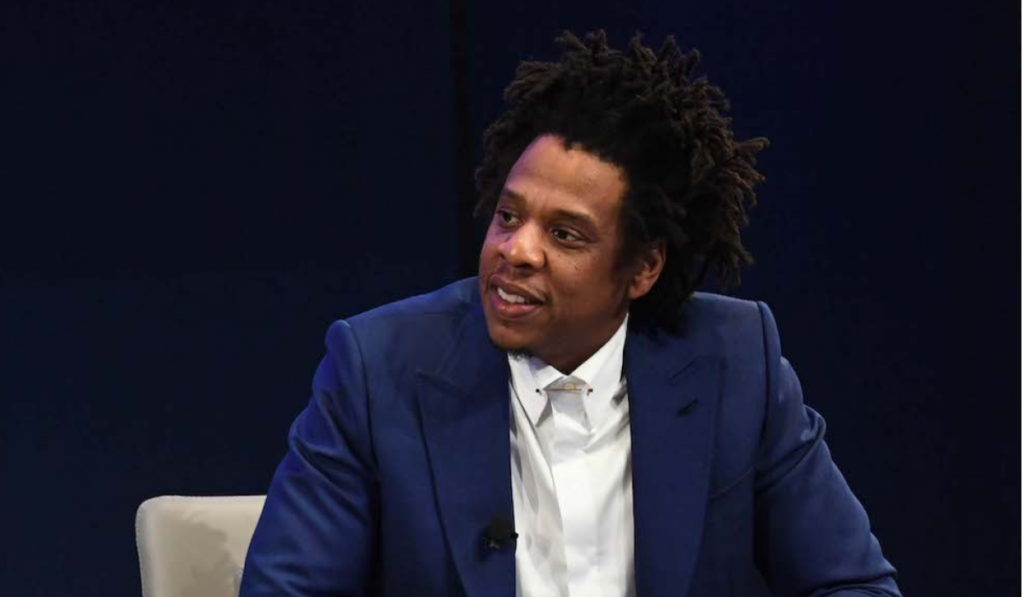
Jay-Z grew up in Brooklyn’s Marcy projects, raised mostly by his mother after his father left. No label would sign him, so he co-founded Roc-A-Fella Records and put his own music out. That same instinct—own it, don’t just perform it—carried into Rocawear, Roc Nation, Armand de Brignac, D’Ussé, and a string of tech investments. Forbes puts his fortune at $2.8 billion. Few people have converted celebrity into hard capital as cleanly as he has.
5. LeBron James: $1.4 Billion
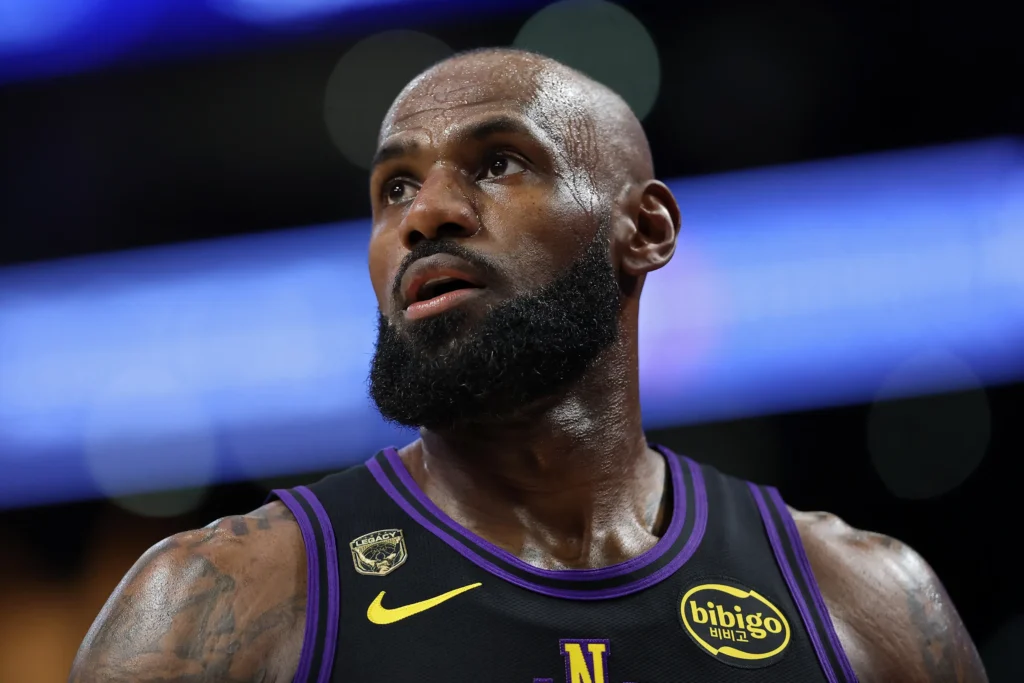
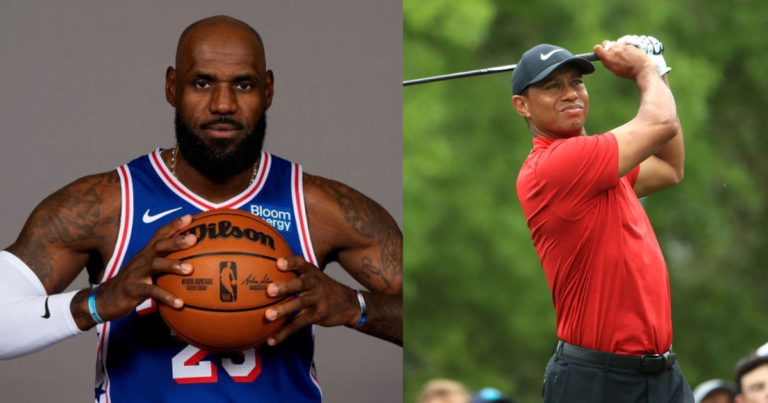
James grew up bouncing between homes in Akron, Ohio. His mother had him at 16 and raised him alone; he missed 83 days of fourth grade because their living situation was so unstable. Basketball paid well, obviously. But James never treated it as the whole plan—Forbes estimates he’s pulled in more than $1 billion pretax from off-court deals, and he’s consistently pushed for equity instead of settling for a standard endorsement check.
6. Robert L. Johnson: $1 Billion
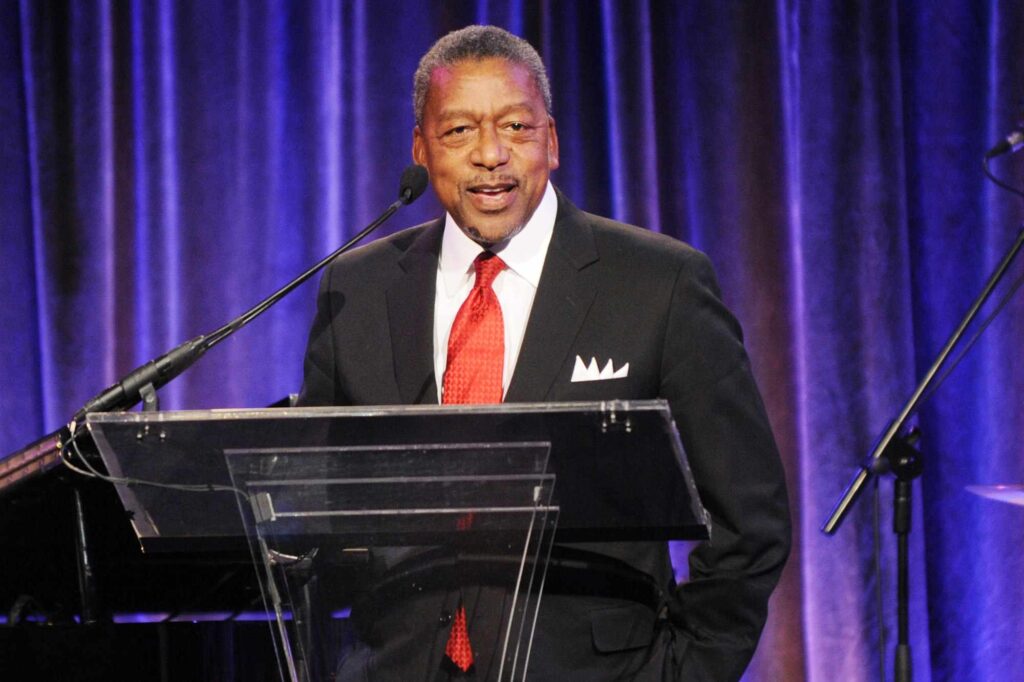
The ninth of ten children, Johnson was born into poverty in segregated Mississippi before his family headed north for factory work. In 1980, he launched Black Entertainment Television, starting with a $15,000 bank loan plus outside investment. BET eventually sold to Viacom for $3 billion. He didn’t stop there—RLJ Companies took him into private equity, automotive, hotels, and more.
7. Tope Awotona: $1.4 Billion
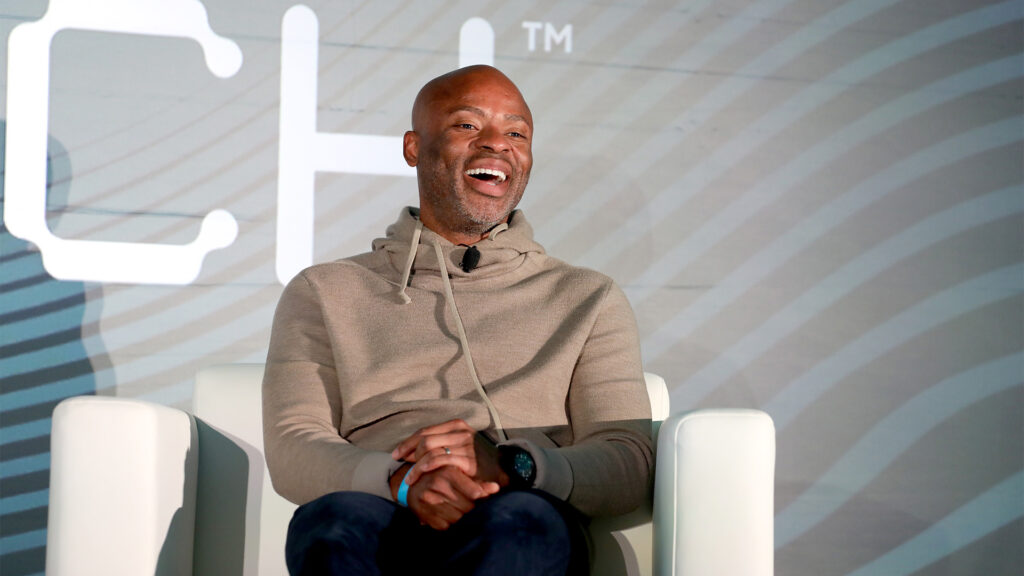
His story breaks the pattern. Awotona grew up middle class in Lagos—his father was a microbiologist and entrepreneur, his mother worked at Nigeria’s central bank. After moving to the U.S., he built a career in software sales, watched a few businesses fail, and eventually sank about $200,000 of his own savings into Calendly. That scheduling company later raised $350 million at a $3 billion valuation. His majority stake did the rest.
8. Michael Jordan: $4.3 Billion
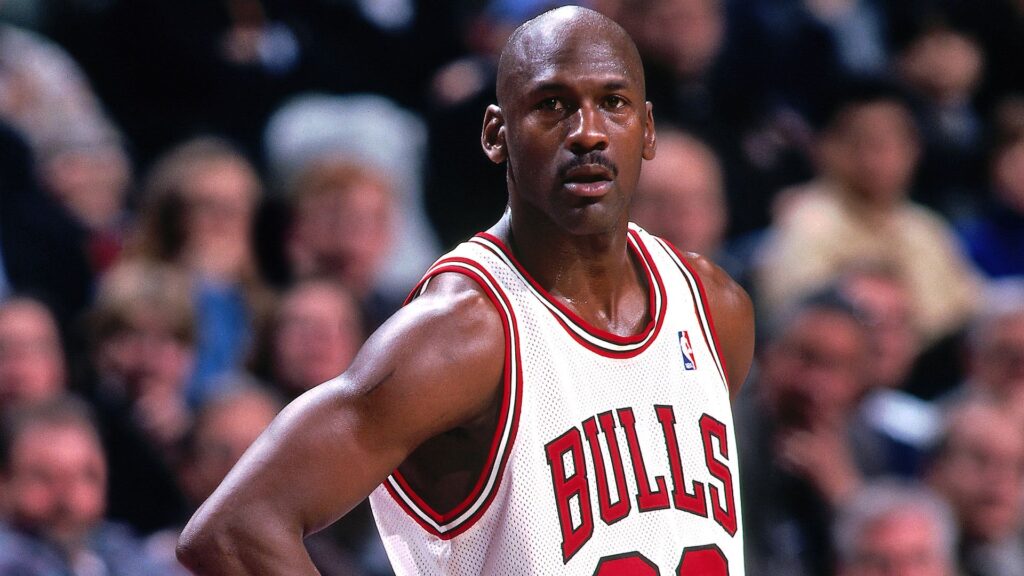
Jordan didn’t grow up poor either. His mother was a bank teller, his father a manager at General Electric—a stable North Carolina upbringing by most measures. What’s striking is the gap between salary and wealth: he made about $90 million in NBA earnings over his career, but Forbes estimates roughly $2.4 billion pretax from corporate partners, Nike chief among them. His stake in the Charlotte Hornets added even more.
9. Magic Johnson: $1.6 Billion
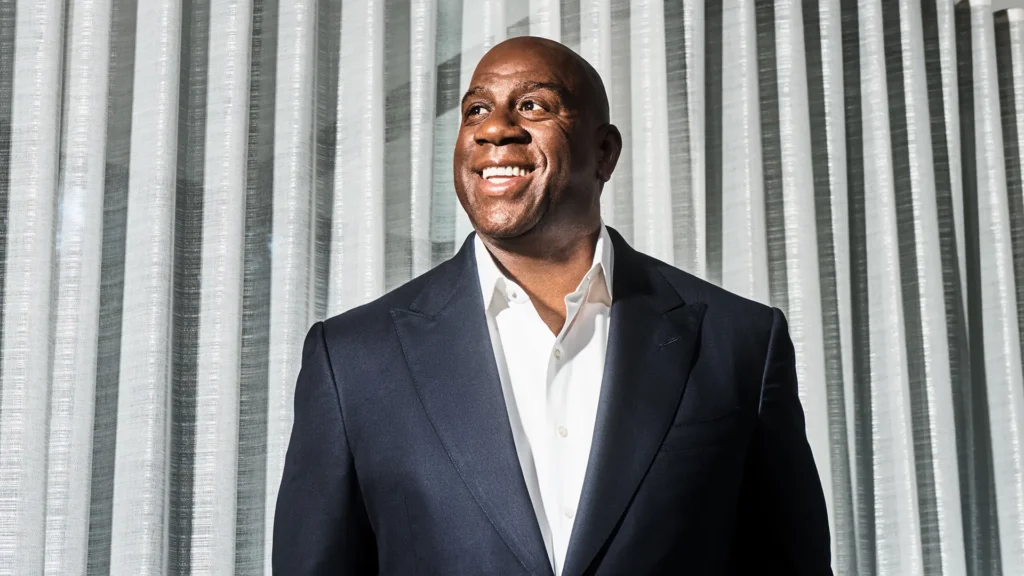
Johnson grew up working-class in Lansing, Michigan. His father worked at General Motors, his mother was a school custodian. He only made about $40 million total as an NBA player—not nothing, but not the fortune he has now. That came later, through movie theatres, Starbucks franchises, real estate, sports ownership, and above all his majority stake in the insurance company EquiTrust.
10. Robert F. Smith: $10 Billion
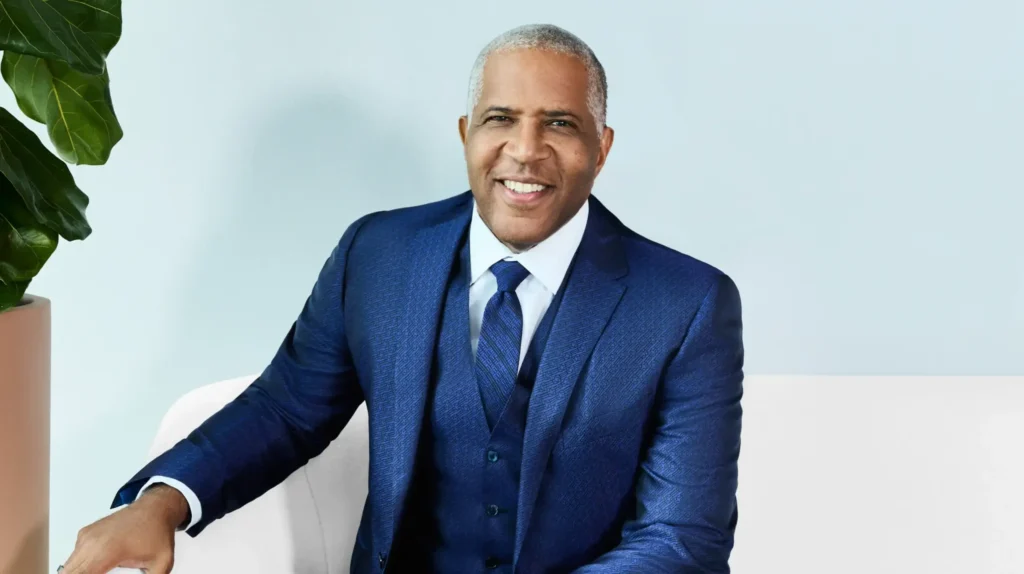
Smith grew up middle class in a predominantly Black Denver neighborhood, with working-class parents, nothing close to poverty. He studied chemical engineering at Cornell, got an MBA from Columbia, and moved into tech investing. In 2000, he founded Vista Equity Partners, which now manages roughly $100 billion, mostly in enterprise software. Forbes puts his personal fortune at $10 billion.
The Pattern
Different industries, same playbook: ownership beats income, every time. Perry owned his intellectual property. Steward kept a major stake in his company. Winfrey controlled her own production. Awotona held onto his equity. Johnson built BET from scratch. James, Jordan, and Magic Johnson all moved past endorsement checks and into real assets.
None of these billionaires became wealthy simply because they earned a high income. Their fortunes came from owning assets that kept increasing in value long after the work was done. Different careers. Different childhoods. Same destination: ownership turned success into lasting wealth.