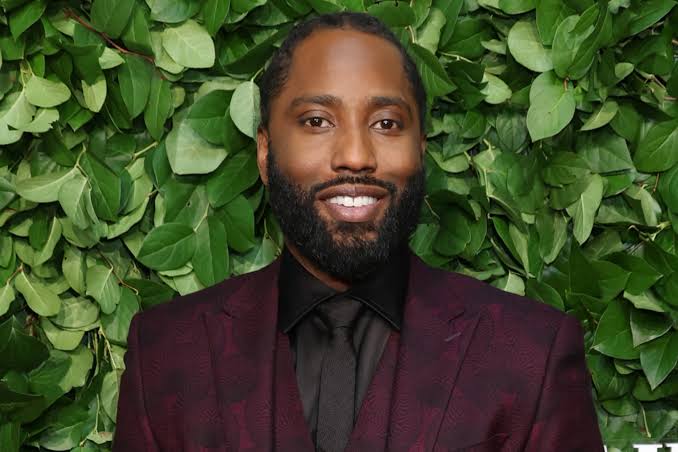
Traditional business playbooks often fail in today’s volatile landscape. This week, we analyzed a wide range of profiles featuring transformative Black entrepreneurs who didn’t just adapt to uncertainty—they mastered it. From turning viral mockery into multi-million dollar empires to restructuring billion-dollar assets before crises hit, their approaches offer a new blueprint for growth.
From this broader collection of insightful profiles, we’ve pulled out five specific leaders to illustrate some key points on building wealth and resilience in the current economy.
Here are the five critical lessons from these industry leaders, optimized for immediate application.
1. Adebayo Ogunlesi (Global Infrastructure Partners)
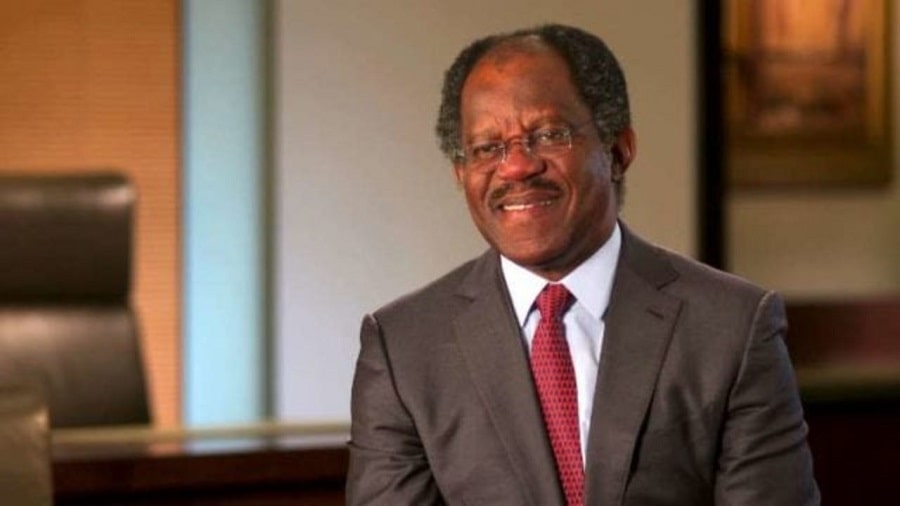
When GIP bought London’s Gatwick Airport for £1.455 billion during the 2008 financial crisis, most investors saw a boring utility. Ogunlesi saw an operational challenge. By embedding engineers directly into management, they discovered that tweaking taxiway sequencing could increase runway capacity by 10% for less than $1 million in capex. This single fix created hundreds of millions in value.
The Lesson: Don’t just buy and hold; actively manage inefficiencies.
Ogunlesi refuses to treat assets as passive bond proxies. He applies Six Sigma discipline to “boring” industries. Whether it’s adding two baggage carts to stop lost luggage or optimizing air traffic flow, he proves that small, granular operational fixes unlock massive value that financial engineering alone cannot achieve.
Your Move: Pick one asset or project in your portfolio. Calculate what a 10% improvement in operational efficiency would be worth. Then, identify one specific, low-cost process fix (the equivalent of Ogunlesi’s £2,000 baggage carts) and assign an operator—not a financier—to solve it within 30 days.
2. Arian Simone (Fearless Fund)

Arian Simone built Fearless Fund to address the stark reality that Black women founders received less than 1% of U.S. venture capital. When the racial justice movements of 2020 sparked a temporary surge in corporate interest, Simone didn’t just bask in the spotlight. She aggressively closed her first fund at $25.8 million, knowing the window might close.
The Lesson: Treat investor attention as a window, not a structural change.
Simone understood that the spike in interest was event-driven, not a permanent shift in institutional behavior. She used that narrow window to secure long-term commitments before the narrative faded. Later, when legal challenges threatened her grant program, she isolated the liability without letting it destroy the core investment thesis.
Your Move: If your industry is currently buzzing about your niche, do not assume it will last. Write a one-page memo identifying the measurable gap in your market and secure capital or clients now. Differentiate between temporary hype and lasting conviction.
3. Ashton Hall (Fitzz.io)

After his NFL dreams collapsed, Ashton Hall pivoted to content creation. His infamous “4 AM morning routine” video went viral, but not for the reasons he expected. The internet mocked a “4-minute jump” continuity error, parodied by MrBeast and the LA Rams. Instead of deleting the video or defending himself, Hall leaned into the absurdity, adding banana peels and more theatrical intensity.
The Lesson: Outrage and admiration drive the same traffic.
Hall operates on the “Extremity Parity Principle.” In the attention economy, being laughed at is just as profitable as being admired—if you funnel that attention correctly. He turned mockery into brand awareness, driving millions of viewers to his premium coaching packages and turning niche brands like Saratoga Spring Water into viral sensations.
Your Move: Identify the aspect of your work or brand that people ridicule most. Instead of minimizing it, create content that exaggerates it by tenfold, then add a clear call-to-action to your highest-ticket offering. Let the outrage cycle fund your business development.
4. Kenneth Chenault (General Catalyst)
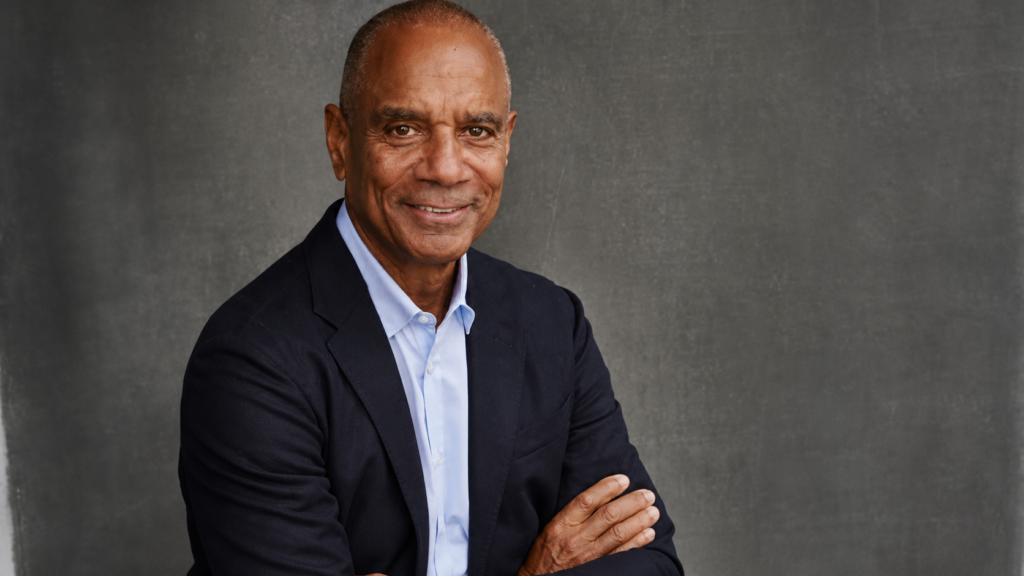
Kenneth Chenault became CEO of American Express in 2001, just months before the 9/11 attacks devastated global travel. While others waited for the market to recover, Chenault approved a $280 million restructuring charge, cutting thousands of jobs to reduce the company’s cost base. This painful decision created the financial flexibility American Express (AmEx) needed to survive the shock and later navigate the 2008 financial crisis.
The Lesson: Proactive restructuring beats reactive panic.
Chenault didn’t wait for assumptions to become dangerous. He changed the cost structure during the uncertainty, creating a leaner operating base for an unpredictable recovery. He built flexibility before predictability returned.
Your Move: Choose one operating metric that indicates your business assumptions are no longer valid (e.g., a 20% revenue decline or cash runway under three months). Write down in advance the action that metric will trigger. Decide the rules before the crisis hits, so you don’t have to make emotional decisions under pressure.
5. IShowSpeed (Darren Watkins Jr.)
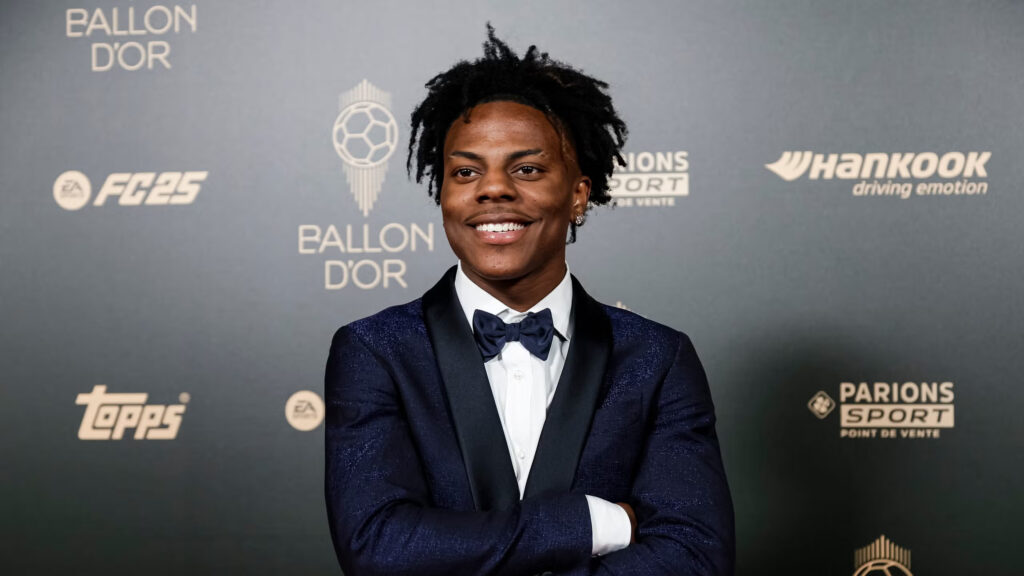
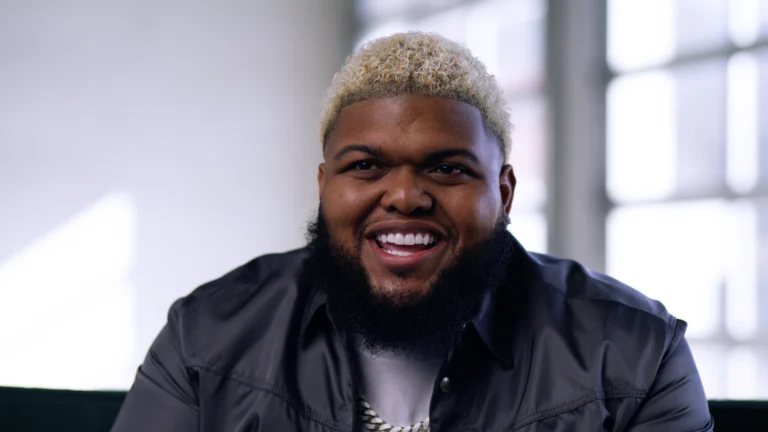
Darren “IShowSpeed” Watkins Jr. became the first individual Black creator to surpass 50 million YouTube subscribers by doing the opposite of what brand managers advise. He streams unfiltered chaos, screams his obsession with Cristiano Ronaldo, and travels to underserved markets like Lagos, Nigeria, where his presence becomes a cultural event. After a Twitch ban, he didn’t sanitize his content; he doubled down on raw transparency and diversified to YouTube and Rumble.
The Lesson: Authenticity is a moat; polish is a commodity.
Speed’s empire is built on the truth that unscripted, volatile, and genuine reactions create addictive engagement. His obsession with Ronaldo wasn’t a strategy—it was real. This authenticity allowed him to cross over from digital creator to FIFA-endorsed global icon, securing $40 million in net worth through deals with PRIME, Warner Records, and Rumble.
Your Move: Film one piece of content with zero editing, zero script, and zero concern for “brand safety.” Just you, raw, talking about something you’re genuinely obsessed with. Post it unedited. If it feels uncomfortable and risky, you’re doing it right. Track the engagement versus your polished content.
Summary Table: Entrepreneurial Strategies at a Glance
| Entrepreneur | Company | Core Strategy | Key Action |
|---|---|---|---|
| Arian Simone | Fearless Fund | Capital Timing | Close funds during temporary hype windows. |
| Adebayo Ogunlesi | GIP | Operational Rigor | Fix granular inefficiencies in passive assets. |
| Ashton Hall | Fitzz.io | Monetized Mockery | Lean into ridicule to drive traffic. |
| Kenneth Chenault | AmEx / General Catalyst | Proactive Cutting | Restructure costs before crisis peaks. |
| IShowSpeed | Creator Empire | Raw Authenticity | Prioritize unfiltered content over brand safety. |
The Bottom Line
This week’s leaders prove that success isn’t about waiting for perfect conditions. It’s about:
- Seizing windows of opportunity before they close (Simone).
- Optimizing operations in boring assets (Ogunlesi).
- Monetizing mockery instead of fearing it (Hall).
- Cutting costs before the crisis peaks (Chenault).
- Embracing raw chaos over manufactured polish (Speed).
Which of these lessons will you apply to your business today?
Share this article with a founder who needs to hear it.