With the release of the Avengers: Doomsday trailer, directors Joe and Anthony Russo have unveiled one of the Marvel Cinematic Universe’s (MCU) most anticipated ensemble. The Black cast members anchoring the MCU’s next chapter represent far more than box-office draws—they are producers, playwrights, entrepreneurs, and cultural architects reshaping the economics of Hollywood from the inside out.
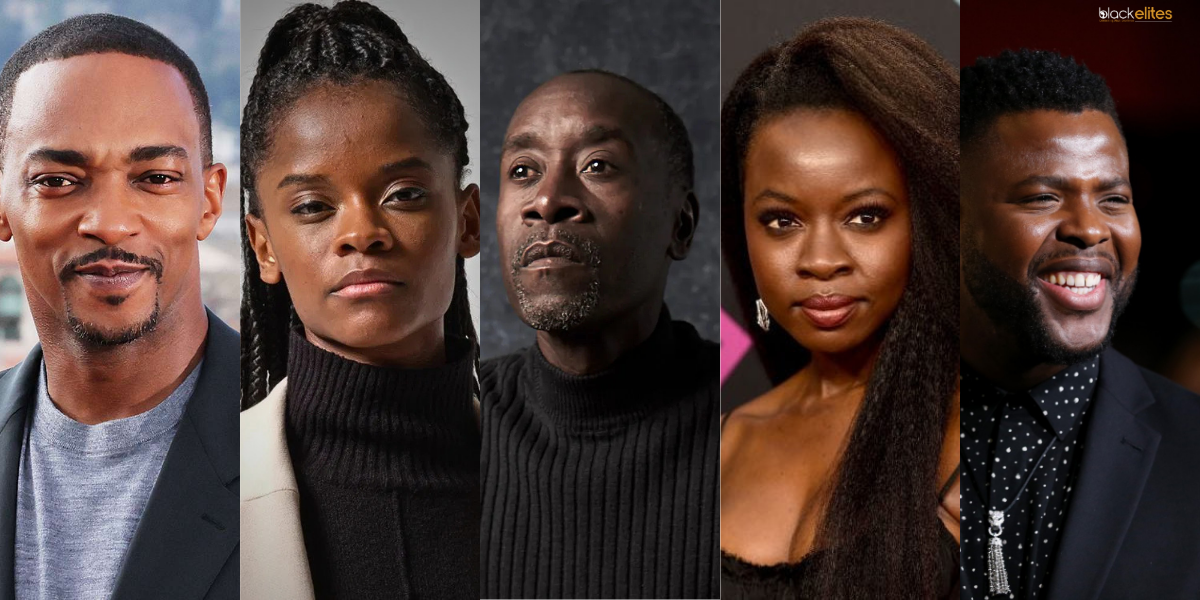
Don Cheadle’s four-decade career spans independent cinema and billion-dollar blockbusters. Anthony Mackie has evolved from a supporting Avenger to Captain America, one of Marvel’s most iconic heroes. Letitia Wright has grown from British independent films to leading the Black Panther franchise, while others have expanded their influence through storytelling, business ventures and creative leadership.
This is your definitive guide to the Black stars of Avengers: Doomsday—and the empires they’re building beyond the MCU.
Anthony Mackie | Sam Wilson / Captain America
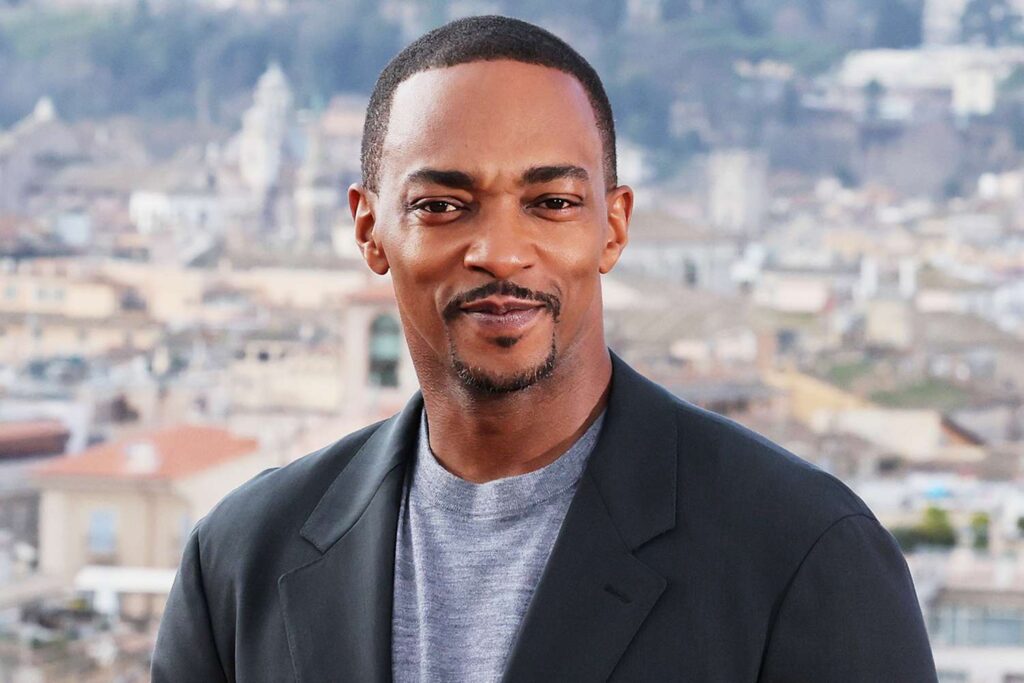
Anthony Mackie’s journey from a supporting role in 8 Mile (2002) to inheriting the most iconic shield in comic book history is a testament to sustained excellence and strategic career positioning. After establishing dramatic credentials in the Oscar-winning The Hurt Locker (2008), Mackie logged appearances across seven MCU films as Sam Wilson / Falcon before scaling to top-billed status.
His inheritance of the Captain America title in The Falcon and the Winter Soldier and his leadership of Captain America: Brave New World represent a cultural milestone—the first Black actor to headline a Captain America film. The financial trajectory mirrors the cultural weight: from a $100,000 baseline in early ensemble films to $4 million for Avengers: Infinity War, $475,000 per episode ($2.8 million total) for his Disney+ series, culminating in a reported $10 million upfront salary for Captain America: Brave New World.
Mackie’s Business Empire
Mackie operates East Studios, a production vehicle that co-produced Apple TV+’s historically rooted finance drama The Banker. His investment philosophy is notably disciplined—he openly advocates for a highly diversified asset model, modeling his financial tenure after traditional investment banking principles to withstand industry volatility.
His commercial partnerships extend his financial runway via top-tier corporate integration campaigns, including deals with Hyundai and American Family Insurance—making him one of the most brand-visible Black actors in the current marketplace.
Net Worth: ~$15 million
Letitia Wright | Shuri / Black Panther
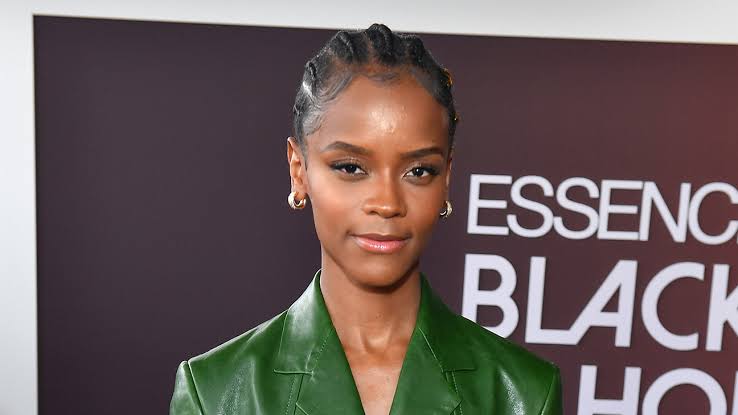
Letitia Wright’s ascent is among the most remarkable in modern cinema. Transitioning from British independent dramas like Urban Hymn to prestige television projects including Steve McQueen’s Small Axe anthology and Black Mirror, Wright garnered a global box-office footprint as Princess Shuri in Black Panther (2018). Following the tragic passing of Chadwick Boseman, she transitioned to top-billed status in Black Panther: Wakanda Forever (2022), carrying the weight of a franchise and a grieving fanbase with extraordinary grace.
Her financial trajectory reflects her rising stature: a $700,000 upfront base salary for Wakanda Forever, excluding backend profit participation, merchandising royalties, and future multi-picture escalators.
Letitia’s Business Empire
Wright formed 3.16 Productions to independently develop, produce, and diversify mainstream cinema storytelling. Her strategic alliances include production joint ventures with global distributors: Amazon MGM Studios for the feature film Surrounded and Focus Features for The Silent Twins.
Demonstrating creative expansion beyond acting, Wright stepped into directing with the short film Highway to the Moon, successfully scaling her company’s footprint across international film festival circuits. At a time when many actors her age are still navigating studio contracts, Wright is building an infrastructure for generational creative output.
Net Worth: ~$2 million (and climbing rapidly)
Danai Gurira | Okoye
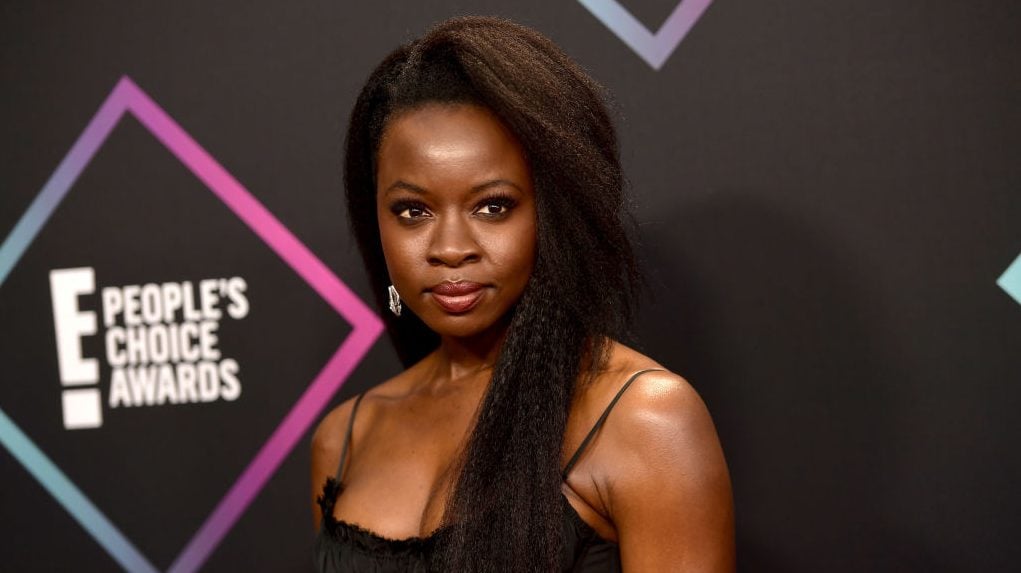
Danai Gurira occupies a singular space in entertainment: she is simultaneously a blockbuster action star, a television icon, and a Tony-nominated playwright. Her eight-year run as Michonne on AMC’s The Walking Dead—reprised in the spin-off miniseries The Ones Who Live—made her one of the most recognizable Black women on television. As Okoye, the fierce general of the Dora Milaje, she anchored the military leadership of Wakanda across multiple high-grossing MCU blockbusters.
But Gurira’s literary achievement may be her most enduring legacy. Her Tony-nominated play Eclipsed established a highly lucrative catalog of stage commissions across global theatrical institutions, generating royalties that operate independently of Hollywood’s cyclical economics.
Gurira’s Business Empire
Gurira retains significant executive control and financial upside as both creator and executive producer on television extensions of her literary and character universes. Her corporate integration includes anchoring a major multi-million dollar promotional campaign for Nissan during the Super Bowl—one of the most expensive advertising slots in global media.
Her revenue streams are heavily diversified across multi-season cable television contracts, theatrical salary pools, global playwriting royalties, and commercial brand deals—a portfolio model that insulates her from the volatility of any single income stream.
Net Worth: ~$5 million
Winston Duke | M’Baku
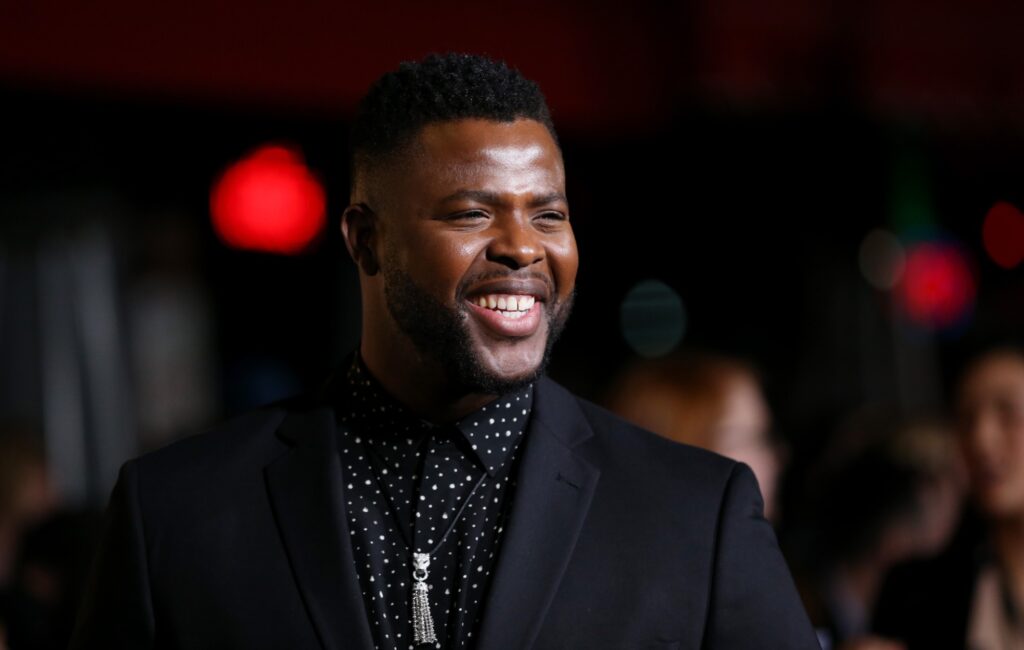
Winston Duke’s trajectory is perhaps the most accelerated on this list. Transitioning directly from the Yale School of Drama into a breakout performance as M’Baku in Black Panther (2018), Duke expanded past franchise boundaries with remarkable speed—starring in Jordan Peele’s box-office horror hit Us (2019) and headlining the independent drama Nine Days.
His brand strategy focuses on establishing deep structural longevity within studio system frameworks by parlaying recurring supporting roles into expanding character equity. As M’Baku’s role in the MCU continues to grow—particularly with the character’s elevated status following Wakanda Forever—Duke’s contractual leverage compounds with each appearance.
Winston’s Business Empire
Beyond the screen, Duke serves as a global ambassador for Partners in Health, strategically integrating social medicine initiatives with his global brand platform. His annual base income paces at over $1 million, driven by recurring MCU contractual updates and steady crossover casting in major studio action and horror titles.
Net Worth: $5–8 million
Don Cheadle | James “Rhodey” Rhodes / War Machine
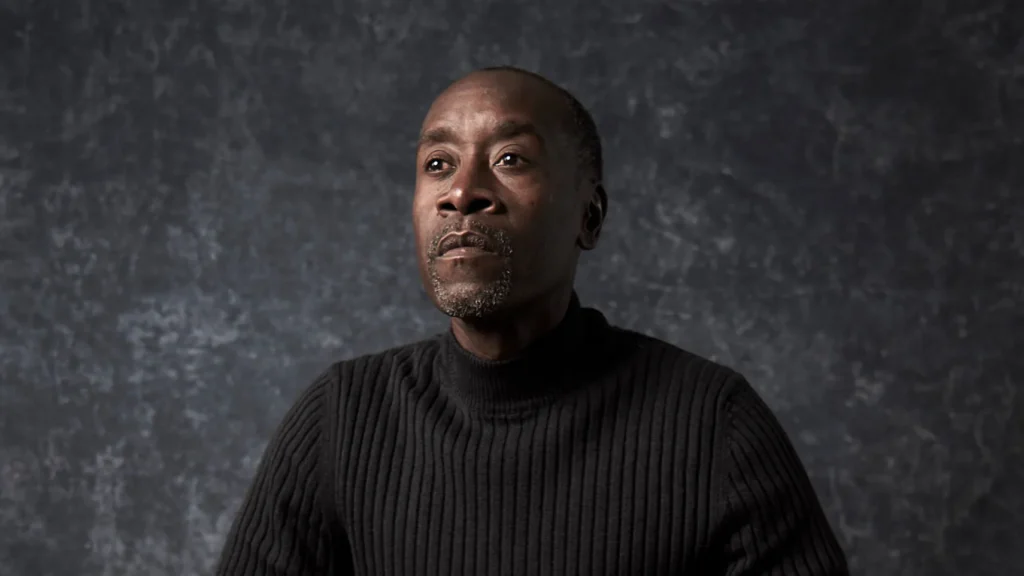
We saved one of the Avengers’ founding members for last. While Don Cheadle has yet to be confirmed for Avengers: Doomsday, few would be surprised if War Machine makes an appearance before the credits roll. But we won’t be surprise if he cameos. Few actors in Hollywood can claim the range, longevity, and behind-the-camera authority of Don Cheadle. With a career spanning over four decades and critical landmarks including Boogie Nights, Traffic, and the Oscar-winning Crash, Cheadle has been a fixture of prestige cinema since the 1990s. His Academy Award nomination for Hotel Rwanda (2004) cemented his status as a dramatic heavyweight, while multi-year Emmy recognition for Showtime’s House of Lies and Black Monday proved his television prowess.
But Cheadle’s MCU tenure—beginning with Iron Man 2 in 2010—represents something equally significant: a masterclass in franchise longevity. As Colonel James Rhodes, he has anchored the “War Machine” narrative across multiple phases of the MCU, transitioning from a $1 million baseline salary to an estimated $4 million – $7 million per appearance in late-stage ensemble films.
Cheadle’s Business Empire
Off screen, Cheadle operates with the precision of a studio executive. In 2019, he launched Radicle Act, a production company focused on creating TV and film content for all platforms. As part of the launch, Radicle Act signed an exclusive first-look deal with Industrial Media (American Idol) to produce television and digital programming.
“With the advent of Radicle Act, we hope to live up to the namesake and seed the landscape, producing new and exciting material across multiple platforms,” Cheadle stated at the company’s founding.
The company’s slate is ambitious: through Radicle Act, Cheadle set up the adaptation of the book Amari and the Night Brothers with Universal Pictures, producing alongside Mandeville and Genius Productions. He also secured rights to Image Comics’ Rogues’ Gallery. Mika Pryce joined as SVP and Head of Development, with a stated mission to “center marginalized voices of all kinds within these spaces.”
Eli Holzman, CEO of Industrial Media, noted: “In addition to being an immensely talented actor, Don is also an accomplished producer going back to the Academy Award-winning Crash and continuing with television hits like House of Lies and Black Monday. We feel privileged to have landed this deal with Don and Mika.”
Net Worth: ~$40 million
The Bigger Picture: Black Wealth in the Franchise Era
What unites these five performers is not merely their presence in the MCU’s most ambitious crossover event to date. It is their collective refusal to treat acting as a terminal career. Every member of this ensemble operates a production company, controls intellectual property, or has diversified into adjacent revenue streams that will outlast any single franchise cycle.
Don Cheadle’s Radicle Act is adapting children’s literature and comics. Anthony Mackie’s East Studios is producing prestige streaming content. Letitia Wright’s 3.16 Productions is directing festival-circuit cinema. Danai Gurira’s playwriting catalog generates passive income across global theatrical institutions. Winston Duke is building character equity that compounds with each MCU phase.
As Avengers: Doomsday prepares to dominate the global box office, the Black cast at its center will walk away with something far more valuable than opening-weekend numbers: ownership, infrastructure, and generational wealth.
The role is temporary. The legacy is built to last.