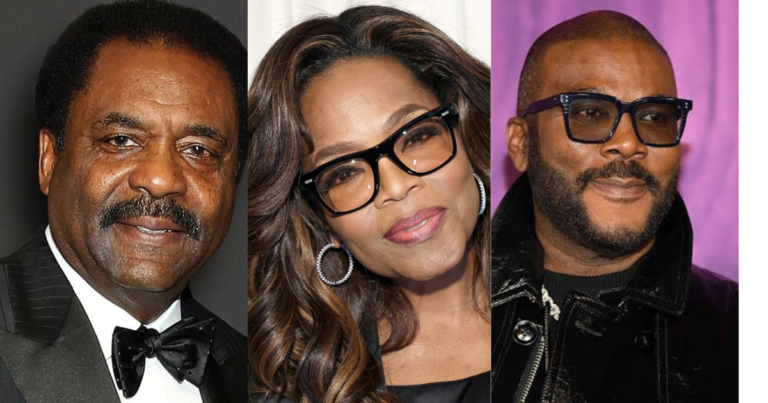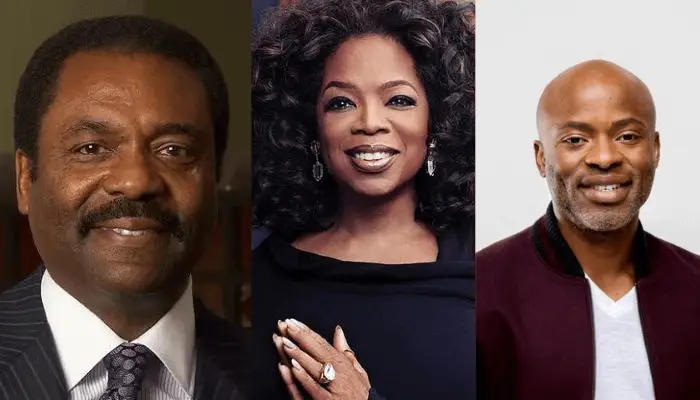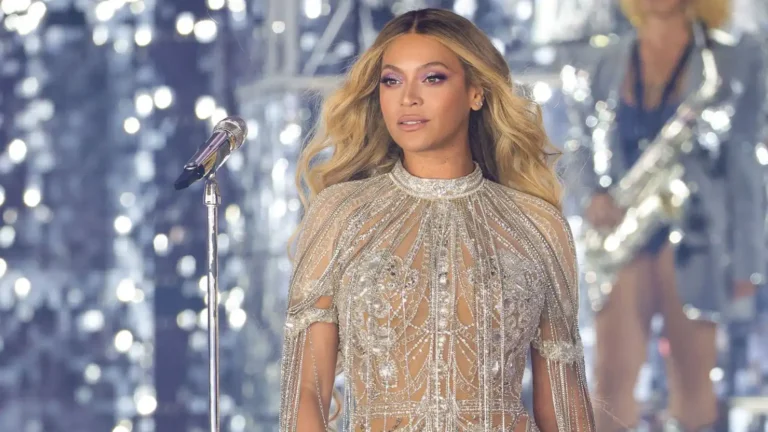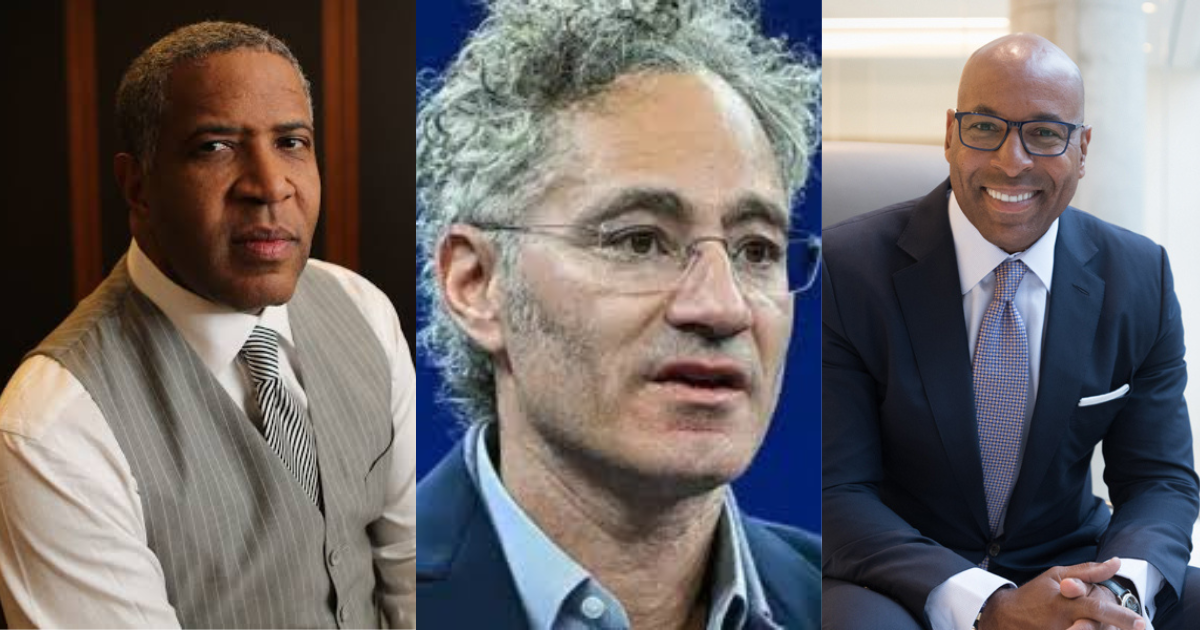
America’s 10 wealthiest Black citizens are worth an estimated $60.7 billion. Their fortunes show where large-scale wealth has accumulated. Karp’s is tied to Palantir shares. Steward built his through a privately held technology supplier. Smith’s came through private equity and enterprise software.
This ranking uses Forbes estimates recorded on September 18, 2026. It includes US citizens publicly identified as Black or African American. Forbes does not publish this exact racial ranking. Its individual estimates can change with share prices, transactions and new information about private assets.
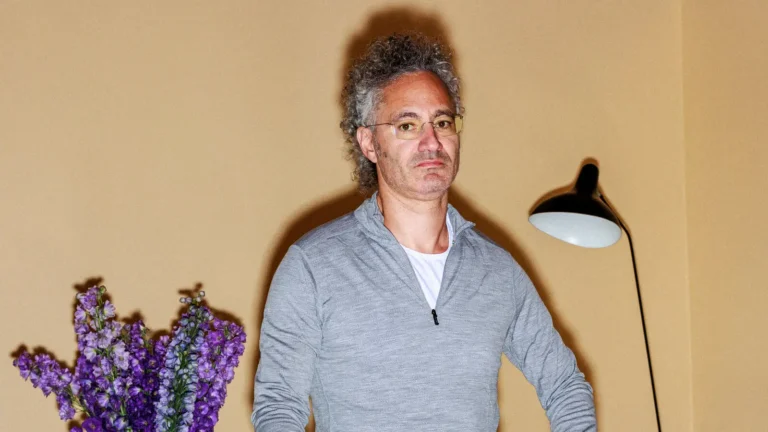
1. Alexander Karp, $18.7 billion
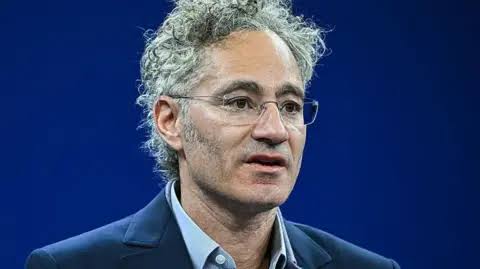
Alexander Karp’s fortune is closely tied to Palantir Technologies, the data company he co-founded in 2003.
Palantir became known for software used by intelligence, defence and law-enforcement agencies. The US Department of Defense and the FBI have been among its customers. The company also sells data-analysis and decision-making tools to commercial customers.
Palantir joined the New York Stock Exchange through a direct listing in 2020. Karp retained a large shareholding. As Palantir’s stock rose with investor interest in artificial intelligence and defence technology, so did the value of his stake. That makes his position unusually sensitive to the market. A large move in Palantir’s share price can change Karp’s estimated wealth by billions of dollars.
2. David Steward, $12.3 billion
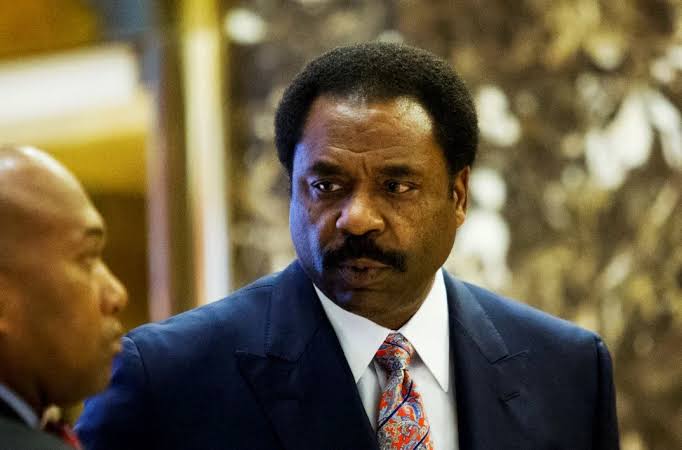
World Wide Technology is not publicly traded and is scarcely a household name. The company nevertheless generates about $20 billion in annual revenue and employs roughly 12,000 people.
David Steward co-founded WWT in 1990 as a technology reseller. It expanded into cloud computing, cybersecurity, networking, data centres and AI infrastructure, serving large corporations and government agencies.
Steward kept a substantial ownership interest as the company grew. Because WWT has no daily stock-market valuation, Forbes has to estimate the value of Steward’s stake using the company’s performance, ownership information and valuations of comparable businesses.
3. Robert F. Smith, $10.9 billion
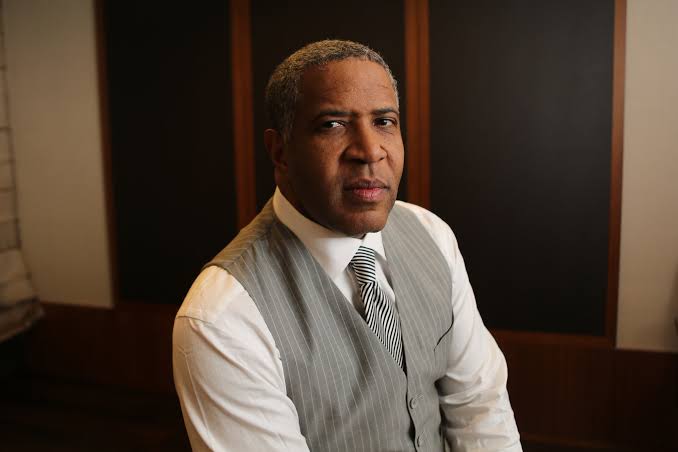
Robert F. Smith left Goldman Sachs and founded Vista Equity Partners in 2000. The firm focused on buying and improving enterprise-software companies.
Vista expanded into one of the largest software-focused investment firms, managing about $100 billion. Forbes says Vista has generated annualised returns of 31% since inception.
Smith owns part of the firm and participates in the profits generated by its investments.
We are only bound by the limits of our own conviction -Smith
4. Michael Jordan, $4.7 billion
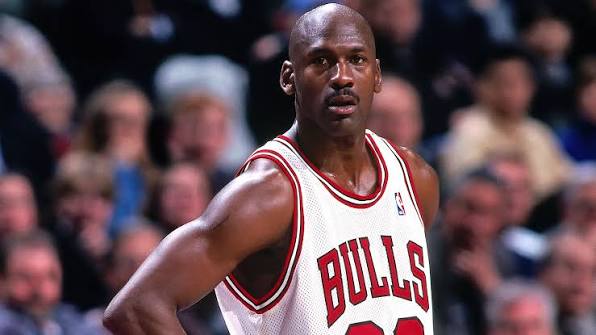
Michael Jordan earned about $90 million in NBA salary. His present fortune is more than 50 times that amount.
His first Nike contract, signed in 1984, reportedly guaranteed $500,000 a year plus royalties. Jordan Brand grew into a global sportswear business, and Forbes estimates that Nike now pays him close to $300 million a year.
Jordan bought control of the Charlotte Hornets for about $275 million in 2010. Thirteen years later, he sold his majority stake in a deal valuing the franchise at roughly $3 billion while retaining a minority interest.
I’ve failed over and over and over again in my life. And that is why I succeed -Jordan
5. Oprah Winfrey, $3.4 billion
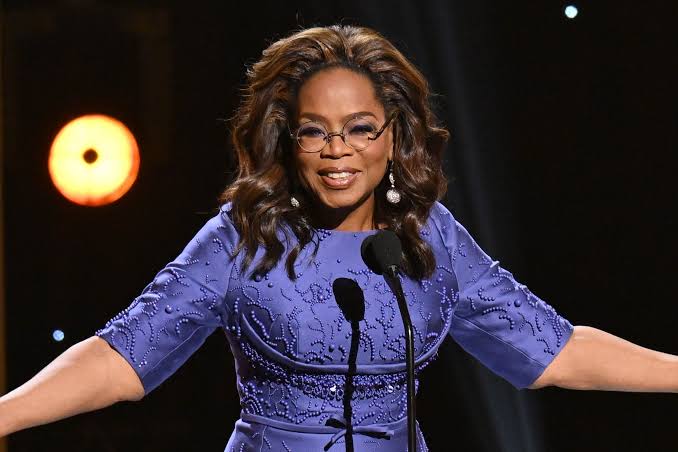
Oprah Winfrey spent 25 seasons hosting The Oprah Winfrey Show, but she also owned the company producing it. Harpo Productions owned and produced the programme, allowing Winfrey to collect production and syndication income that would otherwise have gone to a studio.
Forbes estimates that reinvested profits from the program and films including The Color Purple, Beloved and Selma exceed $2.8 billion. Winfrey launched OWN in 2011. She later exchanged most of her interest in the network for shares in what became Warner Bros. Discovery. She is the only woman in this top 10.
6. Jay-Z, $2.8 billion
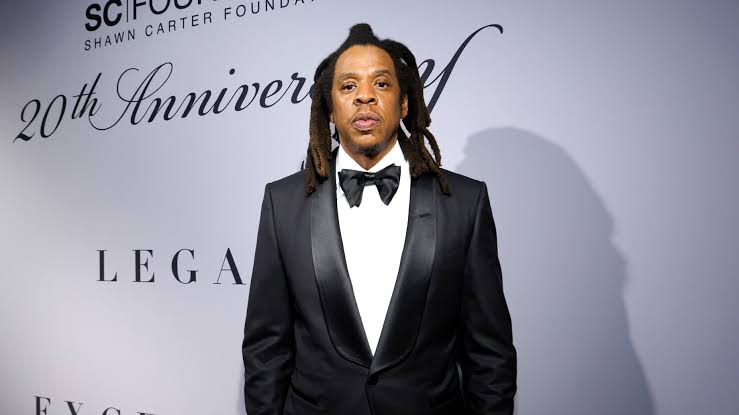
By the time Forbes declared Jay-Z hip-hop’s first billionaire in 2019, his wealth extended well beyond recorded music. LVMH bought 50% of Armand de Brignac, the champagne brand known as Ace of Spades, in 2021. Bacardi acquired a majority interest in his D’Ussé cognac business two years later.
His other assets include Roc Nation, his music catalogue, fine art and holdings in companies such as Block and Uber.
7. Adebayo Ogunlesi, $2.5 billion
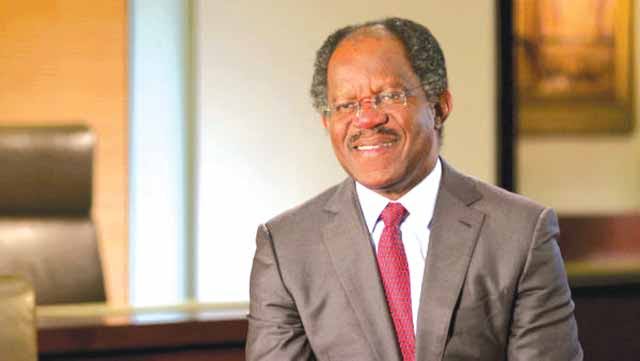
Adebayo Ogunlesi’s fortune grew substantially after BlackRock acquired Global Infrastructure Partners. The Nigerian-born lawyer and investment banker co-founded GIP in 2006 after 23 years at Credit Suisse. The firm invested in airports, energy and transport systems, digital networks, and water and waste assets.
GIP managed more than $100 billion before BlackRock completed the acquisition in October 2024. BlackRock paid approximately $12.5 billion: $3 billion in cash and about 12 million BlackRock shares. Ogunlesi remained GIP’s chairman and chief executive and became a senior managing director at BlackRock.
8. David Grain, $2.3 billion
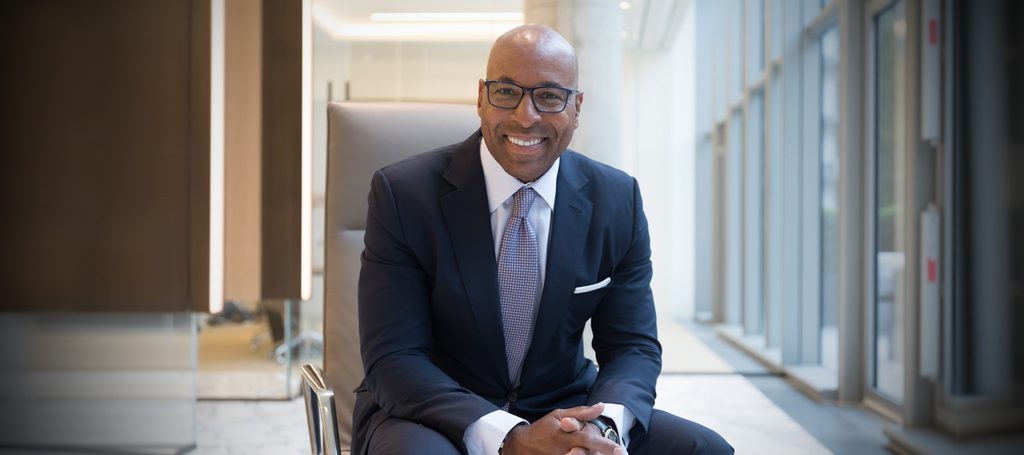
David Grain built his fortune around infrastructure used for mobile communications, broadband and cloud services. He took wireless-infrastructure company Global Signal from bankruptcy to a public listing before establishing Grain Management in 2007.
The private-equity firm has invested in assets including a 15-megahertz block in T-Mobile’s 800 MHz spectrum band and Quintillion, the fibre-optic network serving parts of Alaska.
9. Earvin “Magic” Johnson, $1.6 billion
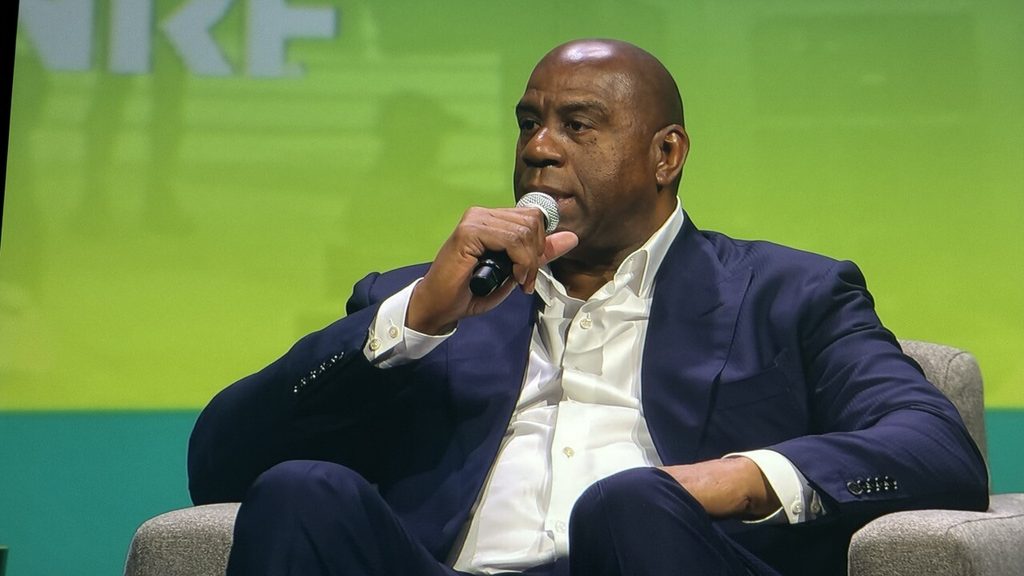
Magic Johnson’s roughly $40 million in NBA earnings represents only a small part of his current wealth. After basketball, he invested in cinemas, Starbucks franchises, property and healthcare. His largest asset is a 60% interest in life insurer EquiTrust.
Forbes reports that the insurer’s assets under management increased from about $16 billion when Johnson took control in 2015 to $33 billion. He also owns minority stakes in the Los Angeles Dodgers, Los Angeles Sparks, Los Angeles Football Club and Washington Commanders.
10. Tiger Woods, $1.5 billion
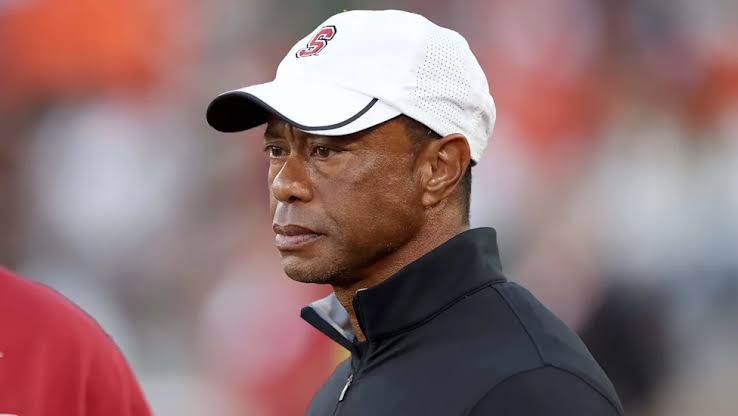
Tiger Woods collected about $121 million in PGA Tour prize money. Forbes estimates his career earnings before taxes and agents’ fees at nearly $2 billion.
Sponsorships account for much of the difference.
Nike, Rolex, Gatorade and other companies paid for associations with Woods. He later added a golf-course design business, the PopStroke miniature-golf chain and TMRW Sports, which he founded with Rory McIlroy.
TMRW launched the indoor team competition TGL in 2025.
Frequently Asked Questions
Can a billionaire’s net worth change from one day to the next?
Yes. A public stock price can move within minutes, changing the value of a billionaire’s holdings. Private-company fortunes tend to move more slowly because they are reassessed when there is new financial information, a funding round, an acquisition or a comparable transaction.
Why isn’t a Forbes net-worth figure an exact number?
Forbes is estimating the value of assets it can identify and subtracting known liabilities. That becomes harder when the assets include private companies, property, art or debts that are not publicly disclosed. The published figure is therefore an estimate, not an audited balance sheet.
If someone is worth $10 billion, do they have $10 billion in cash?
No. Most billionaire wealth is tied up in shares, private businesses, property and other assets. Turning those holdings into cash can involve taxes, affect the market price of publicly traded shares or require approval from other owners.