Most writing about Black wealth in America centers on people: the athlete who signed the deal, the founder who exited, the mogul with the portfolio. Far less of it asks where that wealth actually lives. The answer, in a lot of cases, is into some of the most compelling luxury real estate in the country — hillside streets in Los Angeles, golf-course suburbs outside Washington, a quiet village south of Chicago — neighborhoods that property coverage almost never names. Black money has been settling in these places for the better part of a century, behind gates and along ridgelines the market rarely thinks to look at.
None of it was accidental, either. Every one of these neighborhoods took shape because particular people, at particular moments, pushed their way past barriers built to exclude them — then bought, stayed, and raised families on streets the rest of the city assumed were closed to them.
The Hills Above Los Angeles
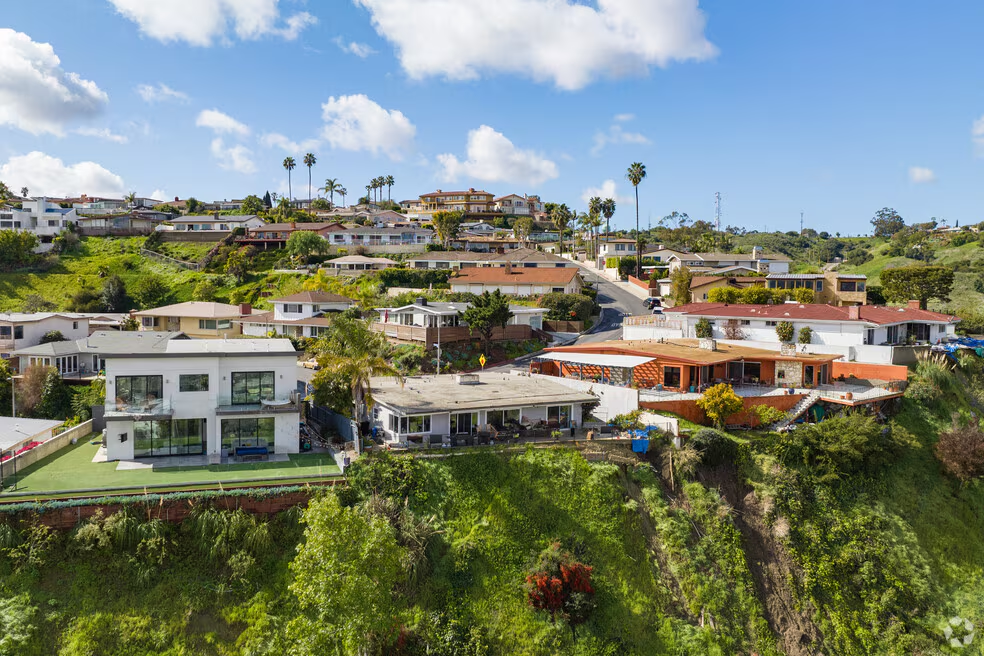
Drive the ridge road through Baldwin Hills, Ladera Heights, and View Park–Windsor Hills and it would be easy to miss what you’re passing. Mid-century houses, mature trees, quiet streets, good weather. On clear days, parts of the ridge look straight down at downtown. What doesn’t show from the road is that this stretch of Los Angeles has held one of the highest concentrations of affluent Black households in the United States since the middle of the last century.
Baldwin Hills earned the nickname “the Black Beverly Hills” honestly. Through the middle decades of the twentieth century, as redlining and restrictive covenants shut most of the city off, Black entertainers, executives, and professionals bought into these hills anyway — some through persistence, some through lawsuits — and built custom homes on streets with the best views in the city. Ray Charles lived up here. Tina Turner did too, for a time. Luxury real estate in the neighborhood now routinely trades well into seven figures.
A little further down the ridge, Ladera Heights never needed a nickname. Wide avenues, ocean air, no tour buses. Tech executives, attorneys, and athletes have been choosing it for years because it sits minutes from Silicon Beach without being inside it, and it has shown up for decades on lists of the highest-income Black communities in California. Baldwin Hills got the famous name. Ladera Heights got the appreciation, which is arguably the better end of the trade.
The most formally recognized of the three is View Park–Windsor Hills, whose historic district was added to the National Register of Historic Places in 2016 and is often cited as the largest majority-Black historic district in the country. The Spanish Colonial Revivals and Tudors there are old, well kept, and — the part that actually matters — many have stayed in the same families for two and three generations.
Many have stayed in the same families for two and three generations.
Inside the Luxury Real Estate Hubs Built by Black America
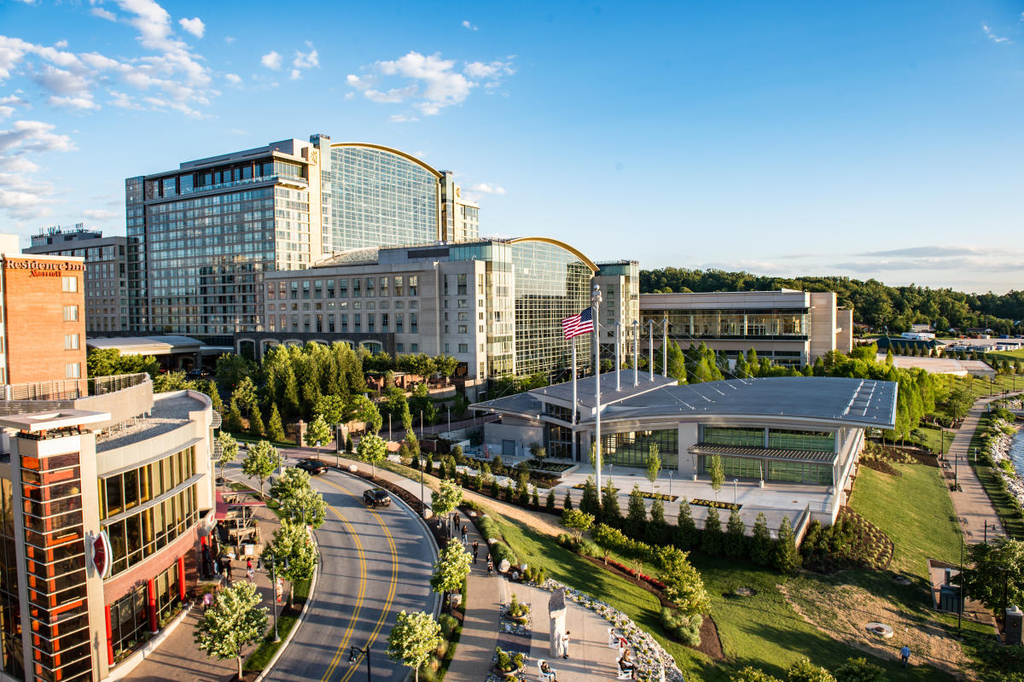
The geography changes on the other side of the country; the underlying story doesn’t. Prince George’s County, Maryland wraps around the eastern edge of Washington, D.C. and is regularly ranked as the wealthiest majority-Black county in the United States. The source of that wealth is different from California’s. Los Angeles’s enclaves grew out of entertainment money. Prince George’s County’s grew out of the federal government.
Federal agencies, government contractors, the military, and the broad professional class Washington runs on all spill over the county line, and the housing stock reflects it. Inside the county sits Woodmore, a gated community in Mitchellville built around a championship golf course — multi-acre lots, brick colonials, private security, and houses built by federal executives, surgeons, and professional athletes that would hold their own in any exclusive enclave in the country.
Along the Potomac, Fort Washington is the quieter version of the same money: waterfront and near-waterfront homes, cul-de-sacs, and a heavy population of senior defense and military people who want an easy commute into the city and silence when they get home. Bowie anchors the broader middle of it — top-tier schools, high homeownership, six-figure median household incomes, commercial corridors that actually work. Bowie is less dramatic than Woodmore and arguably more telling, because the whole point of the place is that nothing about it is unusual.
For an on-the-ground look at how the county developed — including tours through Bowie and Woodmore — the documentary Inside America’s Richest Black Suburbs is a good place to start.
Los Angeles’s enclaves grew out of entertainment money. Prince George’s County’s grew out of the federal government.
The Same Pattern South of Chicago
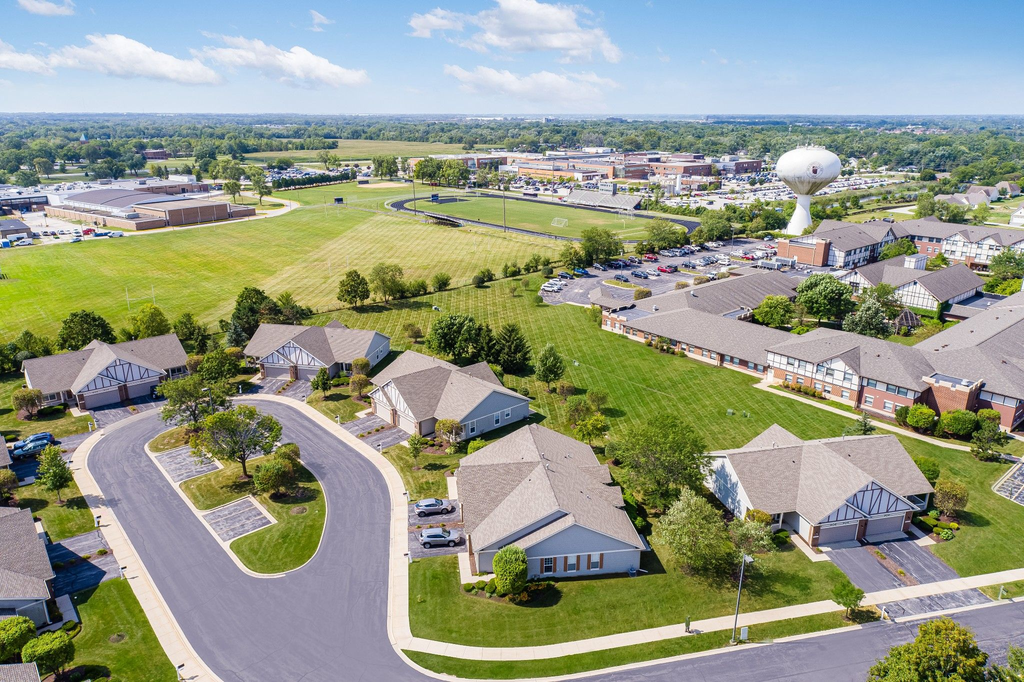
None of this is purely a coastal story, either. Olympia Fields, a village of a few thousand people about thirty miles south of downtown Chicago, grew up around one of the country’s famous golf clubs — Olympia Fields Country Club has hosted the U.S. Open — and over the past several decades became one of the most affluent majority-Black communities in the Midwest. The resident base reads like a hospital and corporate Chicago directory: surgeons, attorneys, executives. Homeownership runs among the highest in Illinois. Because it’s small and far from any coast, it almost never shows up in the trend pieces, which is exactly why it’s worth knowing about.
Nobody Stumbled Into These Neighborhoods
The common thread running through all of these places isn’t the price of the real estate. Each began the same way: somebody refused to accept that covenants, redlining, or convention would decide where they could live, bought in anyway, and stayed long enough for the decision to compound. The equity that started as an act of persistence became schools, functioning commercial corridors, and a standing expectation that the next generation would do at least as well as the last.
Generational wealth usually gets described in financial terms — accounts, portfolios, trusts. In these neighborhoods it has a physical form: the luxury real estate underneath everything, visible in streets and schools rather than in statements.