Rockefeller University’s August 6, 2026 announcement came with a striking number: 2,710. That is how many genes Erich Jarvis’s team found in the first fully phased, complete songbird genome that earlier assemblies had missed. The zebra finch reference gives other researchers a tool for studying vocal learning and evolution. Building a resource like that takes years of specialist work and institutional support.
That investment question runs through this list, from vaccine research and AI to energy systems and public technology. The people listed below are changing what their fields can do.
1. Dr. Kizzmekia Corbett-Helaire: Immunology and Vaccinology

Before joining Harvard, Corbett-Helaire worked at the National Institutes of Health. Her team designed the vaccine concept that became Moderna’s mRNA-1273. At Harvard, she studies how coronaviruses and other emerging viruses interact with human cells, research that can inform vaccines and antibody therapies.
Her 2026 Harvard profile of her TED Talk turns to a harder part of pandemic preparation: public trust. A vaccine can be developed quickly; answering people’s questions and earning their confidence takes different work.
2. Dr. Joy Buolamwini: Artificial Intelligence and Digital Ethics
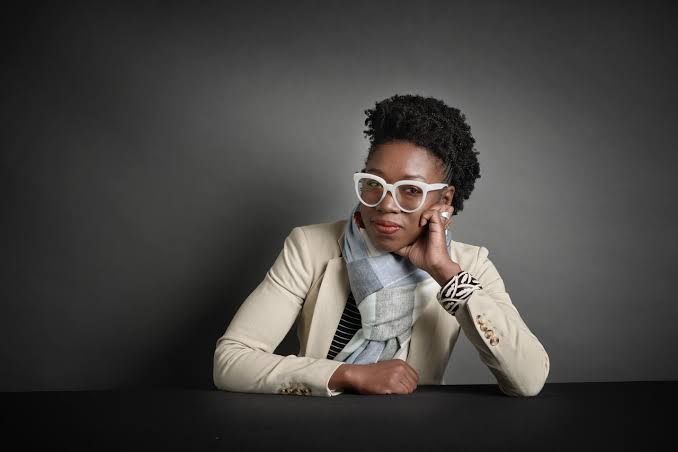
Buolamwini founded the Algorithmic Justice League after studying bias in facial-analysis systems. Her research helped bring disparities across race and gender into public debate and gave companies, policymakers and auditors evidence to examine.
The stakes now reach beyond face recognition. Employers, lenders and public agencies use automated tools to sort people and make decisions that can affect jobs, money and access to services. Buolamwini’s work keeps attention on who supplied the data, who tested the system and what a person can do when it gets them wrong.
3. Dr. Marian Rogers Croak: Engineering and Responsible AI
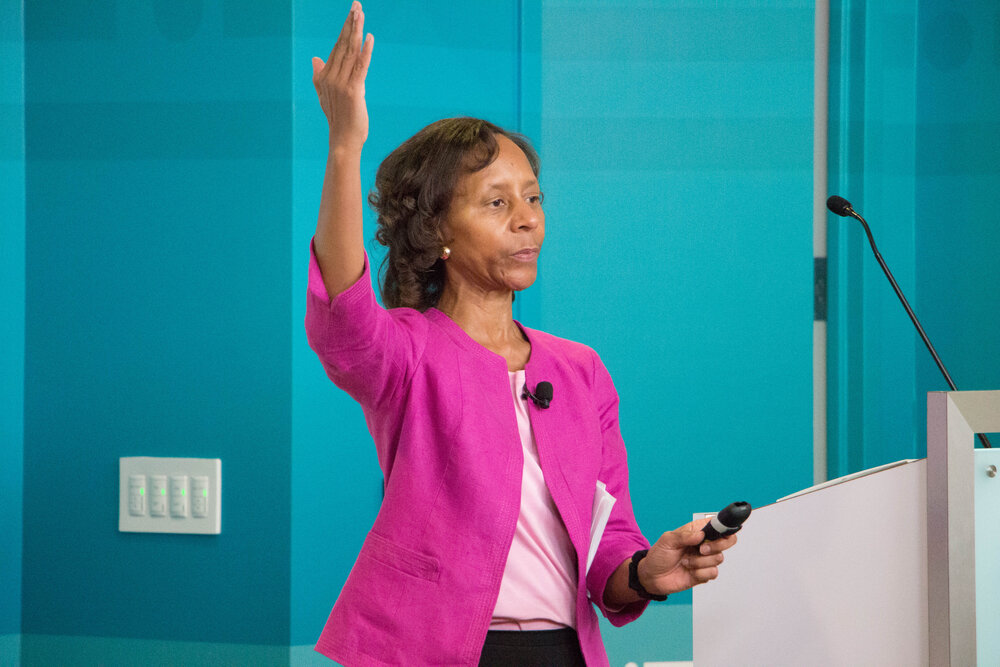
Croak’s career runs from communications networks to AI. She is an inventor on more than 200 patents, including work connected to voice-over-internet-protocol technology, and works at Google on human-centered AI and foundational machine learning.
Patent counts do not tell us who captured the commercial value of every invention. They do make Croak’s technical contributions part of the public record. The same engineering questions—how a system behaves, where it breaks and who is left out—follow her into AI.
4. Dr. Lisa D. Cook: Economics, Innovation and Financial Policy
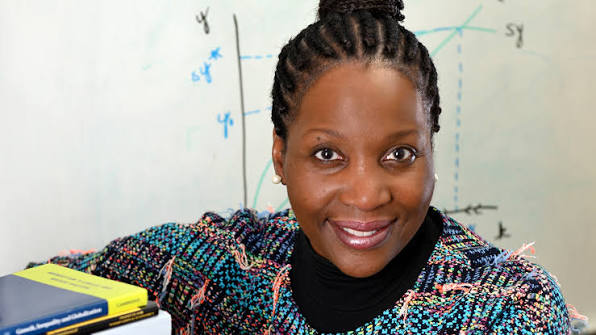
AI data centres need chips, software, construction workers and electricity. That demand can push up costs before the productivity gains arrive. Federal Reserve Governor Cook addressed those pressures in a May 2026 speech at Stanford, weighing possible long-term growth against nearer-term inflation.
Cook has also studied innovation and the historical barriers that kept Black Americans from inventing and patenting at the same rate as others. For her, the question of who participates in technological change is part of the economic story, not a separate diversity issue.
5. Dr. Kunle Olukotun: Computer Engineering and AI Hardware
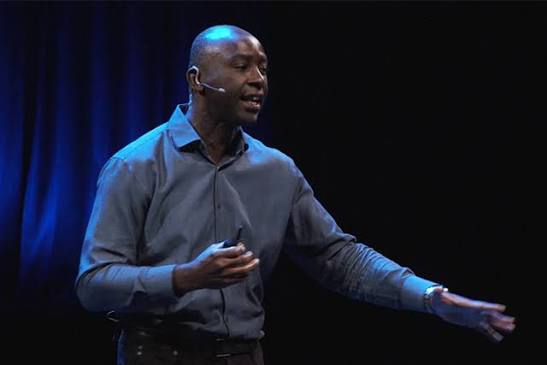
The current AI buildout depends on an older idea Olukotun helped advance: multicore computing. Instead of relying on one processor core to do everything faster, the design uses several cores to handle work in parallel. He is a Stanford professor and co-founder of SambaNova Systems, which develops hardware and software for AI workloads.
His story has already been covered by Blackelites.com, including the route from university research to commercial backing. That route matters in a field where access to capital and computing capacity can determine which technical ideas reach customers.
6. Dr. Raven Baxter: Molecular Biology and Science Communication
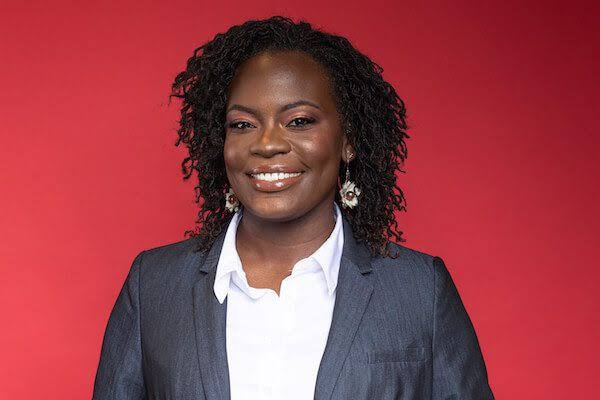
Baxter is known online as “Raven the Science Maven.” A molecular biologist and science communicator, she has built Fervae, a platform intended to help scientists share credible information and grow their audiences. The work sits between the lab and the feed: how does evidence reach people who are used to getting science in short, fast-moving posts?
For researchers, visibility can bring readers, collaborators and funding. It can also reward speed over accuracy. Baxter is trying to build a place for science communication where credibility is part of the product.
7. Dr. Erich D. Jarvis: Neurogenetics and Evolutionary Biology
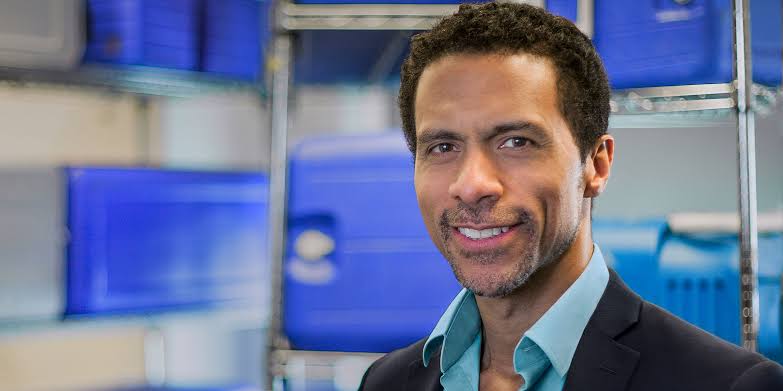
The zebra finch reference assembled by Jarvis’s team captures each chromosome from end to end and distinguishes the DNA inherited from each parent. Alongside the 2,710 newly identified genes, it resolves chromosome structures that earlier references could not show. Researchers can now examine the genetics of vocal learning with a more complete map.
“We can use this complete genome to interrogate the biology of vocal learning.” — Erich D. Jarvis
The reference is available for work beyond Jarvis’s lab. That is the quiet value of a research tool: another team can start with a stronger map instead of spending years rebuilding one.
8. Lisa Gelobter: Digital Technology and Civic Innovation
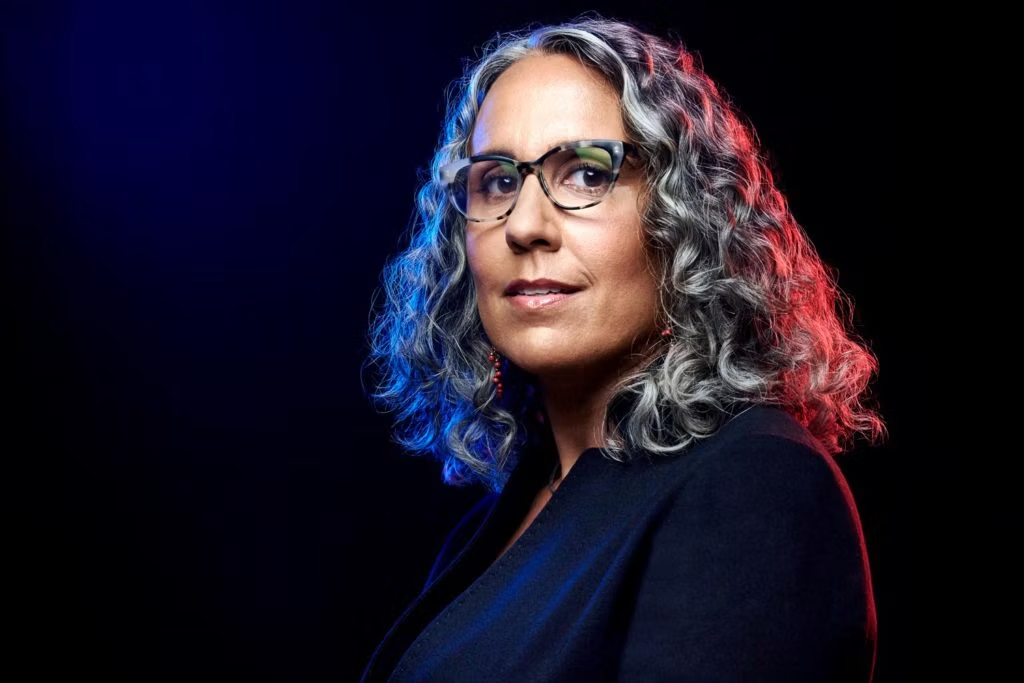
Gelobter’s technology career includes Shockwave, Hulu and online video. In February 2026, Mayor Zohran Mamdani appointed her New York City’s chief technology officer and commissioner of the Office of Technology and Innovation. The mayor’s announcement says she will oversee city technology infrastructure, cybersecurity and data management.
The systems under her remit are part of daily life for New Yorkers trying to reach city services. A sleek product launch is one thing; keeping public systems secure, accessible and dependable is a longer test.
9. Dr. Timnit Gebru: AI Research and Algorithmic Accountability
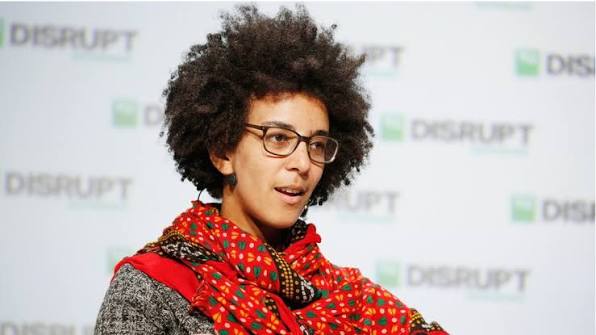
Gebru founded the Distributed AI Research Institute (DAIR) to study the effects of AI outside a technology company’s product roadmap. She and Joy Buolamwini co-authored the 2018 Gender Shades study, which documented accuracy gaps in commercial facial-analysis systems. Their work helped put a concrete measure on a concern that had often been treated as theoretical.
At DAIR, Gebru’s work examines data, labor and the concentration of power in AI development. She has argued that people affected by these systems should have a hand in imagining what gets built.
“We need to let people who are harmed by technology imagine the future that they want.” — Dr. Timnit Gebru
10. Dr. Gilda A. Barabino: Biomedical Engineering and Sickle Cell Research
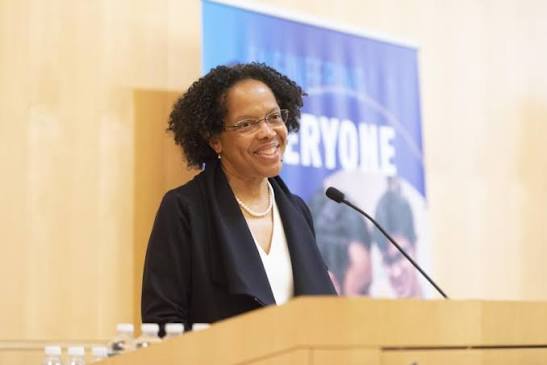
Barabino applies engineering to biological problems, including sickle cell disease and tissue damage. She is a professor of biomedical and chemical engineering and formerly served as president of Olin College of Engineering. Her research looks at how cells respond to mechanical forces and how that knowledge might inform treatment.
Sickle cell disease has long affected Black communities. Turning a laboratory finding into better care still requires funded research, clinical testing and access for patients. Barabino has worked on both sides of that chain—as a researcher and as a leader of institutions that train engineers.
11. Dr. Hadiyah-Nicole Green: Medical Physics and Cancer Research
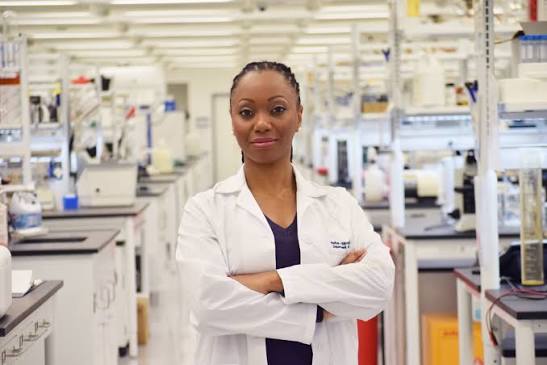
Green developed Laser-Activated Nano-Therapy, which uses laser light to activate nanoparticles directed at tumors. In 2026, the U.S. Department of Veterans Affairs listed a funded safety-assessment project studying the approach for cutaneous squamous cell carcinoma. Her foundation is raising money to move toward human trials.
The therapy remains under research; it is not an established cancer treatment. Green’s work has reached the testing stage, but patients will need clinical evidence before doctors can know whether it is safe and effective for them.
12. Jessica O. Matthews: Sustainable Infrastructure and Energy Technology
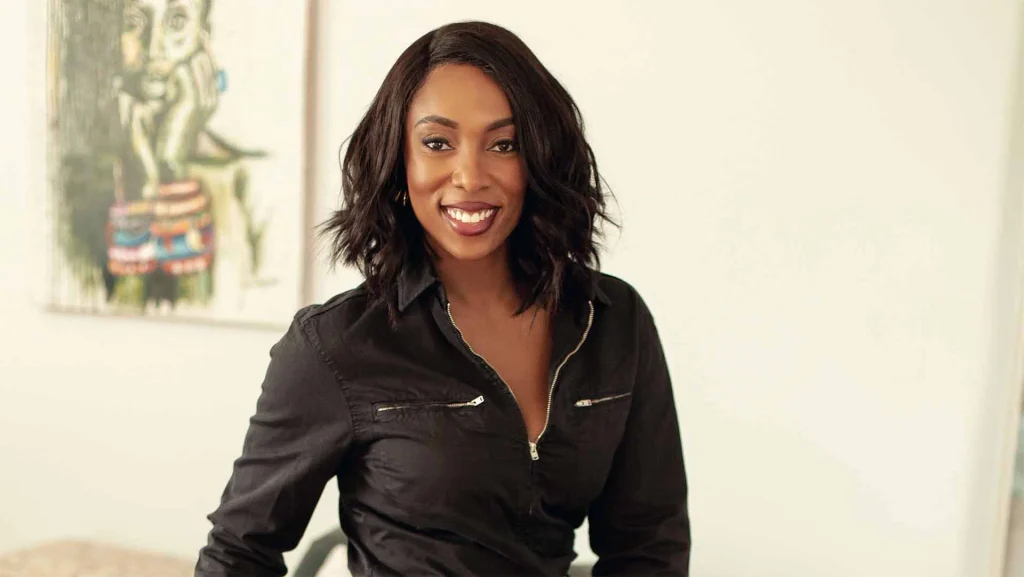
Matthews started with SOCCKET, a soccer ball designed to generate energy through play. Uncharted later moved toward industrial power and infrastructure, with work involving energy, data and smart-city systems. The shift took the company from one consumer product toward the networks that keep communities operating.
That market is less visible and harder to enter. Cities and utilities need systems they can install, maintain and pay for over time. Matthews’s career has followed the problem from an inventive object to the infrastructure around it.
What Happens After the Discovery
Jarvis’s genome is already a resource other researchers can use. Green’s therapy still needs clinical testing. Gelobter now oversees public systems whose value will show up in whether residents can depend on them. These are different kinds of work, with different clocks and different routes to impact.
For Black Americans, the questions behind them are familiar: who gets research funding, who owns the resulting technology, and whose needs shape its design? The answers are found in grant decisions, patents, procurement and public oversight as much as in the lab.
FAQs
Who is the best-known Black scientist on this list?
Kizzmekia Corbett-Helaire is widely known for her role in research that informed Moderna’s COVID-19 vaccine. The list also includes people whose work influences AI, computing, biomedical engineering, economics, civic technology and energy infrastructure.
What did Erich Jarvis’s team discover in 2026?
The team assembled the first fully phased, telomere-to-telomere songbird genome. Its zebra finch reference identified 2,710 genes missing from earlier assemblies and gives researchers a more complete resource for studying vocal learning and evolution.
What is the Algorithmic Justice League?
Founded by Joy Buolamwini, the Algorithmic Justice League uses research, advocacy and public education to examine AI’s social effects and press for fairer, more accountable systems.
What is Lisa Gelobter doing in 2026?
Gelobter became New York City’s chief technology officer and commissioner of the Office of Technology and Innovation in February 2026. Her responsibilities include the city’s technology infrastructure, cybersecurity and data management.
Has Hadiyah-Nicole Green’s cancer therapy been proven in people?
No. The draft describes funded safety research and fundraising for human trials. Those steps do not establish safety or effectiveness in people; clinical testing and review are needed before the therapy could be offered as treatment.
Why include business analysis in a feature about scientists?
Research needs funding, institutions, testing and a route to users. Those conditions affect which discoveries advance, who owns the technology and whether communities can benefit from it.