When the Greenville County Coroner’s Office ruled Hayden Panettiere’s death accidental, the toxicology finding highlighted a dangerous multi-substance combination: fentanyl, 4-ANPP, alprazolam, methocarbamol, and quetiapine. While fentanyl is a potent synthetic opioid, the inclusion of quetiapine (sold as Seroquel) points to a critical medical reality: how secondary prescription drugs and central nervous system depressants compound the fatal risks of illicit opioids.
Understanding Panettiere’s case—and how it compares to high-profile deaths like those of Michael Jackson, Whitney Houston, Prince, Coolio, and Shock G—requires looking closely at how mixed-substance toxicology actually works.
What the Coroner Found in Hayden Panettiere’s Death
Fentanyl is a synthetic opioid. Alprazolam, also sold as Xanax, is a benzodiazepine. The US Food and Drug Administration warns that combining opioids and benzodiazepines can cause severe sedation, dangerously slowed breathing and death. That warning explains a known risk of the combination; it cannot establish precisely what happened in Panettiere’s case.
Methocarbamol is a muscle relaxant. Quetiapine, also sold as Seroquel, has several medical uses, including treatment for serious mental health conditions. Its appearance in Panettiere’s toxicology finding does not establish whether it was prescribed to her, why she may have taken it or how much it contributed to the fatal effects.
The fifth name, 4-ANPP, needs particular care. It is a chemical associated with fentanyl and a known precursor used in fentanyl production. Its inclusion in a list of findings should not be turned into a claim that Panettiere knowingly took five separate drugs.
What Remains under Investigation
An accidental ruling describes the manner of death. It does not answer where the substances came from, whether they were taken separately, or what Panettiere believed she was taking.
The family’s publicist, Kasey Kitchen, told the Associated Press that the investigation was ongoing and the case was complex. The AP also reported that Panettiere had left a rehabilitation facility weeks before her death and that Brian Hickerson showed an officer a bag of medication she had been taking. Neither detail establishes which substances she knowingly consumed on August 16.
Panettiere had spoken publicly about addiction and treatment during her life. Those accounts deserve to be reported accurately, but an earlier interview cannot fill gaps in the evidence about her final hours.
Black Icons Who Died from Drug Overdose
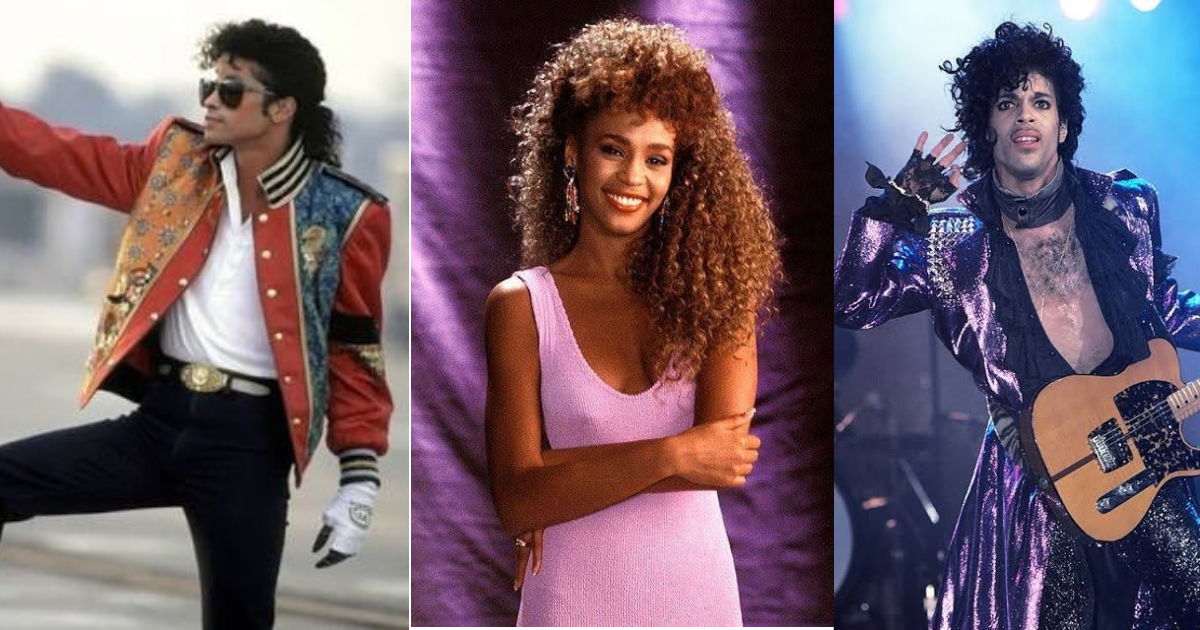
While each case involves distinct circumstances, Panettiere’s death joins a long line of high-profile cases—including Michael Jackson, Whitney Houston, Prince, Coolio, and Shock G—that highlight the lethal complexity of mixed-substance toxicity.
Michael Jackson died from acute propofol intoxication, with a benzodiazepine effect also cited. His death was ruled a homicide and involved the administration of an anesthetic. His case demonstrates that the presence of more than one substance does not necessarily mean each substance carried equal responsibility for the death.
Whitney Houston’s recorded cause of death was accidental drowning. Heart disease and cocaine use were contributing factors. Her case is another example of why a substance detected in toxicology should not automatically be described as the cause of death.
Prince died from fentanyl toxicity, and his death was ruled accidental. Fentanyl is the clearest point of overlap with Panettiere’s case, although the circumstances surrounding the two deaths were different.
Coolio died from the effects of fentanyl, heroin and methamphetamine. The medical examiner ruled his death accidental and also identified significant health conditions. His case involved several substances being considered in the final determination, as does Panettiere’s.
Shock G had a different combination of substances reported in his death investigation, including fentanyl, alcohol and methamphetamine. The specific findings in his case cannot be used to explain what happened to Panettiere.
Frequently Asked Questions
What is quetiapine and how does it interact with opioids like fentanyl? Quetiapine (sold under the brand name Seroquel) is an atypical antipsychotic commonly prescribed for mood disorders and sleep management. When combined with synthetic opioids like fentanyl or benzodiazepines like alprazolam, quetiapine acts as a central nervous system depressant, significantly increasing the risk of severe sedation, slowed breathing, and fatal respiratory failure.
Why was quetiapine listed in Hayden Panettiere’s toxicology report? Quetiapine was identified alongside fentanyl, alprazolam, methocarbamol, and 4-ANPP in the official toxicology findings from the Greenville County Coroner’s Office. Its inclusion confirms the substance was present in her system at the time of death, contributing to a fatal multi-substance toxic effect rather than acting as an isolated cause.
Is 4-ANPP a separate drug in a multi-drug overdose finding? No. 4-ANPP (despropionyl fentanyl) is a chemical precursor used in the illicit manufacturing of fentanyl and a recognized byproduct of its metabolism. Its appearance in a toxicology report indicates the presence of fentanyl, not that a person knowingly ingested a separate standalone drug.
How does Hayden Panettiere’s toxicology report compare to other high-profile celebrity cases? Panettiere’s toxicology findings align with high-profile cases like those of Prince, Coolio, Shock G, Whitney Houston, and Michael Jackson, where fatalities stemmed from poly-substance toxicity or dangerous interactions between primary drivers (such as fentanyl or propofol) and secondary sedatives or prescription medications.