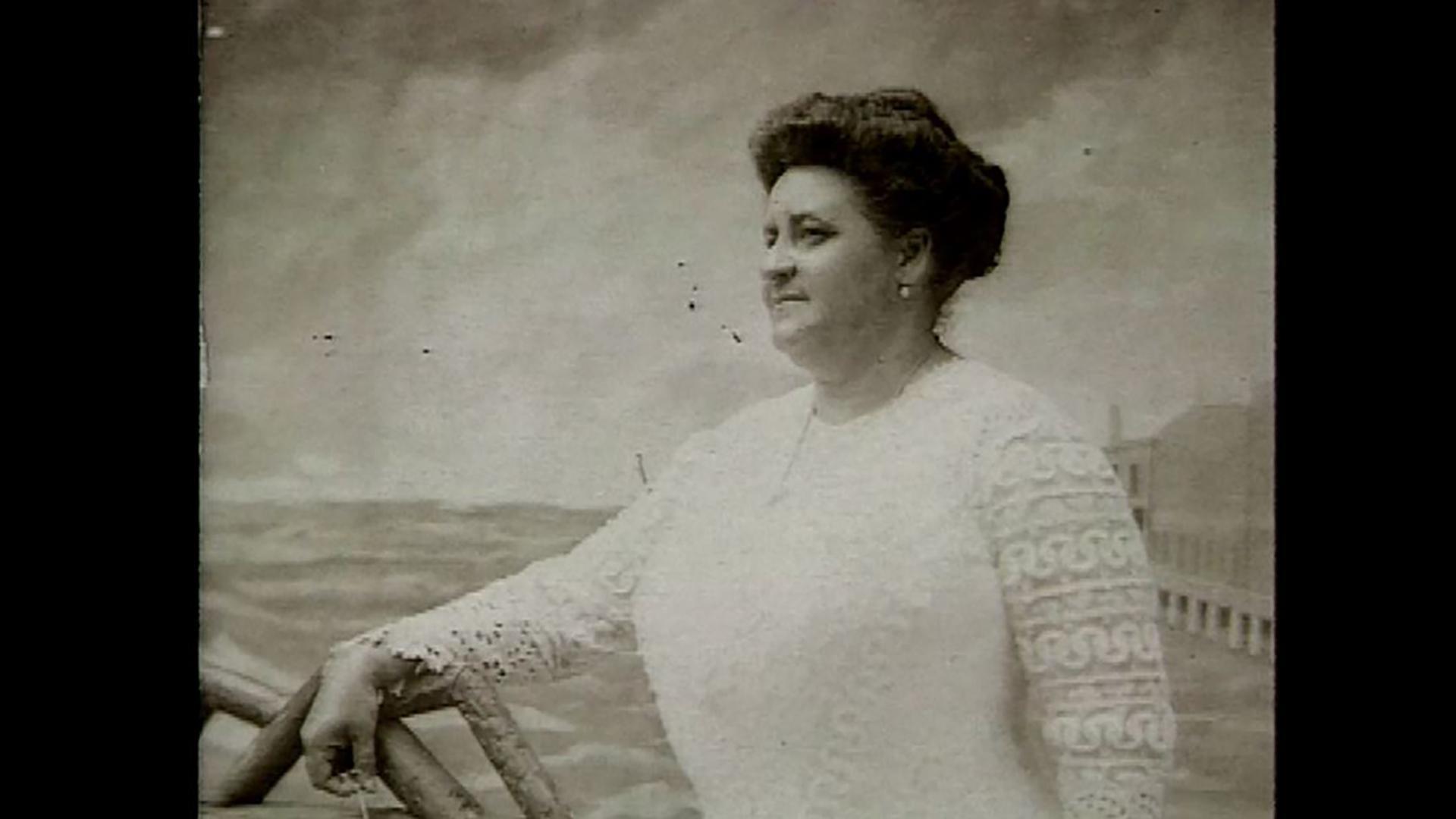
On November 2, 1903, customers brought their savings to a new bank in Richmond, Virginia. One opened an account with 31 cents. By closing time, St. Luke Penny Savings Bank had received 280 deposits totaling more than $8,000. Its founder, Maggie Lena Walker, had hoped for a much larger opening day. Still, the money came from people willing to trust an institution built to serve them.
Maggie Lena Walker had spent years preparing for that morning. She led a fraternal organization with councils that could recruit members and raise funds. She established a newspaper to reach them. Next came the bank and a department store intended to employ Black women and serve Black customers. Together, these ventures formed her answer to a practical question: how could Black Richmonders turn what they earned and spent into businesses, credit and property they controlled?
Walker presented the plan to the Independent Order of St. Luke in 1901. She knew that racial prejudice limited where Black residents could work and borrow. Building an alternative would require customers, capital and managers who could keep the books sound.
Maggie Lena Walker Built a Customer Network First
Walker became the order’s highest-ranking officer in 1899, when it faced financial trouble. Its members paid into a mutual support system that included benefits for illness and death. Local councils gave people a place to meet and conduct the order’s business. Under Walker, membership doubled within two years, according to the National Park Service.
Those councils gave her proposed ventures a head start. A new bank could approach members who already knew the order. A newspaper could reach readers through the same network. When plans for St. Luke Penny Savings Bank advanced, Walker urged councils to open accounts and buy shares; she asked individual members to deposit money too. The order’s executive committee became the bank’s first board.
None of that removed the work of running a bank. The order had to persuade members to put savings at risk in a new institution and then manage those savings responsibly. Walker studied banking procedures at Merchants National Bank in Richmond before St. Luke opened. She paired an established customer network with preparation for a business the order had never operated.
The Bank Put Small Savings to Work
Black-owned banking had a history in Richmond before Walker entered the field. The United Order of True Reformers received a bank charter in 1888, and other Black banks followed. Their existence reflected a persistent gap in the market: prejudice restricted Black borrowers’ access to loans, while some white-owned banks would not accept Black depositors at all. Walker built St. Luke Penny Savings Bank within that wider effort.
Virginia approved its charter on July 28, 1903. On opening day, customers arrived with deposits large and small. Walker later distributed small savings banks to children; once they had collected 100 pennies, they could open an account. The exercise taught saving, but it also brought another generation of customers into the bank.
Walker’s aim went beyond collecting money. She wanted the order’s members to pool their resources and share in the returns when those resources were lent.
Let us put our moneys together; let us use our moneys; let us put our money out at usury among ourselves, and reap the benefit ourselves. — Maggie Lena Walker
The bank’s mortgage record shows what that meant for some customers. By 1920, it had issued more than 600 mortgages to Black families, according to the National Park Service. A loan did not guarantee wealth: a borrower still had to repay it. It did, however, offer a route to homeownership that discriminatory lending practices made harder to reach elsewhere.
This is the strongest evidence for Walker’s wealth-building argument. Deposits gave the bank funds to lend. Credit helped customers purchase homes. Property could remain with a family long after a particular job or year’s income had passed.
The St. Luke Herald Connected the Ventures
The St. Luke Herald began publishing on March 29, 1902, more than a year before the bank opened. It reported news from the order’s councils, explained its benefits and promoted its businesses. St. Luke’s printing operation also took paid work from others in Richmond, so the press served customers outside the organization.
Walker saw the newspaper as a means of keeping a growing organization in contact with its members. It could tell councils what the leadership was doing and give members a regular account of the ventures asking for their money. The Herald had 4,000 subscribers by 1916 and 6,000 by 1924. Those figures measure its reach, though they do not establish how many readers became bank customers.
Its pages also addressed the conditions in which St. Luke operated. The paper challenged efforts to strip Black Virginians of voting rights and supported protests against segregated streetcars. Walker’s businesses served people whose choices about where to work, travel and shop were shaped by discriminatory law and practice. The newspaper gave them a way to communicate and organize as well as advertise.
The Store Exposed a Weak Point
Walker and other women of the order opened the St. Luke Emporium in April 1905. Black women ran the department store, which sought Black customers and offered jobs in retail. The bank later occupied space in the same Broad Street property. Walker hoped spending at the store would support another Black-owned enterprise alongside the bank and newspaper.
The emporium struggled from the start. White retailers opposed it, sales remained too low, and the store closed in November 1911. National Park Service archival records say it could not remain solvent without support from the order’s insurance treasury after regulatory changes. Stockholders voted to shut it and assume its debts.
Its closure deserves as much attention as the bank’s success. Members might believe in buying from a Black-owned store and still take their custom elsewhere because of price, selection, convenience or pressure from white merchants. The available record identifies low sales and opposition; it cannot assign each customer’s reason for shopping elsewhere.
The store also placed demands on funds collected for other purposes. Continuing to support it from an insurance treasury would have exposed members to the costs of a venture that could not cover its own. Closing the emporium protected the wider organization from carrying those losses indefinitely.
Walker Chose Consolidation as Banking Conditions Changed
St. Luke Penny Savings Bank continued after the store closed. It passed the state examination introduced in 1910, a year when regulators shut the True Reformers Bank following problems that included unsecured loans and weak operations. That failure hurt depositors and confidence in Richmond’s Black banks. St. Luke faced its own pressures later: competitors entered the market, growth slowed, and by 1928 its resources stood below their 1926 level.
In 1929, Walker initiated merger talks with Second Street Savings Bank and Commercial Bank and Trust. Commercial Bank withdrew from those discussions. St. Luke and Second Street agreed to combine, and Consolidated Bank and Trust opened on January 2, 1930. Commercial Bank joined later. Walker chaired Consolidated’s board until she died in 1934.
We did not know much about banking, but we had confidence in ourselves, and we gradually overcame the many obstacles that faced us. — Maggie Lena Walker
Her account of the bank’s early years carries more weight when read alongside that merger. Walker had built a bank from an organization whose members learned the business as they went. When its resources weakened, she helped combine it with another institution to protect its future. Consolidated survived the Great Depression and remained independently Black-owned until its purchase in 2005.
Walker’s record gives founders and investors several ways to judge whether an enterprise builds lasting wealth. Can it gather capital from people it serves? Can it extend credit without endangering their savings? Does it create useful work? Can it pay its own costs and survive a change in leadership?
Walker answered through institutions she could build and test. The emporium failed. The newspaper reached thousands. The bank helped finance hundreds of homes and endured through consolidation. Her legacy rests in those results, including the decisions required when part of the plan did not work.
Frequently Asked Questions
Who was Maggie Lena Walker?
Maggie Lena Walker was a Richmond business leader who headed the Independent Order of St. Luke. She founded St. Luke Penny Savings Bank and became the first Black woman in the United States to charter and serve as president of a bank. She also established the St. Luke Herald and helped open a department store.
When did Maggie Lena Walker open St. Luke Penny Savings Bank?
The bank opened on November 2, 1903, after Virginia approved its charter that July. It received 280 deposits totaling more than $8,000 on its first day. Walker had already used the Independent Order of St. Luke’s councils to encourage members to buy shares and open accounts.
How did Walker’s bank support Black wealth creation?
It accepted savings and made loans to Black customers who faced discrimination from other banks. By 1920, St. Luke Penny Savings Bank had issued more than 600 mortgages to Black families. Those loans gave borrowers a way to purchase homes, provided they could meet their repayment obligations.
Why did Walker establish the St. Luke Herald?
Walker needed a reliable way to communicate with St. Luke councils and members as the organization expanded. The paper reported on the order, promoted its ventures and covered civil rights issues affecting its readers. It began as a weekly in 1902 and had 6,000 subscribers by 1924.
Why did the St. Luke Emporium fail?
The store faced opposition from white retailers and struggled to generate enough sales. National Park Service archival records say it could not remain solvent without support from the order’s insurance treasury after regulatory changes. Its stockholders voted to close it in November 1911 and assume its debts.
What happened to Walker’s bank during the Great Depression?
Walker initiated merger talks in 1929. St. Luke Penny Savings Bank combined with Second Street Savings Bank, and Consolidated Bank and Trust opened in January 1930. Another Black-owned bank joined later. Walker chaired Consolidated’s board until 1934; the bank survived the Depression and remained independently Black-owned until 2005.