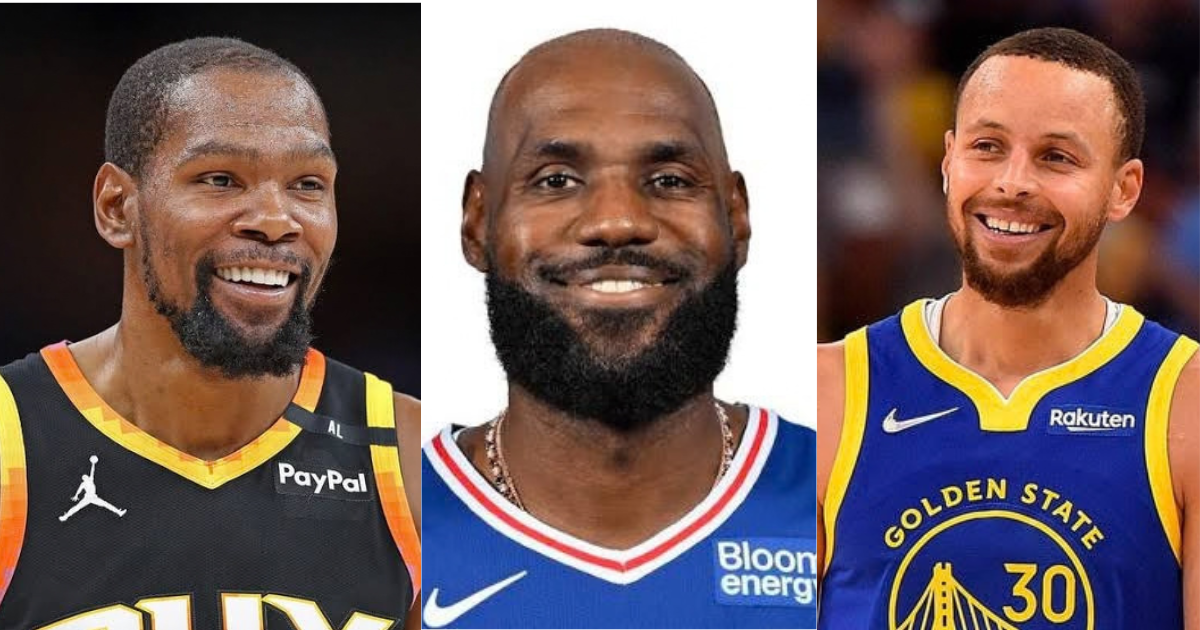
When Forbes published its 2026 ranking of the world’s highest-paid athletes, four Black athletes appeared in the global top 10: LeBron James, Stephen Curry, Kevin Durant, and Lewis Hamilton. Their estimated earnings totaled $466.3 million for the 12 months ending May 1, 2026. James alone accounted for $137.8 million of that sum.
The figures show different routes to commercial income. James and Curry earned more off court than through competition. Micah Parsons’ total came overwhelmingly from football. Durant has paired his playing career with investments and media ventures, while Hamilton’s racing earnings remained his largest source.
This feature uses Forbes’ global ranking to identify the ten highest-earning Black athletes on the list. Forbes ranks athletes by estimated earnings, not race. Its figures measure gross income during a defined period, before taxes and agents’ fees—not net worth or what an athlete ultimately retains.
What the 2026 Earnings Figures Measure
Forbes tracked earnings from May 1, 2025, through May 1, 2026. Its estimates combine salaries, bonuses, and prize money with off-field income from sponsorships, appearance fees, licensing, and memorabilia. They also include qualifying cash returns from businesses and payouts from equity stakes sold during the period. Interest and dividends are excluded. These figures are estimates, not audited statements of each athlete’s personal finances.
The ten highest earners in this group were:
- LeBron James: $137.8 million
- Stephen Curry: $124.7 million
- Kevin Durant: $103.8 million
- Lewis Hamilton: $100 million
- Giannis Antetokounmpo: $99.2 million
- Micah Parsons: $86.4 million
- Patrick Mahomes: $84.7 million
- Jayson Tatum: $82.2 million
- Lamar Jackson: $73 million
- Shai Gilgeous-Alexander: $69.3 million
James earned an estimated $52.8 million from playing and $85 million off court. Curry’s split was $59.7 million and $65 million; Durant’s, $54.8 million and $49 million. Hamilton earned $70 million from racing and $30 million off track. The mix matters: playing contracts, promotional agreements, and equity stakes carry different terms and risks.
LeBron James Makes His Name an Asset
James ranked fourth worldwide and led the Black athletes identified here. His $85 million off-court estimate exceeded his $52.8 million from playing. His commercial portfolio includes partnerships with DraftKings, Hennessy, and Richard Mille, as well as an interest in Fenway Sports Group (FSG), parent company of the Boston Red Sox and Liverpool Football Club.
In 2021, James and business partner Maverick Carter joined FSG’s ownership group through a transaction involving RedBird Capital. James’ earlier direct interest in Liverpool was exchanged as part of the arrangement. The resulting stake connects him to a holding company with several sports assets; it does not give him direct operational control of an individual team.
In a 2008 interview with The Guardian, James described wanting a more active role in his business:
I wanted to grow and have more of a hands-on thing with my own business. I wanted to take control of that business. — LeBron James
The interview came years before his FSG investment, but the distinction remains useful. An endorsement pays an athlete to promote a product under agreed terms. Ownership ties potential returns to a company’s performance and value. It can also be harder to sell than publicly traded shares. James’ $85 million off-court estimate measures income during Forbes’ reporting period, not the full value of his investments.
Stephen Curry Builds Beyond Endorsement Fees
Curry ranked sixth globally with $124.7 million in estimated earnings: $59.7 million from basketball and $65 million off court. His commercial partners include Google, JPMorgan Chase, and Rakuten. Google announced a long-term partnership with Curry in 2025, naming him a performance adviser for Google Health, Pixel, and Cloud. His role includes advising product teams as well as lending his profile to the partnership.
Curry also co-founded Unanimous Media with Erick Peyton in 2018. The company works across television, film, podcasts, and children’s books. That gives Curry a role in developing and producing content, although its public projects do not disclose how much revenue or profit it contributes to his personal earnings.
Curry Brand, developed with Under Armour, offered another route beyond a standard endorsement. In a 2020 Complex interview about the brand, Curry said:
“I know how hard it is in this business, I know how much work it takes, but we’re ready for it.” — Stephen Curry
The Under Armour partnership ended in November 2025. Curry Brand announced a new long-term partnership with Li-Ning in June 2026, after Forbes’ earnings window had closed. That agreement may shape future commercial income, but it falls outside the period measured here. The change shows that an athlete-led brand depends on partners, distribution, and customers; name recognition alone does not guarantee lasting sales.
Kevin Durant Adds Venture Investing to His Income Mix
Durant earned $103.8 million, placing ninth worldwide. Forbes attributed $54.8 million to playing and $49 million to off-court sources. His commercial work includes Nike sponsorships. Thirty Five Ventures (35V), launched with business partner Rich Kleiman, operates across sports, media, and investment. Their sports investments include the NWSL’s Gotham FC, while Boardroom covers sports, entertainment, and business.
A sponsorship pays for agreed promotional work. An equity investment buys a stake in a company whose future value depends on its performance and prospects. It may take years to produce a return, and it can lose value. Forbes’ $49 million estimate is not a valuation of Durant’s portfolio; it reflects estimated qualifying income during the year, including business cash returns and payouts from equity stakes sold.
Lewis Hamilton Earns Most From Racing
Hamilton ranked tenth worldwide with estimated earnings of $100 million. Forbes attributed $70 million to racing and $30 million to off-track income. His commercial partnerships include Dior, Lululemon, and Rimowa. His broader interests include Dawn Apollo Films, clothing brand +44, and non-alcoholic agave spirit Almave.
Each venture faces a different market. A film company needs projects and financing; an apparel line depends on products and distribution; a beverage brand must compete for retail access and repeat customers. The earnings estimate does not show how much each contributed or whether each venture was profitable. Hamilton’s racing income remained the largest part of his annual total.
Contracts and Commercial Deals in the Next Group
The remaining athletes in the group illustrate how playing contracts and commercial partnerships contribute to annual earnings.
Giannis Antetokounmpo (11th, $99.2 million): Antetokounmpo earned $54.2 million from playing and $45 million off court. His endorsements include Nike, Google, and Breitling, making commercial partnerships a substantial part of his annual earnings.
Micah Parsons (13th, $86.4 million): Forbes estimated that $83.4 million came from football and $3 million off field. After his 2025 trade from Dallas to Green Bay, Parsons signed a four-year contract extension reported at $186 million, with $136 million guaranteed and a potential maximum value of $188 million, according to contract details from OverTheCap. His partnerships include Adidas and Jams, and he has a media role with Bleacher Report’s B/R Gridiron. Football supplied almost all of his estimated earnings.
Patrick Mahomes (15th, $84.7 million): Mahomes earned $56.7 million from football and $28 million off field. His commercial partners include State Farm and Adidas.
Jayson Tatum (18th, $82.2 million): Tatum’s earnings combined NBA income with commercial deals including Jordan Brand, Gatorade, New Era, and SoFi. His Jordan deal includes a signature shoe line, linking his name to a product range as well as advertising.
Lamar Jackson ($73 million): Jackson’s football income is anchored by his five-year, $260 million Ravens extension, signed in 2023. He also has interests in the Era 8 apparel brand and Play Action Soulfood restaurant.
Shai Gilgeous-Alexander ($69.3 million): Gilgeous-Alexander earned $39.3 million from basketball and $30 million off court. His Converse partnership includes the SHAI 001 signature shoe.
Anthony Edwards (69million),JimmyButler(68.2 million), and Cade Cunningham ($58.6 million) also made Forbes’ global top 50. Their totals show the earning power of elite sport, but annual figures alone cannot establish which athlete has the most valuable business interests or strongest long-term financial position.
What the Ranking Reveals About Athletic Wealth
The athletes here do not share one financial model. James and Curry earned more off court than through competition. Durant’s income came alongside investment and media interests. Hamilton’s earnings remained anchored by racing, while Parsons’ were overwhelmingly tied to football.
Playing contracts provide an earnings base. Endorsements turn reputation and audience reach into commercial income. Ownership can offer a share in future business value, but it also carries risk and may take years to pay off.
The ranking measures estimated income over 12 months—not what each athlete keeps, owns, or will earn in the future. Those distinctions matter when assessing financial power beyond the playing field.
Frequently Asked Questions
Who was the highest-paid Black athlete in 2026?
LeBron James led the Black athletes identified in Forbes’ 2026 global top 50, with estimated earnings of $137.8 million for the 12 months ending May 1, 2026. This included $52.8 million from playing and $85 million off court.
How much did Stephen Curry earn in 2026?
Forbes estimated Curry’s earnings at $124.7 million during its 2026 measurement period: $59.7 million from basketball and $65 million off court.
What counts as off-court or off-field earnings?
Forbes includes estimated sponsorship, appearance, licensing, and memorabilia income, qualifying business cash returns, and payouts from equity stakes sold during the reporting period. Interest and dividends are excluded.
Are these figures net worth estimates?
No. They estimate gross income over a defined 12-month period before taxes and agents’ fees. They do not measure total assets, debts, ownership values, or how much an athlete retains after expenses.
Does Forbes rank athletes by race?
No. Forbes ranks athletes by estimated earnings, not race. This feature identifies Black athletes in the publication’s global top 50 and orders them by estimated annual totals.