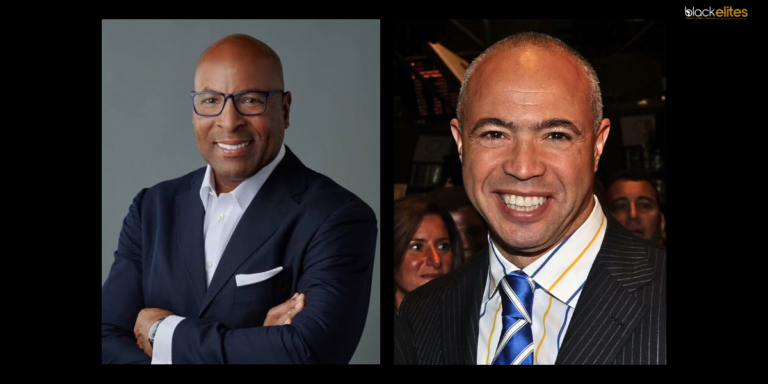
On March 18, 2026, New York State Senator Leroy Comrie introduced Senate Resolution J1778. It proposes recognising Black Entrepreneurs Week from October 21 to 28 and lists planned “Game Changer Conversations” with Spike Lee, Killer Mike, Shaquille O’Neal, Tracee Ellis Ross and Venus Williams.
A 2020 report from New York City’s Department of Small Business Services documented a gap between Black New Yorkers’ share of the population and their share of the city’s businesses. Black New Yorkers made up 22 percent of the population, or about 1.9 million people, while Black entrepreneurs owned 2 percent of the city’s businesses. The figures help explain why the city launched Black Entrepreneurs NYC in 2019.
A week of events cannot close that gap on its own. It could, however, give business owners access to customers, capital, and public agencies they might otherwise struggle to reach.
J1778 describes an expansion of Black Entrepreneurs Day, which the Hip Hop Summit Youth Council and Daymond John began in 2020. Earlier editions combined public conversations with grants, mentorship, and pitching. The New York proposal gives the initiative a larger calendar, but the resolution itself is limited: it was referred to the Senate Finance Committee on the day it was introduced. It proposes recognition and includes no grant funding or procurement requirements.
That leaves the practical work to organisers, funders, agencies and business partners.
From Audience to Opportunity
There is a record to build on. ABC News reported that nine businesses received $25,000 each through the 2023 Powershift Entrepreneur Grant. The NAACP says awardees also received mentorship from Daymond John.
The event has already tried different formats. In 2022, it added a Shopify-backed live pitch competition. Its fifth annual edition moved to Atlanta in 2024, where four corporate partners announced $100,000 in grants.
New York could build on that mix. A longer program might include founder clinics or meetings with buyers, lenders and procurement teams. The value would depend on whether those sessions lead to follow-up, and whether the organizers report what came of them.
A panel can put founders in a room with influential people. It cannot ensure a buyer reviews a product or a lender explains why a loan was declined. That takes individual meetings and someone responsible for keeping them moving.
John has described the personal history behind the event. He once sold hats outside Harlem’s Apollo Theater, the venue where he later hosted Black Entrepreneurs Day. In a Forbes interview, he said the event provided:
Hundreds of thousands of dollars in grants to black companies to stay open and/or expand their businesses — Daymond John
That history gives the New York edition a practical example to follow: name the recipients, explain the grant terms, and check in on how the money was used.
The city already has services that could extend the work beyond the event. Black Entrepreneurs NYC, launched in 2019 by the Department of Small Business Services and community partners, offers a 40-hour startup intensive. It also works with Volunteers of Legal Services to provide help with business formation, contracts, taxes and intellectual property. Organisers could direct founders to these programmes when they need support.
The Capital Founders Need
A pitch competition may suit one business. Another may need a loan, a grant or a customer willing to place a repeat order. The right support depends on the company and what it is trying to do. A software startup may pursue venture funding; a caterer or contractor may need working capital and reliable buyers.
The Federal Reserve Banks’ Small Business Credit Survey, fielded from September to November 2025, found that 32 percent of Black-owned employer firms that applied for loans, credit lines or cash advances received the full amount they sought. The finding applies to employer firms that sought financing. Among employer firms overall, reaching customers and growing sales was the most common operational challenge.
Ashley Sutton, founder of greeting-card company Hustle & Hope and a 2023 grant recipient, told ABC News:
I wanted to disrupt this $7 billion industry that hasn’t been innovated since pop-ups and music. — Ashley Sutton
Sutton said she planned to use the grant to expand her team and hire an intern. Her case shows what organisers can document: the company’s opportunity, what the funding paid for and the effect on its capacity. The New York programme could then look for similar opportunities to connect founders with buyers and capital providers.
What Follow-Through Could Look Like
Organisers could begin by publishing a short account of who took part: the businesses’ industries, boroughs and stages of growth. They could also record meetings with lenders, investors, buyers and support providers, then check which ones led to applications, purchase orders, contracts or further advice.
Those outcomes take time. A meeting does not guarantee a contract, and an application does not mean a loan was approved. Updates after three, six and twelve months would give organisers a way to report progress and explain where founders still need help.
Corporate partners could spell out their procurement steps and vendor requirements before meeting founders. A lender could offer a clear contact for follow-up. Public agencies and nonprofit providers could tell owners which services they qualify for and how to access them.
Revenue alone may not tell the whole story. A company could report higher sales while taking on debt or giving up a larger share of ownership to finance growth. With owners’ consent, organisers could also track repeat customers, contract renewals, jobs retained and business survival. Those figures would help show whether the support strengthened a company over time.
A new supplier may win a contract and still struggle to complete it. Insurance, certification, bookkeeping and delivery capacity can all affect whether the business gets paid. In some cases, invoice financing may be needed while the customer processes payment. A buyer who shares its requirements or places a small trial order can give a founder something useful to work with.
New York’s existing business services could help sustain that support after the week ends. Organisers can make introductions; agencies, lenders, corporations and nonprofits can keep working with founders afterward. A similar ecosystem approach appears in Felecia Hatcher’s work, which combines funding with investors and business support.
The event’s organizers will have a simple way to show whether the work continued: report what founders received, who followed up and what happened next. A founder who gets the supplier checklist, completes certification and secures a trial order may have more to show for the week than one who leaves with a photograph from the stage.
Frequently Asked Questions about New York’s First Black Entrepreneurs Week
What is New York’s planned Black Entrepreneurs Week?
Senate Resolution J1778 proposes recognising October 21–28, 2026, as Black Entrepreneurs Week. It links the week to Black Entrepreneurs Day, launched by the Hip Hop Summit Youth Council and Daymond John in 2020, and lists planned conversations with business and entertainment figures.
Has New York officially recognized the week?
The Senate introduced J1778 on March 18, 2026, and referred it to the Finance Committee. The resolution proposes recognition. It does not create a funded programme, grant or procurement rule.
What support has Black Entrepreneurs Day provided?
ABC News reported that nine businesses received $25,000 each through the 2023 Powershift Entrepreneur Grant. The NAACP says awardees also received mentorship from Daymond John. Those are reported forms of support; they do not establish how the businesses performed afterward.
Why do capital and customer access both matter?
Capital can help a business pay for inventory, staff or equipment. Customers bring in revenue. The support a founder needs will depend on the business and its plans.
What should organizers measure after October 21?
They could report meetings and introductions, then track which led to applications, grants paid, contracts, repeat customers, jobs retained or ongoing advice. Updates over time would show whether the relationships continued.