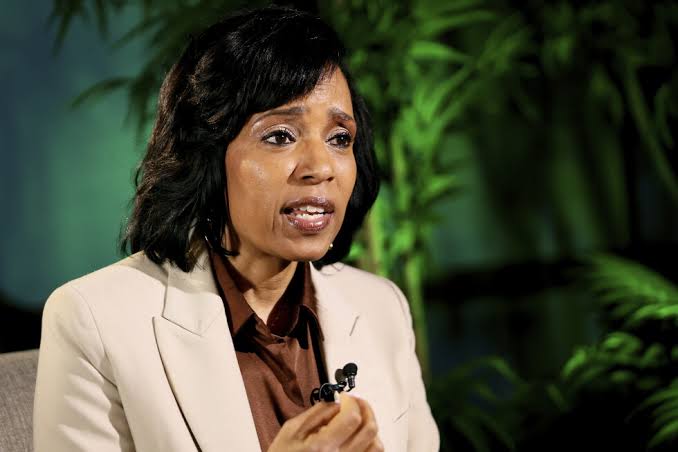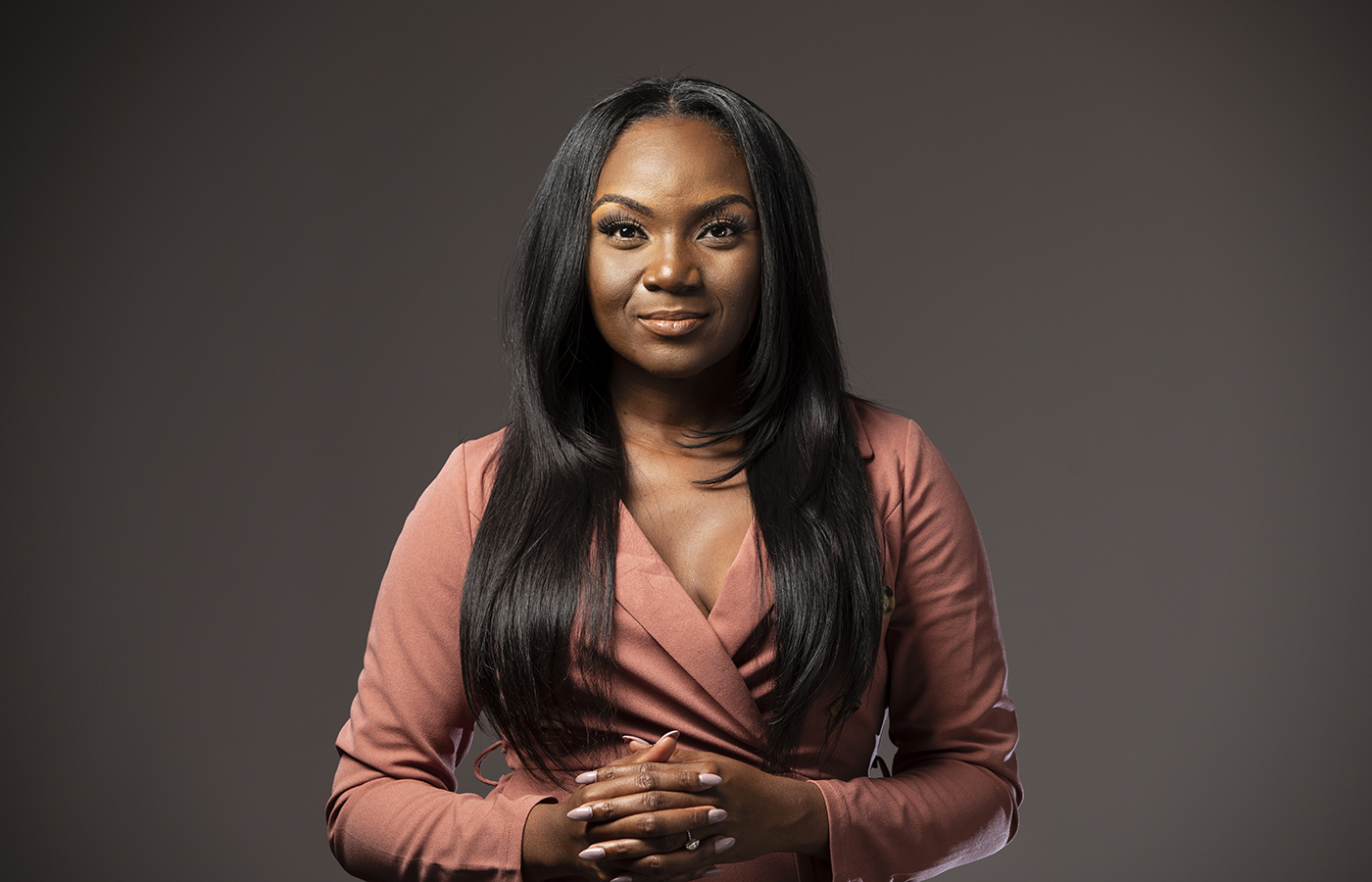
Sixty-six days passed between the public release of SARS-CoV-2’s genetic sequence and the start of the first clinical trial of Moderna’s COVID-19 vaccine. Dr. Kizzmekia Corbett-Helaire was among the scientists whose earlier work helped make that timeline possible. At the National Institutes of Health, she was scientific lead of the Coronavirus Vaccines Team.
She now runs a lab at Harvard, where the work has moved on from one virus to a broader set of questions: how viruses infect cells, what the immune system recognizes, and which vaccine designs might be worth pursuing. That research is a long way from a product launch. Its value may be in what it gives scientists to work with if another virus becomes a public-health threat.
The Work Behind mRNA-1273
Corbett-Helaire’s team helped shape the research behind mRNA-1273. NIH and Moderna developed the candidate for clinical testing. In the Phase 3 trial, it had 94.1% efficacy against symptomatic COVID-19 in the primary analysis, which was based on 196 cases.
Vaccines are the great equalizer when it comes to addressing health disparities, especially around infectious diseases.
— Dr. Kizzmekia Corbett-Helaire
The result came from a much larger effort than any one scientist or company. Public research helped establish the scientific groundwork; Moderna brought its mRNA platform and development capacity. Then came the trials, manufacturing and distribution.
That partnership also points to a difficult problem in vaccine research: much of the groundwork happens before anyone knows whether a virus will become a crisis. It can be hard to attract investment for research with no immediate market. The COVID-19 response showed what could happen when institutions had already built up expertise and capacity. Keeping both in place between emergencies is less visible, and less urgent to fund.
At Harvard, Corbett-Helaire’s lab studies coronavirus antigens and nanoparticle vaccine designs. The researchers are investigating whether those designs can prompt immune responses that recognize related viruses or variants. They also study how viruses interact with host cells and whether viral surface proteins could be targets for vaccines or antibody treatments.
Looking At a Virus Before an Outbreak
The lab’s work includes simian hemorrhagic fever viruses. Some have caused lethal outbreaks in monkeys. One has infected human cells in laboratory studies, prompting researchers to examine how it enters cells and whether its proteins could inform vaccine design. That result alone does not show the virus is spreading among people.
In 2025, Pew named Corbett-Helaire a Biomedical Scholar and supported her research on viral immunology and emerging infectious diseases. That kind of backing can help keep early work moving while its practical use remains uncertain. A virus need not be causing an outbreak for scientists to study how it works, but without a clear product or buyer, funding can be harder to secure.
Universities and public agencies often carry research through its early stages. If a vaccine candidate shows promise, companies may bring the experience and facilities needed for trials and manufacturing. None of that guarantees a successful vaccine. It does give researchers a route from a lab finding towards a product.
Who Gets To Build the Research
Corbett-Helaire’s lab trains fellows and graduate students in virology, immunology, protein engineering and nanotechnology. The fields overlap in vaccine work, and the expertise takes years to build.
I want my lab to feel like a family where everyone has each other’s back – there are older siblings and younger siblings, but each person has a specific position that is essential.
— Dr. Kizzmekia Corbett-Helaire
Before earning her doctorate at the University of North Carolina at Chapel Hill, Corbett-Helaire was a Meyerhoff Scholar at the University of Maryland, Baltimore County. Her career gives young Black scientists an example of Black leadership in a field where they have often been underrepresented. But visibility and access are different things. Institutions still decide who gets grants, lab space and a say in what research gets done.
During the COVID-19 rollout, she spoke with Black communities and answered vaccine-safety questions, Harvard reported. Her work in those conversations connected vaccine research with the question of who can benefit from it. A vaccine has to be available to people, and people have to be able to trust the institutions offering it.
That trust cannot be built in the middle of a crisis. Neither can the teams and research infrastructure needed to study a new pathogen. Corbett-Helaire’s lab is one part of that longer preparation.
Her Harvard research has not produced a vaccine ready for testing in people. It is focused on the earlier work: examining viral proteins, immune responses and possible designs. If a future candidate emerges, it will still need further study, investment and clinical trials.
FAQs
What is Dr. Kizzmekia Corbett-Helaire researching now?
Her Harvard lab studies viral immunology, coronavirus antigens, nanoparticle vaccine designs and emerging viruses, including simian hemorrhagic fever viruses. The findings may inform future vaccines or antibody treatments.
What did Corbett-Helaire contribute to Moderna’s COVID-19 vaccine?
She was scientific lead of the NIH Vaccine Research Center’s Coronavirus Vaccines Team. The team helped shape the research and vaccine concept used in mRNA-1273, which NIH and Moderna developed for clinical testing with contributions from many researchers.
Does her lab have a universal coronavirus vaccine ready?
No. The lab is studying spike-based antigens and nanoparticle designs that may prompt immune responses across related viruses. This research has not produced a vaccine ready for clinical use.
Why is simian hemorrhagic fever virus part of the research?
Some viruses in this group have caused severe disease in monkeys, and one has infected human cells in laboratory studies. Researchers are studying how it enters cells and whether its proteins could inform vaccine design. The lab result does not show that the virus spreads among people.
Why does vaccine research need both public and private investment?
Public funding can support early research whose commercial prospects are uncertain. Biotechnology companies can contribute development platforms, manufacturing capacity and clinical-trial experience. A candidate still needs more research, testing, and funding before it can reach the public.
How does mentorship fit into vaccine development?
Vaccine research draws on fields such as virology, immunology, engineering and clinical science. Mentorship helps train people in those areas. Funding, lab access, and leadership opportunities help them continue in research.