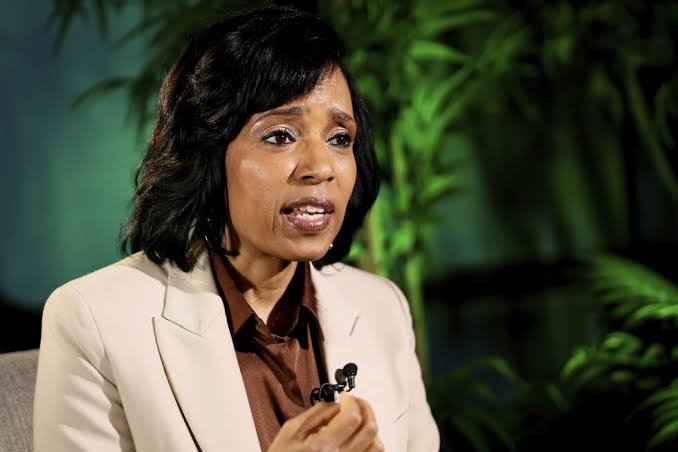
Dow’s 2025 results left Karen S. Carter with a difficult first assignment as CEO: the company made $40 billion in sales and still lost $2.4 billion. She took over on July 1. Dow has about 34,600 employees and operates in 29 countries. Decisions about spending, production and the company’s direction now sit with her.
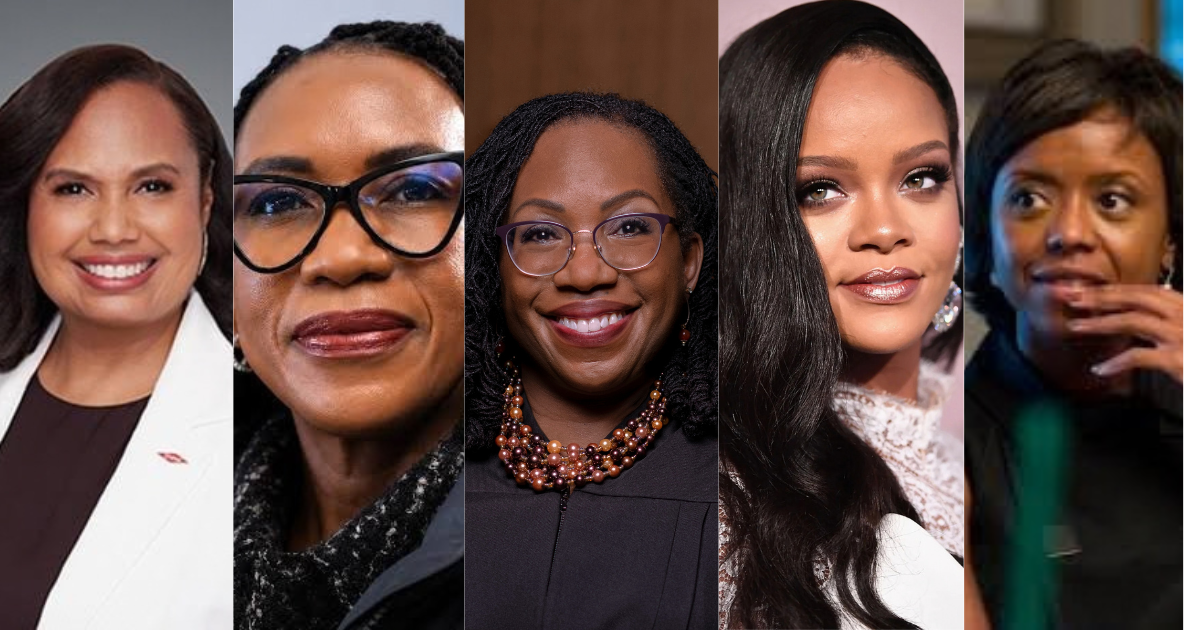
That handover is one useful way into The Most Powerful Black Women in 2026. The women here do different work. Karen S. Carter runs a manufacturer. Mary Vilakazi leads a South African financial group. Mellody Hobson is investing in women’s sports. Robyn Rihanna Fenty reportedly shares ownership of Fenty Beauty with LVMH. Ketanji Brown Jackson sits on the U.S. Supreme Court. Their influence does not come from the same place.
The Most Powerful Black Women in 2026 Have Power Beyond Visibility
Recognition can help someone attract customers or investors. It does not tell us who owns a company or what authority comes with a title.
Carter runs a company she did not found. Rihanna reportedly owns half of Fenty Beauty alongside LVMH. Project Level has secured capital that it has yet to spend. Jackson is one of nine justices. Those facts describe different kinds of influence; treating them as one measure would hide more than it reveals.
Corporate Power Is About Who Gets to Make the Decision
Carter already knew Dow before she became CEO. She had served as chief operating officer, overseeing performance across the company, and led Packaging & Specialty Plastics, its largest operating segment. Dow credited her with asset upgrades, capacity expansion and reliability improvements.
Now she has to confront the gap between Dow’s sales and its loss. Cost reductions could help the accounts, but delayed investment can leave a manufacturer less prepared for the next market shift. The trade-offs are hers to manage, with the board and shareholders watching.
In Dow’s appointment announcement, Carter said:
Our focus remains unwavering: delivering reliable and innovative solutions for our customers, and long-term value for our employees and our shareholders. — Karen S. Carter
That is a broad promise. The challenge is in the execution: what gets funded, what gets cut and how quickly the company can improve its performance.
Thasunda Brown Duckett’s decisions touch retirement savings rather than factories. She leads TIAA, which provides retirement and investment services through employers, universities and health systems. At the end of 2025, the institution reported $1.5 trillion in assets under management. The number says something about TIAA’s scale, placing the allocation of capital and long-term security for millions of client portfolios under her strategic oversight.
Mary Vilakazi is group CEO of FirstRand, the South African financial group behind FNB, RMB and WesBank. For the year ended June 30, 2026, FirstRand reported R44.46 billion in normalised continuing earnings, a 13% increase. It attributed growth to its South African and broader African businesses, while also disclosing a UK motor-finance provision that affected the results.
FirstRand’s businesses provide banking, lending, investment and insurance services across several markets. Vilakazi’s role gives her influence over the group’s direction. The numbers show the size of the institution; they do not make her its only decision-maker.
Ownership Puts Capital to Work
Mellody Hobson has spent much of her career in investment management. She is co-CEO and president of Ariel Investments. She also founded Project Level, an investment platform focused on women’s sports.
In February 2026, Project Level announced its first close with $250 million in committed capital. Its early investments included Denver Summit, a new National Women’s Soccer League team, and League One Volleyball. Hobson’s memo cited 8,500 season tickets sold by Denver Summit after launch and increased participation in LOVB’s youth clubs.
Reaching $250 million is a meaningful start, not a finish line. — Mellody Hobson
The money is committed, not all deployed. Hobson still has to choose where it goes, and the investments have to deliver for their investors. She is making a case that women’s sports can support valuable teams, leagues and related businesses. The early demand helps the case. It does not prove the returns.
Rihanna’s Fenty Beauty stake grew from a different starting point. She launched the brand with Kendo Brands, part of LVMH. Reuters reported in 2025 that Rihanna and LVMH each held 50% of the company. It estimated Fenty Beauty’s 2024 net sales at about $450 million, based on people familiar with the business.
That sales figure was not published in a company filing. Still, the brand’s reach is visible in its products and retail presence. Fenty Beauty entered a market where customers with many skin tones had struggled to find suitable makeup. Rihanna helped turn that unmet demand into a product line with global distribution.
LVMH brings the scale of a major beauty group; Rihanna shares in the company’s ownership and remains closely tied to its identity. It is a partnership, and that is part of the story. Her influence is visible in the brand she helped build and the stake she holds in it.
Judicial Power Can Shape How the Rules Are Applied
A Supreme Court ruling can change what a government may do or how a law is applied. Ketanji Brown Jackson takes part in those decisions as one of nine justices.
At a September 2026 lecture at the University of the District of Columbia, Jackson discussed the Court’s emergency docket. It handles urgent requests while cases are still moving through lower courts. An order can let a government action take effect before the legal challenge is resolved. Jackson argued that the fairness of that process matters along with the final ruling.
We as judges are public servants. What I’m trying to do is make sure that the people understand what’s going on. — Justice Ketanji Brown Jackson
Jackson cannot decide a case alone. Her votes and written opinions become part of the Court’s record and can shape how judges and officials read the law. Her lecture focused on another part of the job: making the Court’s process understandable to people outside it.
What the Numbers Show
These figures do not measure the same thing. Dow’s sales and loss show its size and financial position. TIAA’s assets under management show the scale of the institution Duckett leads. FirstRand’s adjusted earnings show its performance after certain items are excluded. Project Level’s $250 million shows committed capital rather than sales. Reuters’ Fenty Beauty sales figure shows estimated revenue based on sources.
The numbers show the scale of the organizations these leaders run or built, from a global chemicals company and a retirement institution to a banking group, a committed fund and a beauty brand.
Where Power Sits
Carter’s immediate problem is Dow’s performance. Duckett leads a retirement business managing client assets. Vilakazi heads a financial group across several markets. Hobson is deciding where to invest committed capital. Rihanna co-owns Fenty Beauty, the brand she founded. Jackson votes on cases with eight other justices.
The limits differ by role. A CEO answers to a board and shareholders. An investment manager has clients to answer to. Business partners share ownership. Justices decide as members of a court. Those conditions shape what each woman can do.
These positions remain rare. Their careers cannot stand in for every Black woman seeking capital, a senior role or ownership. But the work offers a close view of where consequential decisions are made.
FAQs
What makes a Black woman powerful in 2026?
Power may come from owning a business, leading an institution, directing capital or helping shape law and policy. The useful question is what a person’s role or stake lets her decide and affect. Fame or a senior title alone does not answer it.
Who are some of the most powerful Black women in business?
Karen S. Carter leads Dow; Thasunda Brown Duckett leads TIAA; Mary Vilakazi leads FirstRand; Mellody Hobson co-leads Ariel Investments and founded Project Level; and Rihanna co-owns Fenty Beauty. Their roles bring different kinds of authority and ownership.
Why does ownership matter?
Ownership can give someone a claim on a company’s value and, depending on the agreement, a say in its decisions. Founders often share ownership with investors or partners. The stake and the rights attached to it matter more than the founder label alone.
How can cultural influence become economic power?
An audience can help a brand reach customers, but it cannot guarantee a lasting business. Look at the products, retail access and demand that follow. Fenty Beauty shows how cultural reach can become part of a business in which the public figure also holds a substantial stake.
What role does judicial authority play?
Supreme Court justices interpret laws and participate in rulings that affect government and the public. Each justice is one member of a nine-person court. Their votes matter, but decisions come from a shared process.
Why shouldn’t fame determine who is considered powerful?
Fame measures recognition. It does not show who owns a company, controls investment decisions or helps determine how laws are applied. Visibility may open a door; the work and authority behind it show what influence a person holds.