For years, lists detailing Black cultural influence followed a predictable formula, grouping together musicians, actors, athletes, and billionaires alongside a politician or two to create a static snapshot of Black America. That approach is rapidly becoming obsolete as cultural influence migrates to platforms like TikTok, YouTube, Twitch, Instagram, and podcasts. On these platforms, creators build massive audiences long before traditional gatekeepers like television networks, record labels, or newspapers decide they matter. These individuals are doing much more than collecting followers; they are generating the phrases, jokes, aesthetics, and arguments that permeate daily life. Recent coverage of the Black creator economy by publications like Forbes documents this shift, highlighting how digital creators now drive influence across humor, beauty, education, and family dynamics. This reality completely redefines influence, as the people shaping culture today are not necessarily those with the longest tenure in traditional fame. Some are altering how young people discuss work, while others can spike a restaurant’s traffic with a single video or prove that Black children’s media is a major business sector. Here are ten Black Americans worth watching to understand where the culture is heading next.
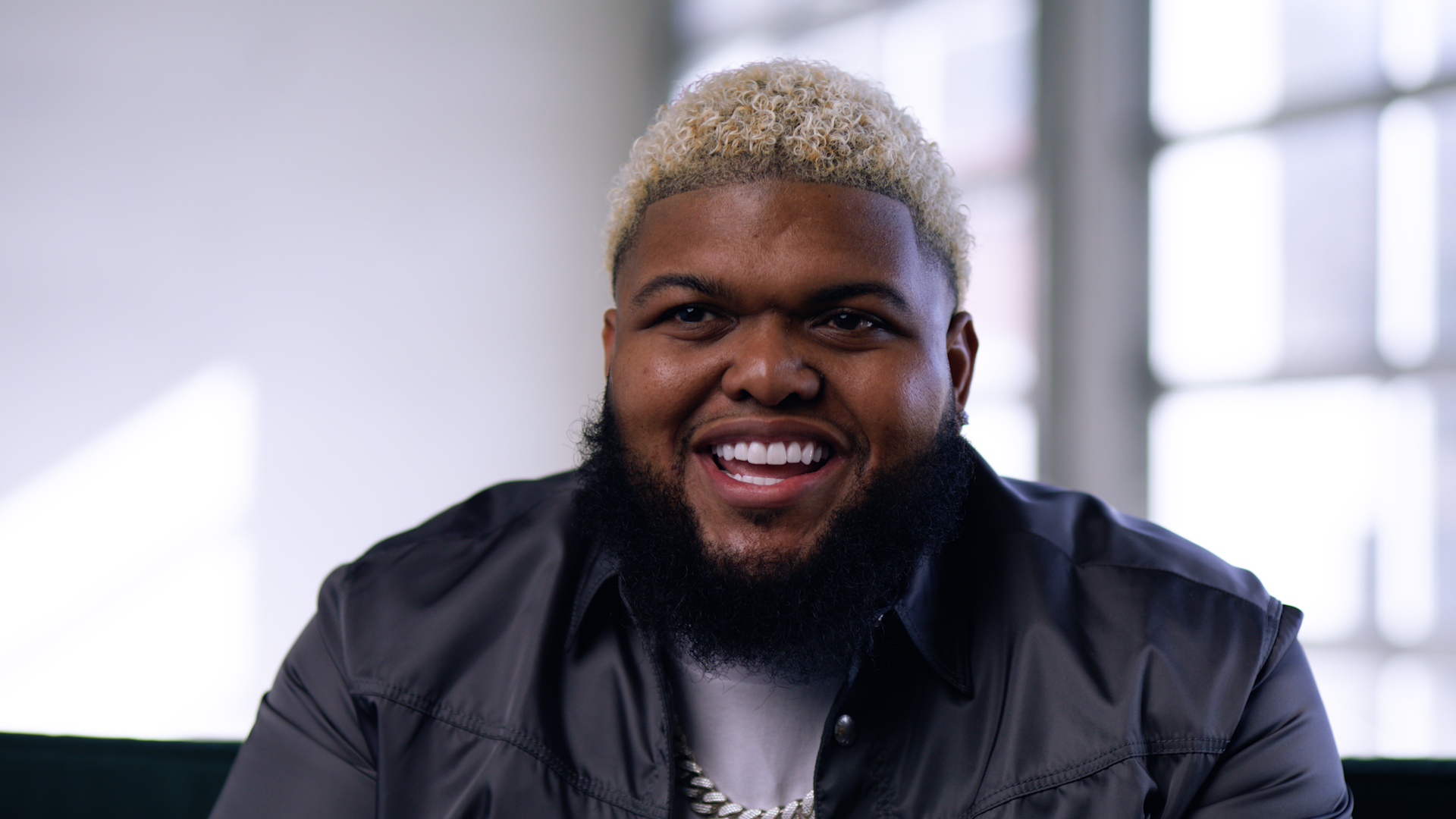
1. Druski
Druski grasped what traditional entertainment missed early on: the internet does not require a comedian to wait for a television show to become culturally relevant. His sketches might appear ridiculous on the surface, but the underlying jokes often carry significant weight by taking familiar characters and social habits and pushing them until people recognize themselves in the exaggeration. This approach grants him unusual influence, as audiences do not just watch his videos and move on; they quote them, turn moments into memes, and use his characters as shorthand for ongoing cultural conversations. A clear example emerged in 2026 when a Druski sketch about British actors playing Black American roles in Hollywood went viral, reportedly surpassing 20 million views within 24 hours and reigniting debate over Black diaspora identity and on-screen representation. Rather than publishing a lengthy essay on the topic, Druski simply made a joke that prompted millions of people to argue the nuances of the issue afterwards.
“The comedian is no longer simply commenting on the conversation. Sometimes the comedian is the conversation.”
This dynamic represents a distinctly modern form of cultural power where the creator does not need to announce importance, because the audience’s reactions and remixes do the heavy lifting. His recognition at the 2026 Culture Creators Awards alongside established entertainment figures further signals how quickly internet-native comedy has moved into the center of Black popular culture.
2. IShowSpeed
Darren Watkins Jr., known globally as IShowSpeed, captures the sheer velocity and physical disruption of modern internet fame, having evolved from a chaotic gaming streamer into a dominant force in live global entertainment. His impact stems from his ability to transcend the traditional boundaries of a broadcasting platform by bringing his digital audience directly into physical public spaces across the world. Through his international in-real-life streams, he routinely turns city streets in Tokyo, London, and Lisbon into impromptu media events that draw massive crowds and generate millions of concurrent viewers, forcing legacy media outlets to cover his movements with the same urgency reserved for mainstream pop stars or elite athletes. This phenomenon highlights the globalization of Black American internet culture, as his content resonates deeply across international borders and creates a shared, real-time cultural language among young audiences worldwide. His highly publicized interactions with global figures, most notably his eventual meeting with soccer icon Cristiano Ronaldo, demonstrated that a digital creator could now command the attention of legacy sports and entertainment institutions on their own turf. Despite the loud and unpredictable nature of his on-camera persona, his underlying business strategy remains highly calculated, allowing him to successfully monetize his brand into a sustainable media empire through music releases, merchandise, and high-profile partnerships. He proves that raw authenticity and the ability to generate spontaneous, viral moments in the physical world are among the most valuable currencies in the current digital landscape.
2. Kai Cenat
Kai Cenat represents one of the most significant shifts in modern entertainment, transitioning young Black audiences from traditional television, radio, and film into the world of livestreaming. Millions of viewers now spend hours watching him talk, game, travel, interview celebrities, or simply hang out with friends, a behavior Cenat helped transform into a massive industry. His importance extends far beyond his enormous audience, as he has established that a creator can operate as a fully functioning media company without resembling a traditional corporate structure. A single livestream can now produce the kind of cultural moments that once required a television studio, a production crew, and a network schedule. This influence recently reached the fashion world when Cenat brought his VIVET brand to New York Fashion Week in September 2026. More than 180,000 people reportedly watched the runway show via livestream, while the collection sparked industry debate over whether an internet creator with no traditional fashion background belonged on the official stage. The argument itself reveals that nobody would debate Cenat’s place in fashion if his audience were irrelevant to the industry, forcing an older institution to confront a newer source of cultural power. Cenat is not simply moving from streaming into fashion; rather, the fashion industry is learning how to operate inside his media ecosystem.
3. Keith Lee
Keith Lee offers one of the clearest examples of an ordinary internet activity transforming into serious economic influence through his straightforward restaurant reviews. The phenomenon, widely covered by outlets like NPR and known as the “Keith Lee effect,” demonstrates what happens when millions of people deeply trust the person doing the reviewing. Restaurants he features routinely report dramatic increases in customers and orders, proving that an individual creator can become a highly effective distribution channel for businesses struggling to gain attention. Lee maintains a simple format built around eating the food himself and giving an honest assessment, often using his platform to spotlight independent restaurants and businesses owned by people of color rather than chasing mainstream corporate chains. In 2026, he took that philosophy offline with FamiLee Day, a food festival in New Orleans designed to bring direct attention to local eateries. The broader story here is about consumer power and the dismantling of traditional gatekeepers, as food publications and newspaper critics no longer hold a monopoly on deciding which restaurants receive public attention. For Black-owned businesses operating without enormous marketing budgets, this shift is incredibly meaningful, as a person with a phone and a loyal audience can now redirect attention and revenue on a massive scale.
4. DeAndre Brown, The Corporate Baddie
While some cultural influence arrives merely as a fleeting catchphrase, DeAndre Brown built an entire identity around his online persona, The Corporate Baddie. He became associated with a specific vision of professional life that is ambitious, polished, self-aware, and unapologetic about wanting more, with content growing out of conversations regarding internships, jobs, and navigating corporate America. Creator analytics currently place his TikTok account at roughly 1.1 million followers and more than 71 million likes, but the follower count is far less interesting than the language he popularized. The term “Corporate Baddie” describes a particular type of young professional identity, especially among individuals who want to be ambitious without pretending that work must consume their entire personality. This concept resonates deeply because workplace culture rarely looks exciting from the outside, leaving millions of young people trying to figure out how to dress, behave, negotiate, and build careers in environments not necessarily designed with them in mind. Brown successfully turned that workplace anxiety into engaging content, making ambition itself a celebrated part of the culture rather than something young Black professionals simply have to endure. This provides a valuable business lesson for the creator economy, showing how a single resonant phrase can be expanded into an entire media identity.
5. Ziwe
Ziwe maintains a unique relationship with cultural conversation by putting her guests directly inside the discourse rather than simply participating in it. Her interviews became famous for asking uncomfortable questions about race, privilege, celebrity, and identity while maintaining enough humor to keep the conversation highly entertaining and shareable. In 2026, her interview work moved further into YouTube with the continuation of You’d Be an Iconic Guest, keeping her deliberately uncomfortable style in circulation with guests like Wanda Sykes and Hasan Piker. This platform shift represents something much larger than one comedian changing networks, as Ziwe is part of a generation of Black creators blurring the boundaries between comedian, interviewer, commentator, and media personality.
“The old distinction between ‘entertainment’ and ‘cultural criticism’ doesn’t really apply to her work.”
Her interviews manage to be funny, awkward, provocative, and genuinely revealing all within the same conversation, utilizing a hybrid model that is becoming increasingly common across the internet. Modern creators can make an audience laugh, challenge them, annoy them, and teach them something in the span of five minutes, which is precisely why people cannot stop talking about them.
6. Allyiah’s Face
Allyiah Gainer, known online as Allyiah’s Face, represents a crucial element of Black digital culture that traditional media often misunderstands: the immense power of intimacy. Her content sits within the beauty and lifestyle space, combining beauty routines, “get ready with me” formats, and personal vlogging to create the feeling of watching someone whose life is aspirational yet still approachable. This deep relationship with her audience has proven highly commercially valuable, expanding her work beyond videos into brand partnerships and physical products like the Better Days fragrance created with Dossier. The creator economy increasingly rewards individuals who can make an audience feel like they know them personally, allowing a creator’s influence to travel seamlessly from makeup to fashion, fragrance, travel, or any other niche their audience cares about. For Black women in particular, this dynamic has opened a direct route to influence and entrepreneurship that does not depend on waiting for Hollywood to cast them or traditional media to validate them. By building the audience herself, she has secured a level of cultural and commercial power that operates entirely outside the traditional celebrity pipeline.
7. Gracie’s Corner
Gracie’s Corner might initially seem like an unconventional choice for a list about cultural influence because its primary audience consists of young children, but that demographic focus is exactly why the project demands attention. Created by Dr. Javoris Hollingsworth and Arlene Gordon-Hollingsworth and brought to life through their daughter Graceyn, the project combines music, education, and Black representation into a highly successful children’s media brand. Current YouTube tracking places the main channel at around 6.5 million subscribers and more than 6.4 billion views, a massive scale that underscores its significance in the digital landscape. Children absorb culture long before they can articulate what it is, meaning the characters they see and the voices they hear fundamentally contribute to their understanding of the world. Gracie’s Corner places Black children at the center of that world organically, without treating representation as a heavy-handed lecture, resulting in content that parents enjoy, children remember, and businesses can build upon. This early exposure shapes cultural memory and normalizes Black joy and creativity for the next generation, proving that children’s media is a highly influential sector of the broader cultural landscape.
8. Funny Marco
Funny Marco fundamentally changed the format of the internet interview by abandoning formal exchanges in favor of awkwardness, absurdity, and unpredictability. The celebrities sitting across from him often look like they have wandered into a strange social experiment, a format that perfectly matches the way young audiences prefer to consume media today. His Open Thoughts interviews became famous for long pauses, bizarre questions, and situations where guests are never entirely sure what is coming next, bringing him conversations with major artists while keeping the deliberately uncomfortable format at the center of his brand. This distinction matters because the interview itself has evolved into the primary entertainment product, removing the need for a celebrity to sit behind a desk and answer standard promotional questions. By making the awkward moment the focal point, Marco tapped into a highly authentic, unpolished style that feels native to the internet rather than a television studio. He is a major reason this specific interview format has become so powerful and widely imitated across social media platforms.
9. Taylor Cassidy
Taylor Cassidy demonstrates that educational content does not have to feel like a traditional classroom, using her “Fast Black History” videos to turn short-form social media into a space for accessible historical education. Rather than presenting history like a dense textbook, she uses humor, personality, and contemporary references to make historical figures feel relevant to an audience that grew up online. Her influence has since expanded beyond TikTok with the release of her book, Black History Is Your History, which uses the same conversational approach to introduce young readers to Black historical figures. A traditional history lesson requires a classroom or a documentary, but Cassidy’s approach starts with the assumption that people are already scrolling, so she meets them directly on their feeds. This represents a significant change in how cultural knowledge travels, turning the creator into the teacher and the phone into the classroom. Furthermore, the people teaching history online maintain a direct relationship with their audience, allowing them to see what people are curious about and which stories generate the strongest reactions, creating a highly responsive and effective digital education loop.
10. Alexis Nikole Nelson
Alexis Nikole Nelson, widely known as Black Forager, occupies a fascinating intersection of food, history, and environmental education. Her videos introduce audiences to edible plants and foraging while simultaneously opening the door to deeper conversations about history, food traditions, and generational knowledge. Her audience is enormous, with the University of Michigan noting her reach of more than 6 million followers across platforms ahead of her September 2026 Climate Week event. This combination makes her particularly interesting within the context of Black culture, as food carries the weight of migration, survival, geography, family, and memory. Nelson has successfully turned what could have remained a niche hobby into a form of entertainment and education consumed by millions, seamlessly transitioning from identifying a plant in a forest to explaining its historical significance. Her influence highlights why follower counts alone are a poor metric for understanding the creator economy, as different creators change what people eat, wear, or how they talk about work. This generation of creators is fundamentally different because they are building direct, unfiltered connections with their audiences across every conceivable niche.
The New Black Cultural Power
The unifying factor among these ten individuals is their direct proximity to their audiences, bypassing the need for traditional fame to achieve cultural relevance. They do not need to wait for a newspaper to declare something culturally important or rely on a television executive for a platform, allowing them to post an idea in the morning and have millions discussing it by the afternoon. Druski turns a comedy sketch into a diaspora conversation, Keith Lee turns a restaurant review into an economic event, and Kai Cenat turns a livestream into mainstream entertainment. Meanwhile, creators like Allyiah’s Face prove that influence does not always require controversy or political commentary; sometimes it simply comes from making millions of people feel like they are spending time with a trusted friend. The old gatekeepers and established media personalities who built the previous generation’s cultural infrastructure still matter, but they no longer have the culture to themselves. A new generation has built its own distribution systems, cultivated its own celebrities, and launched its own businesses. The most important question in culture is no longer about who holds traditional fame, but rather who people are actually watching, quoting, copying, and buying from on a daily basis.
Frequently Asked Questions
How did you select the creators for this list?
The selection process focused entirely on cultural impact and audience proximity rather than traditional metrics like box office numbers or Grammy awards. We looked for creators who have fundamentally shifted how their specific audiences communicate, spend money, or view the world. Each person featured has built a direct, unfiltered relationship with millions of followers, allowing them to bypass traditional media gatekeepers and drive real-world conversations. This approach aligns with broader economic analyses of the creator economy, which emphasize direct audience monetization and cultural relevance over legacy media validation.
Why are traditional actors and musicians excluded from this list?
Traditional celebrities certainly still hold significant cultural weight, but this article specifically explores the shift in influence toward digital-native platforms. The objective was to highlight individuals who built their empires from the ground up on social media, focusing on those whose primary cultural footprint originated online. This distinction highlights a broader industry trend where digital influence is now generated organically on the internet before being validated by mainstream institutions like television networks or record labels.
How do these digital creators generate revenue beyond standard brand sponsorships?
While brand deals remain a foundational revenue stream, the most successful creators have diversified into building their own proprietary businesses and media companies. Many have launched physical product lines, organized large-scale live events, or published books that extend their digital personas into tangible markets. According to industry analysis by Forbes, this shift from renting audiences to owning business infrastructure is what separates fleeting internet personalities from long-term cultural fixtures.
Is the rise of the creator economy going to make traditional media obsolete?
Digital creators will not completely replace traditional media, though they are permanently altering how content is distributed and consumed. Traditional studios and networks still possess the capital required to produce massive, high-budget projects, yet they increasingly rely on digital creators to generate grassroots buzz and authentic audience engagement. The future of the media environment will likely operate as a hybrid ecosystem, where established institutions and independent digital personalities collaborate to reach audiences across multiple platforms.