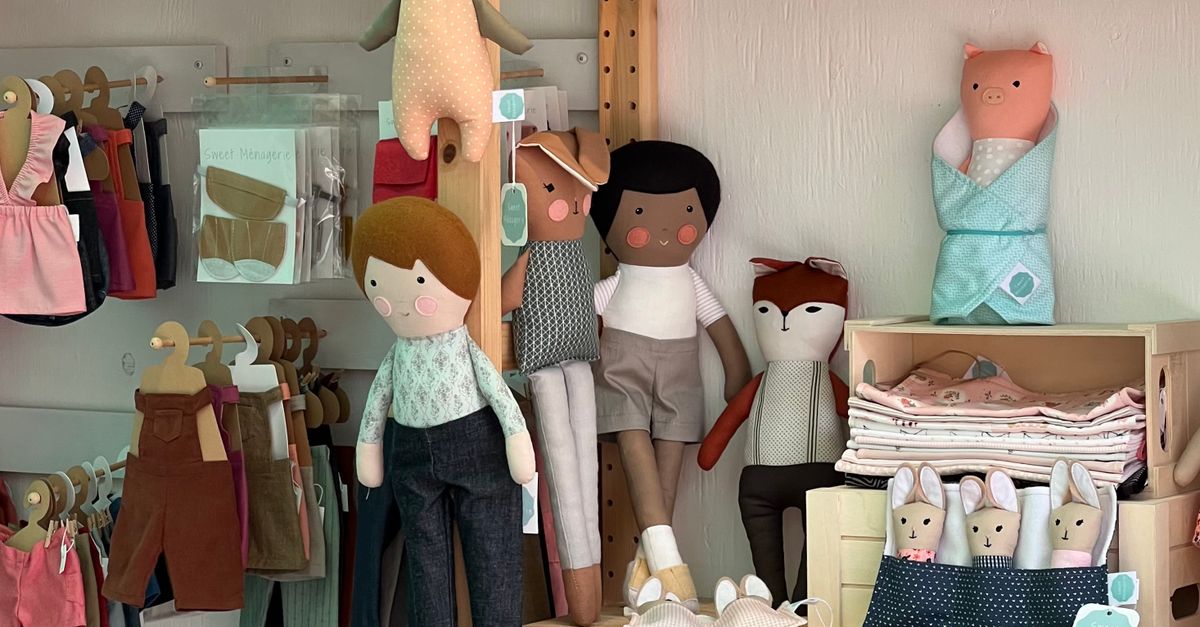
The Rise of a Black Doll Entrepreneur on H-E-B Shelves
The sight of new dolls appearing on major retail shelves is always noteworthy, but when a Black doll entrepreneur secures a spot in a prominent chain like H-E-B, it signals something more profound than just a new product launch. This isn’t merely about commerce; it’s about representation, access, and the slow but steady reshaping of what “mainstream” truly means in the toy aisle. For countless families, especially those with young Black girls, seeing dolls that reflect their own image available locally and easily is a quiet revolution. It speaks to a changing market, where consumer demand for diversity is finally being met by retailers willing to take a chance on independent visionaries. This particular story highlights the persistent effort required to turn a deeply personal mission into a widely accessible product, demonstrating the power of an idea whose time has truly come.
The Long Road to Retail Recognition
Getting any product into a major grocery or department store is notoriously difficult. It’s not just about having a good idea; it’s about navigating complex logistics, meeting stringent manufacturing standards, and convincing buyers that your item will move off the shelves. For a small, independent brand, especially one challenging established norms in a historically homogenous industry like toys, the barriers are even higher. This entrepreneur likely spent years honing her product, refining her pitch, and building a community around her vision before even getting a foot in the door with a retailer the size of H-E-B. It’s a testament to raw determination and an unwavering belief in the importance of her product. Many entrepreneurs start with big dreams, but few possess the sheer staying power required to break through these walls. They learn to see rejection not as a final answer, but as feedback, a chance to refine their approach, or simply a signal to try another door. This kind of journey is less a sprint and more a marathon, often run with little external validation until a moment like this arrives.
The Power of Seeing Oneself in Play
Why does a doll matter so much? For many, dolls are just toys, objects of fleeting childhood fancy. But for children, especially those in their formative years, play is a crucial part of developing identity and understanding the world around them. When a child consistently sees only one type of beauty or one skin tone reflected in the toys available to them, it sends subtle but powerful messages about who is valued and who belongs. For Black girls, a lack of diverse dolls can lead to feelings of being unseen or misunderstood. Conversely, finding a doll that shares their skin tone, hair texture, or facial features can be incredibly affirming. It’s not just about looking alike; it’s about seeing yourself reflected in the broader culture, validating your existence and beauty. These dolls aren’t just plastic and fabric; they are mirrors, offering children a chance to recognize and celebrate themselves. It’s an understated yet profound benefit that extends far beyond the playroom, influencing self-perception and confidence for years to come.
For Black girls, a lack of diverse dolls can lead to feelings of being unseen or misunderstood.
H-E-B and the Black Doll Entrepreneur Market Shift
H-E-B’s decision to stock these dolls isn’t purely altruistic; it’s also a smart business move. Retailers, like any business, respond to consumer demand. For too long, the toy industry lagged behind other sectors in recognizing the growing diversity of its customer base. However, social media and direct-to-consumer platforms have amplified voices calling for more inclusive products. Parents are actively seeking out toys that represent their children, and they are willing to spend money on them. When a major retailer like H-E-B partners with a Black doll entrepreneur, it shows they are listening to these customers. It demonstrates an understanding that the modern consumer values authenticity and representation, and that stocking such products isn’t just “niche” anymore, but a core expectation for a broad segment of the population. This isn’t a temporary trend; it’s a fundamental shift in how businesses connect with their diverse clientele, recognizing that inclusivity translates directly into relevance and sales.
Beyond the H-E-B Aisle: The Wider Impact
The ripple effect of one entrepreneur’s success can be surprisingly far-reaching. When these dolls appear on H-E-B shelves, it sends a powerful message to other aspiring entrepreneurs, especially women of color, that their ideas have value and can find a market. It also signals to larger toy manufacturers that the demand for diverse products is significant and sustainable. This can encourage them to diversify their own lines, not just as a marketing gimmick, but as a genuine response to consumer needs. Moreover, it empowers parents to continue advocating for and seeking out diverse toys, knowing that retailers are increasingly willing to listen. The story of this Black doll entrepreneur becomes an example, a proof point that shows what’s possible when vision meets persistence and when retailers choose to be partners in progress. It’s a small step in a larger movement, but often, the biggest changes begin with these individual, visible achievements.
The Business of Purpose
Many businesses are founded on the principle of solving a problem or fulfilling a need. For this entrepreneur, the need was clear: a lack of authentic representation in the toy industry. What’s compelling about this kind of venture is that its commercial success is intrinsically tied to its social mission. The more successful the dolls are in terms of sales, the more widely they spread their message of inclusion and affirmation. This creates a powerful feedback loop where purpose drives profit, and profit enables greater purpose. It’s a model that contrasts sharply with older business philosophies that compartmentalized social good from economic goals. Today, consumers are increasingly drawn to brands that stand for something beyond their balance sheets, and stories like this one provide tangible evidence that businesses can thrive by doing good. It’s a powerful argument for integrating values into the very fabric of a company, rather than treating them as an afterthought or a marketing add-on.
The more successful the dolls are in terms of sales, the more widely they spread their message of inclusion and affirmation.
Overcoming Skepticism and Finding Allies
It’s easy to imagine the skepticism this entrepreneur might have faced. “Is there really a market for this?” “Are these dolls just a niche product?” “Can you compete with the big brands?” These questions are common hurdles for any disruptor. Part of her success involved not only believing in her product but also effectively communicating its value proposition to potential partners. H-E-B, in this instance, acted as an important ally, seeing beyond initial reservations to recognize the untapped potential and the positive community impact. Finding these allies, whether they are investors, mentors, or retail buyers, is critical. It often requires the entrepreneur to educate and inspire, showing them the vision through not just numbers, but also stories – stories of children whose lives could be touched, and families whose needs have been overlooked. This collaborative spirit, where a retailer embraces a product born from a specific cultural need, highlights a path forward for more equitable commerce.
Common Questions About A Black woman entrepreneur gets her dolls onto H-E-B retail shelves
Who is the Black woman entrepreneur behind these dolls?
While the article discusses the general significance of a Black woman entrepreneur securing a retail placement for her dolls, the specific individual and brand are not named in this piece. The focus is on the broader impact and journey of such ventures.
Why is it important to have diverse dolls available in stores like H-E-B?
Diverse dolls are crucial for several reasons. They help children, especially those from underrepresented groups, see themselves reflected positively in the world around them, fostering self-esteem and a sense of belonging. They also expose all children to a wider range of appearances and cultures, promoting understanding and inclusivity from a young age.
What challenges do Black doll entrepreneurs typically face?
Black doll entrepreneurs often face significant hurdles, including securing funding, navigating the complex retail distribution landscape, and competing with large, established toy companies. They also frequently contend with skepticism about the market demand for diverse products, despite clear consumer interest.
How does H-E-B’s decision impact the broader toy industry?
When a major retailer like H-E-B stocks diverse dolls from an independent Black entrepreneur, it signals to the wider toy industry that there’s a strong, profitable market for such products. This can encourage larger manufacturers to diversify their own offerings and make retail buyers more open to similar partnerships, accelerating a shift towards greater inclusivity.
Are these dolls made for a specific age group?
Dolls created by entrepreneurs focused on representation are generally designed for a broad range of children, typically from toddler age through early elementary school. The primary goal is to provide affirming play experiences for young children as they develop their identities.
Where else can I find diverse dolls?
Beyond major retailers, many diverse doll brands are available directly from their creators’ websites. Specialty toy stores and online marketplaces also often feature a wider selection of inclusive dolls from independent designers.
What’s next for entrepreneurs focused on diverse toys?
The path forward for these entrepreneurs likely involves expanding their product lines, exploring additional retail partnerships, and leveraging online communities to reach a broader audience. As demand for diversity grows, so too will opportunities for these innovative businesses to scale and thrive.