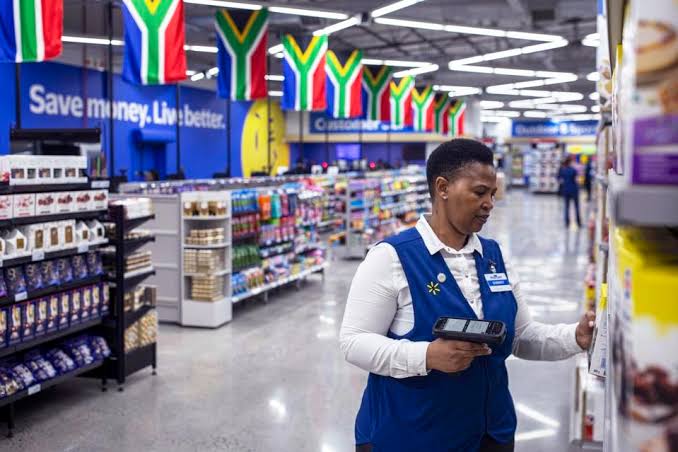
In October 2026, nearly 150 entrepreneurs arrived in Bentonville to pitch products to Walmart and Sam’s Club merchants. They came from 35 states and Puerto Rico. Fifty-four received “Golden Tickets,” an opportunity to sell through the retailers’ stores or online. The other pitches did not become tickets. Even for winners, the ticket was a chance to pursue a sale, not a guarantee of a contract.
For a brand, the pitch is one visible moment in a longer process. The less visible work includes identifying each item correctly, lining up production, meeting insurance terms and having enough cash to fill an order. Those demands matter in a business landscape where Census data counted 201,000 Black-owned employer firms in 2023, representing 3.4% of U.S. employer firms and $249 billion in receipts. Receipts are not profit, and they do not tell a founder how much cash is ready for inventory.
The guide below focuses on supplying Walmart with goods for resale. It combines Walmart’s published requirements with practical preparation. The rules can change by product, channel and supplier arrangement. A brand should confirm what applies to its own products. Walmart Marketplace, where third-party sellers list online, is a separate route.
1. Get the Business and Tax Records in Order
Walmart requires U.S.-based suppliers to provide a federal Taxpayer Identification Number in their application documents. Make sure the business name and tax information match across company records. If the company is an LLC or corporation, keep its state formation documents current. That is sound preparation; Walmart’s published requirement is the federal TIN.
A founder should also check the company’s Dun & Bradstreet listing for errors. Walmart’s supplier requirements page explains how to review the listing and says paid D&B services are not required for Walmart registration. There is no need to buy credit-monitoring services just because a sales pitch suggests they are mandatory.
Ownership records deserve the same care. If investors, co-founders or a parent company are involved, know who can sign contracts and approve spending. A retail deal can bring growth, but it can also change who makes decisions.
2. Assign the Right Product Identifiers
Walmart requires product suppliers to provide a GS1 Company Prefix number on application documents. The prefix connects the company to GTINs and UPCs used to identify products in retail systems. A new size, shade or package configuration may need a distinct identifier, so map the range before submitting items.
GS1 US explains its UPC and barcode options. Check that the type you plan to buy meets Walmart’s prefix requirement. A cheaper code may not satisfy it.
The identifier is only part of the item record. Keep one accurate sheet with each product’s name, dimensions, weight, ingredients or materials, case quantity, images and required warnings. When the product changes, update its records and packaging too.
3. Find Out Which Insurance Limits Apply
Walmart requires approved product suppliers to maintain insurance and provide proof. For U.S. goods sold for resale, its insurance requirements set commercial general liability at $1 million per occurrence and $2 million aggregate. Product liability limits depend on category. For non-food goods, the listed limits range from $1 million/$2 million in Category I to $10 million/$20 million in Category III. Food and drink have separate limits.
Some suppliers may qualify for an exception to the higher product-liability limits. The document describes this for suppliers with annual gross merchandise value no greater than $1 million that do not sell Category III products, provided they meet at least Category I requirements. A supplier selling in several categories must meet the highest applicable limit.
Ask a broker to review the matrix against your products. Include the premium, deductible and any policy changes in the cost model. Those expenses reduce the amount left from each sale.
4. Know How Many Units You Can Actually Make
A sample shows what a brand can produce today. It does not answer whether the company can meet a larger order or replenish it on time. Prepare production figures for realistic and high-demand scenarios, including lead times and minimum order quantities.
If a contract manufacturer makes the item, get its capacity and schedule in writing. Walmart requires suppliers to disclose facilities within its audit scope; making products at an unauthorized facility can put the relationship at risk. Its Factory Capability & Capacity Audit applies to direct-import factories producing non-food, non-packaging goods. New factories in that program must complete the audit before an order commitment.
Open Call has a different condition. Walmart says products must be made, grown or assembled in the United States to qualify. A brand considering the event should check its current category and eligibility rules before preparing a pitch.
5. Put Quality Checks Into the Work
Walmart expects suppliers to follow applicable federal, state and local laws, along with Walmart-specific product rules. Depending on the product, the retailer may require food-safety, general merchandise, health-and-wellness, responsible-sourcing or supply-chain-security audits, certifications or tests. Suppliers must provide required results and address issues.
That means a quality process needs to live on the factory floor, not just in an application folder. Record incoming materials, production batches and product tests where required. Keep a way to trace an item to its lot and document customer complaints. For food, cosmetics, supplements and other regulated categories, confirm the relevant rules before making claims on the package.
A founder should also know who can stop production if something goes wrong. One defective batch can lead to returns, a recall or lost shelf space. The response cannot be improvised after products are already in stores.
6. Make the Package and Shipment Work
A package can look polished on a shelf and still fail in a distribution center. Walmart’s supplier guidance asks brands to consider case durability and dimensions, labels, pallet configuration and trailer loading. Review its supply-chain packaging guide for the specifications that apply to your goods.
Test a full case before committing to a large shipment. Handle it, then check for crushed corners, leaks, broken seals or peeling labels. Confirm how many units fit in each case and how cases sit on a pallet.
The shipping plan needs an owner. Decide who books freight, prepares documents, tracks orders and responds to a delay. Walmart’s guide specifies advance shipment notices and SSCC-18 shipping-label barcodes for domestic shipments. These identify shipments, while a UPC or GTIN identifies the retail product.
7. Check the Cash Before Taking the Order
A retail order can require payment for materials, manufacturing, packaging, freight, insurance and labour well before the brand receives revenue. Work out the delivered cost of each unit. Add promotions, returns and any fees or deductions in the agreement, then test whether the wholesale price still leaves a viable margin.
Walmart’s supplier agreement describes payment processing using conditions such as accepted delivery, invoice receipt, delivery timing or a pay-from-scan arrangement. Read the agreement and order terms closely. Use the actual payment triggers to forecast the cash gap, not a generic payment assumption.
Walmart has financing programs for eligible suppliers, but a brand should not treat them as guaranteed working capital. Its supplier resource page links to finance options. The retailer’s Supplier Academy also offers free, on-demand learning for entrepreneurs preparing to work with Walmart.
“A slow build is so much better. There’s no shame in building your brand in 10 years versus two years.”
— Sharon Chuter
Chuter’s experience shows why a product launch and the ability to supply retail are different milestones. The U.S. Chamber of Commerce reported that UOMA introduced a 51-shade foundation line at Ulta in 2019 and later rolled out UOMA by Sharon C to more than 3,000 Walmart stores. Its profile says Chuter subcontracted manufacturing and drew on supply-chain experience from earlier beauty-industry jobs.
Blackelites.com’s account of Tristan Walker’s path into national retail offers another case of a culturally specific brand reaching a broader market. These outcomes are not a promise of what another company will achieve. They do show that customer demand and a strong identity need production and distribution behind them.
We’re helping suppliers through free educational resources that most small businesses would typically have to pay for.
— Cat Wiggen
A supplier does not need to learn every process alone. Walmart’s training can help a founder understand the system, but it cannot decide whether a deal is affordable or whether its terms protect the business.
Frequently Asked Questions Walmart Supplier Requirements
Does Walmart require every supplier to have a GS1 Company Prefix?
Walmart lists a GS1 Company Prefix as a requirement for product-supplier applications. Confirm the current identification rules for your category and channel, and assign identifiers to product variations before submitting item information.
Does every supplier need the same insurance limits?
No. Walmart’s published limits vary by product category. Some suppliers may qualify for an exception to higher product-liability limits. Review the current matrix with an insurance broker familiar with your products.
Is Walmart Open Call open to every product?
No. Walmart says products must be made, grown or assembled in the United States to qualify. The event also excludes some categories, so check the current eligibility rules before applying.
Does receiving a Golden Ticket guarantee a Walmart contract?
No. A Golden Ticket gives an entrepreneur an opportunity to sell through Walmart or Sam’s Club stores or online. It does not guarantee a contract or a particular rollout.
How should a small brand prepare for a large order?
Document production capacity, test packaging, calculate delivered unit costs and forecast cash flow using the actual order terms. If a manufacturer is involved, confirm capacity and lead times before committing to delivery dates.
Where can a brand learn Walmart’s supplier processes?
Walmart’s Supplier Academy offers free learning for entrepreneurs preparing to work with the retailer. Its supplier resources page also links to requirements, compliance information and financing options for eligible suppliers.