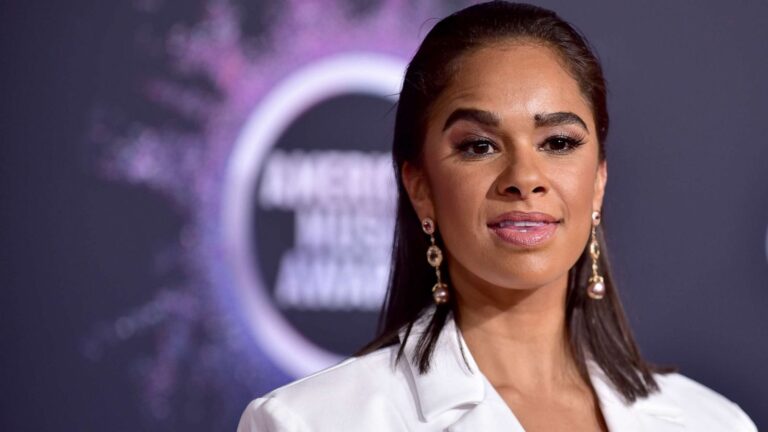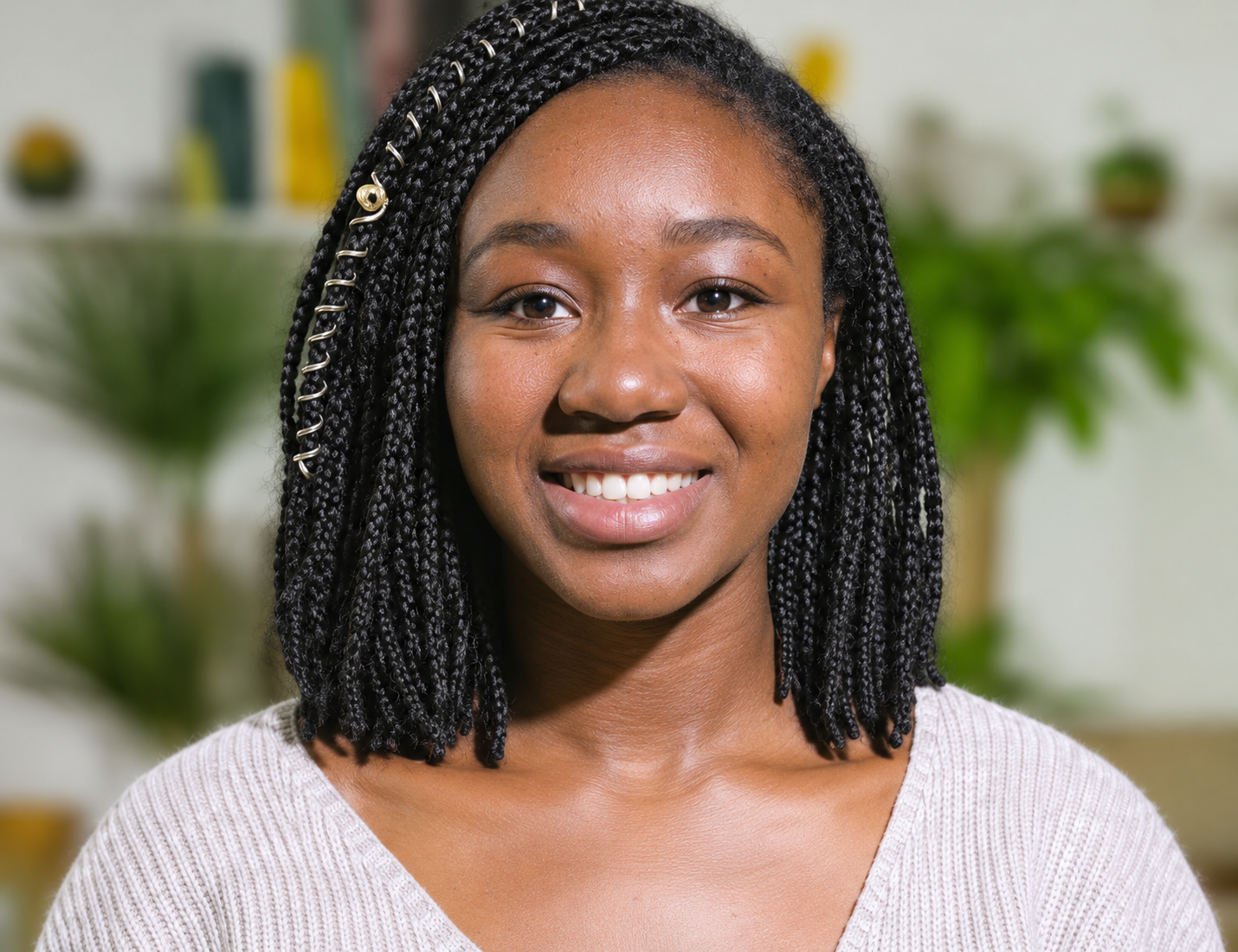
In January 2023, Ndrika Anyika and Lami Okrekson began the cinematography master’s program at Britain’s National Film and Television School (NFTS). They were the first recipients of the Netflix Black British Woman Cinematographer Scholarship. Netflix funded the two-year program and supported living expenses.
For Anyika, that support helped make full-time study possible. Before NFTS, she was shooting projects for artists and cultural organizations in Leeds. She wanted to develop her cinematography skills, but a two-year program meant giving up time she could have spent earning. The scholarship eased that trade-off.
Her credits now include short films, documentaries and the ITV1 sketch show Say! Less! They document steps into broadcast work. The larger question is how a cinematographer turns training and credits into access to higher-budget productions, where the crews, schedules and technical demands can be greater.
The Decision to Return to Training
“I felt somewhat stuck in the type of work I was doing back in Leeds,” Anyika told the NFTS. She had built a niche, but wanted an environment focused on cinematography: its technical demands, creative choices and practical work with cameras and crews. She mentioned:
“I felt somewhat stuck in the type of work I was doing back in Leeds.”
— Ndrika Anyika
The program gave her access to facilities and time to practice with film cameras and lighting. Anyika later said she gained experience shaping light in large spaces and shooting on film. Those skills take equipment and repeated practice; occasional freelance jobs may not offer the same conditions.
Netflix funded the scholarship. NFTS provided the instruction, facilities and course. Anyika and Okrekson began in January 2023, and the school later announced that the scholarship would continue for another student. The original announcement said the award would cover the program and living expenses.
The award did not promise a job after graduation. It did make it easier for Anyika to focus on training and complete projects while studying. In a career built around productions that start and end, that time can yield work she can show to a future director or producer.
A Portfolio That Shows the Work
NFTS credits Anyika as cinematographer on Sunset on Pluto, a short film completed in 2025. The school’s crew listing names a director, producer, camera assistants, production staff, sound team, editor and colorist. The credit places Anyika’s work within a larger production, where visual choices depend on coordination with other departments.
A director can watch the film and judge the images: how a scene is lit, how close the camera sits to a character, whether the look supports the story. A resume can list a course or job title. A finished project makes the work visible.
Anyika’s credits also include the short films Flown and Fallout, along with documentaries such as Trailblazers, Fold and Hair Shop. That range gives potential collaborators more than one format to consider.
Her path into specialist training began before the Netflix scholarship. In 2020, the University of Westminster reported that Anyika, a graduate of its Broadcast Television Production program, had joined New Creatives North, a BBC and Arts Council England-backed initiative. The program offered mentors and funding to make new work. Anyika’s film Namesake was inspired by her Nigerian heritage.
The scholarship was one stage in a longer sequence. Anyika had already done freelance work and made Namesake. NFTS then gave her a different kind of opportunity: sustained practice in a specialist setting, alongside students learning other production disciplines.
What the Television Credit Establishes
Anyika is credited as director of photography on Say! Less!, a 2025 ITV1 sketch show about the online-influenced lives of Generation Z Black Britons. ITV included it in its Fresh Cuts slate. The show’s crew listing names Anyika alongside its directors, producers, writers and commissioners.
The credit confirms that Anyika worked as director of photography on a broadcast production. It does not establish the production’s budget. Higher-budget television is a different scale of work, with more resources and larger crews. A cinematographer’s portfolio and experience can help make the case for those jobs, but hiring remains a decision made by the production team.
Anyika has described the value of the connections made through NFTS and Netflix:
“NFTS and Netflix have provided me with opportunities, skills and network connections that have already proved invaluable.”
— Ndrika Anyika
In 2026, she joined the roster of Wizzo & Co, a talent agency representing film and television professionals. The agency lists her work across documentary, drama and music projects, and says it has appeared on the BBC, ITVX, BFI Flare and Sheffield DocFest. Representation gives potential clients another way to find her.
The Credit Is Not the Ownership
A cinematographer shapes a production’s images. A credit identifies that contribution, but it doesn’t say who owns the finished work, controls distribution or earns revenue from later use. Those terms depend on the agreements made for each project.
For Anyika, the credits provide evidence for future employers: they show the role she performed and give collaborators work to review. Her portfolio can show her visual approach. Say! Less! adds a broadcast credit. Her agency provides another route to potential clients. Those facts don’t reveal her fee or the rights attached to any particular production.
Anyika has also spoken about stories she believes are missing from film. In the NFTS interview, she described herself as a Black northern woman of Nigerian heritage. Her earlier film Namesake drew on that heritage. These details connect her perspective to the work she has chosen to make, without establishing who owns or distributes those films.
A 2015 study of UK films found that women held 7 percent of cinematographer roles in its sample. Black, Asian and minority ethnic women made up less than 1.5 percent of the key personnel studied. The figures describe that year’s film sample, not the current television workforce, but they show how narrow access to key creative roles was in that period.
The Job After This One
Anyika’s route includes freelance work in Leeds, a university degree, Namesake, the New Creatives program, NFTS training, film and television credits, and agency representation. Those milestones show how her work has developed. They don’t remove the uncertainty of project-based employment.
When a production wraps, the next job has to be found. Anyika now has a body of work and a representative who can put it before potential clients. The next production will bring its own creative brief, crew and terms. That is where her training and previous credits meet the day-to-day business of cinematography.
Frequently Asked Questions about Ndrika Anyika
Who is Ndrika Anyika?
Ndrika Anyika is a British cinematographer of Nigerian heritage. She studied Broadcast Television Production at the University of Westminster and completed cinematography training at the National Film and Television School as a Netflix scholarship recipient.
What did the Netflix scholarship cover?
The scholarship funded the two-year cinematography program and supported living expenses. Anyika said Netflix’s support helped relieve financial pressure and gave her more freedom to focus on developing her craft.
What television work has Anyika done?
Anyika is credited as director of photography on Say! Less!, a 2025 ITV1 sketch show. Her other credits include the short film Sunset on Pluto and documentaries such as Fold, Hair Shop and Trailblazers.
Why does a cinematographer need a portfolio?
A portfolio lets directors and producers review a cinematographer’s visual choices in finished work. It gives them a way to assess craft and range beyond a resume or training credential.
Does a cinematography credit mean the cinematographer owns the film?
No. A credit identifies a person’s role in making a production. It does not establish ownership, distribution control or revenue rights; those depend on the project’s agreements.