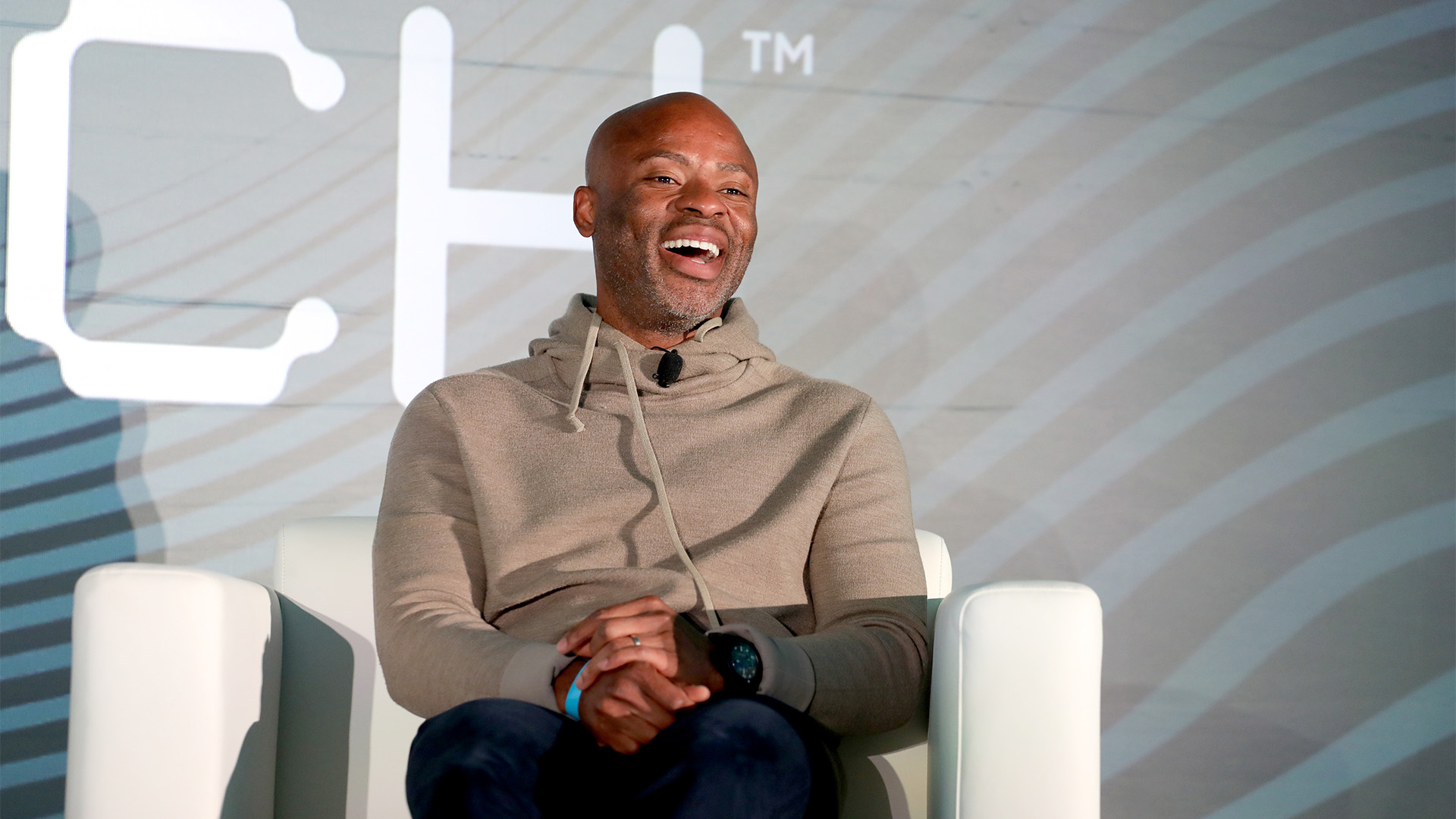
In software sales, setting up a meeting could take days of emails. Tope Awotona had run into that problem himself. In 2013, he launched Calendly, a scheduling service designed to let people choose a meeting time without the back-and-forth.
Awotona was born in Lagos and moved with his family to Atlanta in 1996. He studied computer science at the University of Georgia. After graduating, he built his career in software sales, working for technology companies including EMC. His experience involved selling software products and understanding the challenges businesses faced when adopting digital tools.
One recurring frustration stood out: arranging meetings often required lengthy email exchanges, with participants going back and forth to find a time that suited everyone. In 2013, he founded Calendly to address that problem. He launched the company from Atlanta Tech Village, an entrepreneurial coworking community that provided access to a network of founders and an environment for developing early-stage businesses.
Putting Personal Money Into the Company
A 2022 Forbes profile reported that Awotona invested about $200,000 of his savings, including money from his 401(k), and used credit cards to help fund Calendly. The company later attracted outside backing. Atlanta Ventures later led a seed investment of about $550,000 after Calendly had built its first product.
In 2021, Calendly raised $350 million in a round led by OpenView Venture Partners and Iconiq Capital. The financing valued the company at about $3 billion at the time.
A Link that Could Bring In the Next User
Calendly let people start using its basic service for free. When a user sent someone a scheduling link, the recipient experienced the product too. That setup gave the service a possible path from individual use to broader adoption.
The company later added tools for routing meetings and connecting Calendly with workplace software. Forbes reported in 2022 that enterprise features and large customers were becoming more important to the business. Calendly’s current site describes a broader meeting-management platform.
Awotona’s financial risk is one part of the story. The reported sequence also includes an early product, seed investment and a much larger institutional round. Calendly’s growth rested on the product and later financing as well as Awotona’s initial investment. His personal exposure is a documented fact, not a guarantee that founders who take similar risks will succeed.