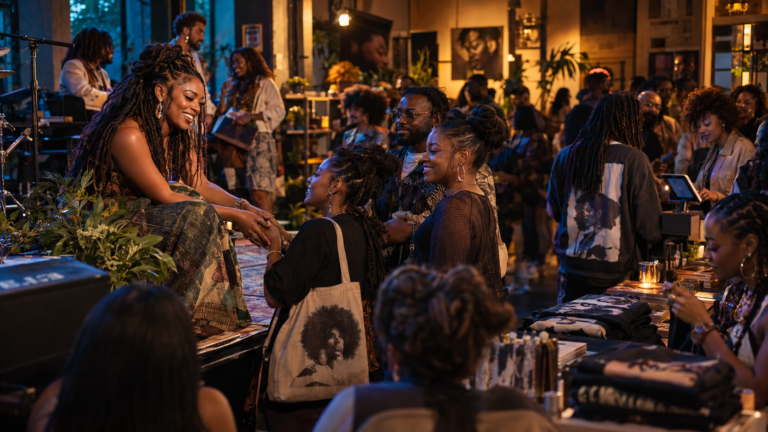
In 2021, Kerby Jean-Raymond brought Pyer Moss’s first couture show to Villa Lewaro, the Irvington, New York estate built for Madam C.J. Walker. Designed by Vertner Woodson Tandy, New York’s first registered Black architect, the house gave the presentation a history the clothes could not carry alone.
The collection honoured 25 Black inventions. Vogue reported that Jean-Raymond was the first African American designer invited to present on the Chambre Syndicale’s couture calendar. When Pyer Moss opened 100 seats to fans, more than 9,000 people registered within an hour. The show drew attention, but its setting and subject gave that attention a reason to matter.
That distinction matters to luxury brands looking to keep Black customers. A campaign can bring people to a store or a website. The product, service and conduct of the company have to give them a reason to return.
The market is large. McKinsey estimates that Black consumers in the United States spent about $910 billion in 2019 and projects spending of $1.7 trillion in 2030, in nominal dollars. Those figures cover consumer spending overall, not luxury goods or affluent shoppers alone. They show the market’s scale; they do not guarantee any brand a share of it.
What the Research Says about Choice
McKinsey’s research offers clues about how Black consumers make purchasing decisions. In one survey, 81 percent of Black respondents said they were willing to switch brands. Fifty-six percent said they conducted in-depth research, and 53 percent preferred shopping where they could get help from sales professionals. At the same time, 68 percent said they were loyal to brands that satisfied them. These figures cover respondents across consumer categories; they are not a profile of affluent luxury shoppers alone.
Those findings present a clear challenge for brands. Customers can be open to alternatives and still stay loyal when a brand meets their expectations. For a luxury company, a strong first sale matters less if the customer has no reason to make a second one.
McKinsey’s fashion research looked more specifically at apparel, footwear, and luxury goods. It found that 83 percent of both Black and non-Black respondents were willing to switch luxury brands. Black consumers were up to 2.3 times more likely than non-Black consumers to switch to a Black-owned apparel or footwear brand. The research also found that brand inclusivity and leadership diversity ranked among the top ten buying factors for Black respondents considering luxury fashion, but not for non-Black respondents.
That does not mean every Black luxury customer chooses a Black-owned label or shares the same priorities. It does mean some customers consider the company behind a product alongside the product itself.
Cultural relevance may earn consideration. Quality, value, and the experience in the store or after checkout still have to support the purchase.
The Product has to Earn its Price
At LVMH’s 2014 shareholder meeting, chairman and chief executive Bernard Arnault described “affordable luxury” as an oxymoron. His wider point was that the premium depends on customers seeing a real difference in quality.
That difference should be visible in the materials, construction, fit, and finish. It should also show up in how the product wears, how it is delivered, and what support the customer receives if something goes wrong.
Cultural references can make a collection more meaningful. A campaign featuring a Black celebrity may bring new eyes to a house; a Black creative director may shape its point of view. Neither is a substitute for a product that meets the standard its price sets.
McKinsey’s wider research found that Black consumers value trustworthy brands, stated social missions and credibility within Black communities. Its fashion research also noted concerns about representation in leadership, design and corporate commitments. For a luxury house, those findings make cultural credibility part of the business question. A campaign alone cannot resolve it.
The Store Is Part of the Product
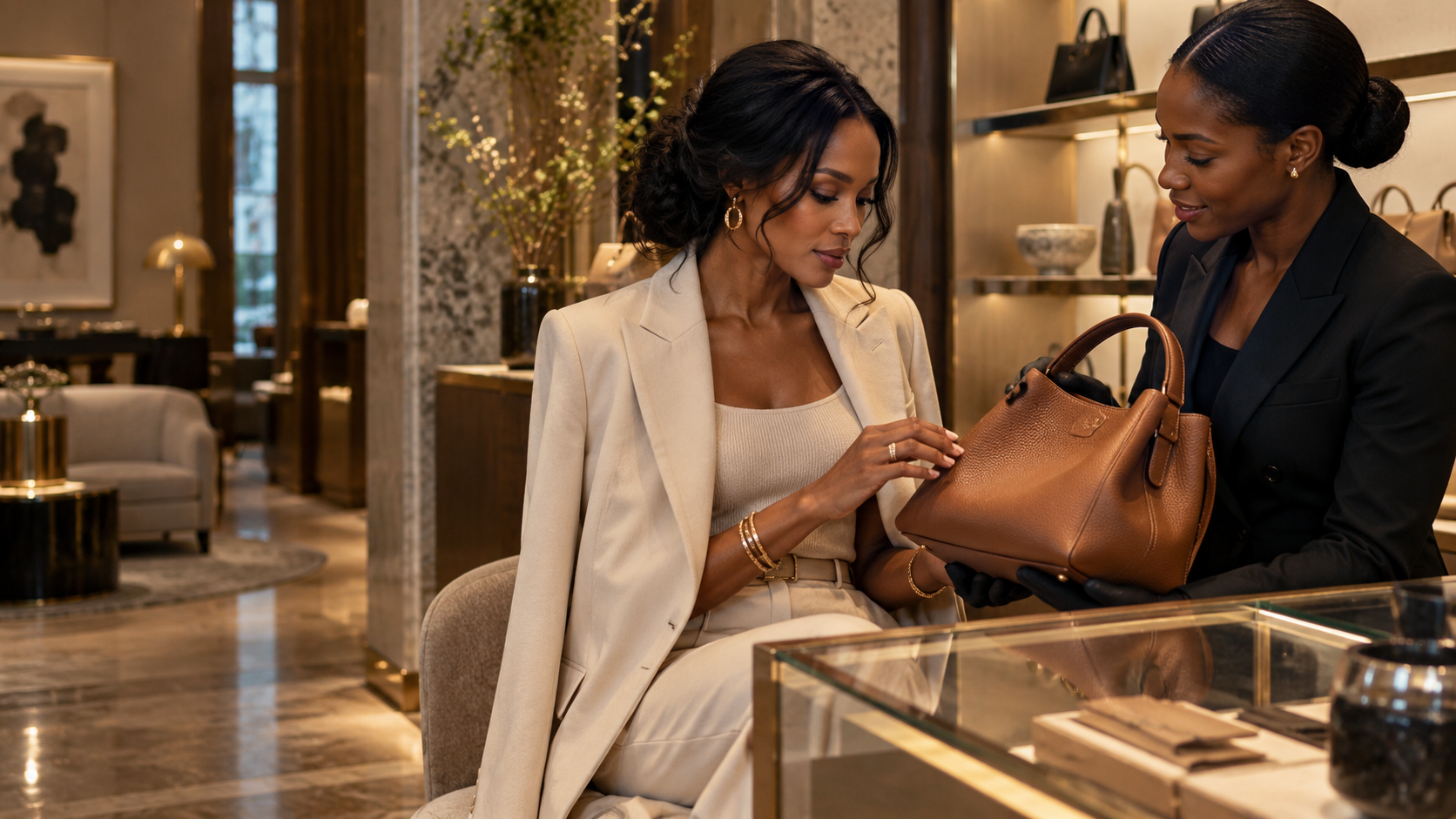
Luxury retail sells more than an object. Customers may expect knowledgeable staff, privacy, careful attention, and help that continues after the purchase. Those details contribute to the experience a premium price is supposed to buy.
McKinsey’s survey found that 53 percent of Black respondents preferred shopping where they could get help from sales professionals. Its apparel research also recorded concerns about inadequate customer service and staff knowledge. These findings cover broader consumer experiences; they should not be treated as results about every luxury store or customer.
A luxury brand can turn that insight into a practical test. Are sales teams prepared to answer questions about the products? Does the quality of attention change from one customer to another? Are private appointments, follow-up and complaint resolution handled with care?
A customer buying a handbag, watch, car or tailored garment is judging the interaction as well as the item. If the service feels careless or uneven, the price becomes harder to defend—and the customer has more reason to look elsewhere.
Attention is not a Relationship
Fashion journalist Robin Givhan was writing about independent fashion bloggers when she described how the established fashion industry drew in voices that had once operated outside it. Her observation offers a useful caution for brands courting Black consumers: institutions can adopt cultural influence without preserving the relationship or value that made it influential.
Because what the fashion industry loves, it woos—then swallows whole. —Robin Givhan
A brand may hire a Black designer, feature a celebrity or build a campaign around a cultural reference. Those choices can attract attention. If the partnership ends with the campaign, the brand may have gained visibility without earning lasting trust.
A stronger relationship requires decisions beyond advertising: meaningful creative partnerships, a place for Black talent in decision-making, fair treatment of collaborators and products that reflect more than a seasonal reference. These steps do not guarantee loyalty, but they give the brand more substance behind its message.
Four Things Worth Paying for
1. A Product that Holds Up
Materials, construction, fit and durability should support the price. If a product disappoints, a strong campaign will not make the customer forget the purchase.
2. Service that Feels Consistent
Staff should know what they sell and treat customers with care. Private appointments, thoughtful follow-up and effective after-sales support make the premium tangible.
3. Actions Behind the Public Message
Customers can see who leads a company, who gets to create and whether business decisions support its public positioning. A brand’s record will not determine every purchase, but it can affect whether its cultural claims feel credible.
4. A Reason to Return
McKinsey’s survey found both a willingness to switch and reported loyalty to brands that satisfy customers. For luxury brands, the task is to keep giving customers something they value, from product quality and service to access and personalization.
What Pyer Moss Put Together
At Villa Lewaro, the venue, collection and presentation spoke to the same history. The collection honored Black inventions; the estate connected the show to Madam C.J. Walker’s enterprise; and the couture-calendar milestone placed Jean-Raymond within a tradition that had rarely made room for Black designers. More than 9,000 registrations for 100 tickets showed the interest the event generated. That figure does not tell us how many viewers became customers or how the collection performed commercially.
Jean-Raymond described Pyer Moss as a platform that reached beyond clothing to its message, story and community:
We’re a platform. That’s what we do well, not just the clothes but the message, the story, and the whole community around it. —Kerby Jean-Raymond
The clothes, place and story worked together rather than relying on a single cultural reference. Not every luxury house needs to stage a show at Villa Lewaro. The lesson is more specific: context can deepen a product’s meaning when it is credible and connected to the work itself. Brands still have to make something customers want to own, then give them an experience that makes the purchase feel worthwhile.
The Decision Comes after the First Purchase
The growth in Black consumer spending makes the market difficult for luxury brands to ignore. McKinsey’s research also suggests that consumers may compare alternatives, research purchases and value trust, cultural credibility and service. The broader consumer data should be read in context: it does not measure luxury spending by affluent Black customers alone.
A customer does not have to leave an established luxury house for the market to change. The possibility of a credible alternative can be enough to make a brand work harder to keep that customer.
That work shows in the product, the treatment customers receive and the decisions behind the campaign. Cultural attention may open the door. What happens after the purchase determines whether the customer sees a reason to return.
Frequently Asked Questions
What does selective luxury mean?
It describes customers being deliberate about where they spend at the premium end of the market. The decision may reflect the product, its price, the service and the customer’s view of the brand behind it.
How much do Black consumers spend in the United States?
McKinsey estimates that Black consumers spent about $910 billion in 2019 and projects spending of $1.7 trillion in 2030, in nominal dollars. These are estimates for consumer spending across categories, not luxury spending alone.
Are Black consumers more likely to switch brands?
In one McKinsey survey, 81 percent of Black respondents said they were willing to switch brands. In separate fashion research, 83 percent of Black respondents said they were willing to switch luxury brands. The surveys cover different questions and should not be treated as the same measure.
Do Black consumers prefer Black-owned luxury brands?
McKinsey found an outsize preference for Black-owned brands and brands that speak to Black culture. In fashion, Black consumers were up to 2.3 times more likely than non-Black consumers to switch to a Black-owned apparel or footwear brand. That finding does not mean every Black consumer will make that choice.
Does cultural relevance replace craftsmanship?
No. Cultural relevance can influence consideration, but the product and service still need to justify the price.
What can luxury brands do to retain Black customers?
They can make products that meet the expectations set by their prices, provide knowledgeable and consistent service, build credible cultural relationships and ensure their business decisions support their public message.