

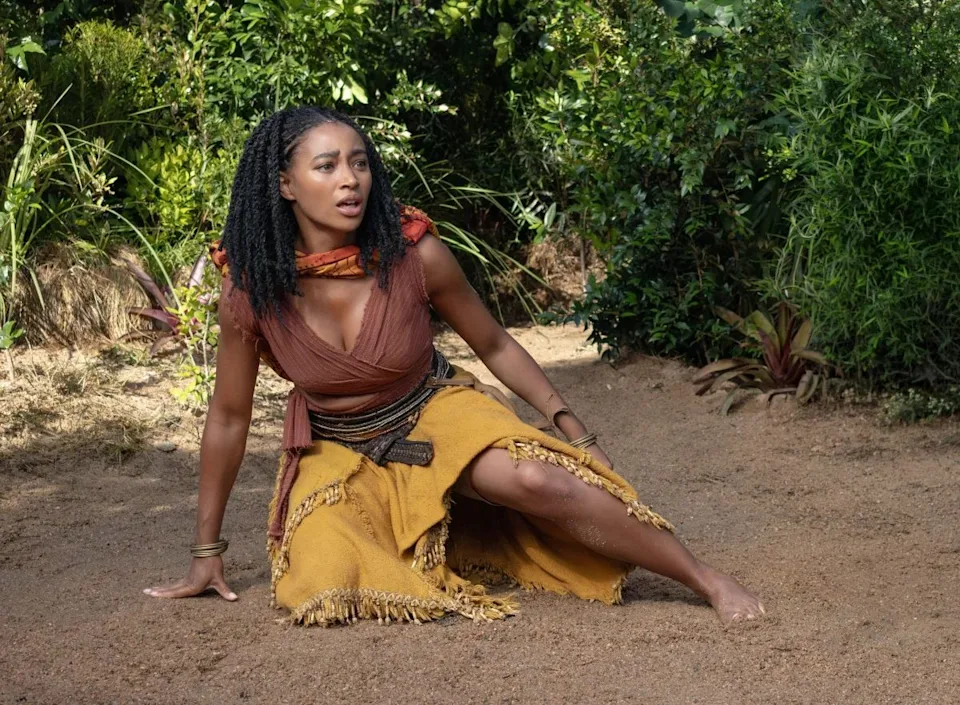
Nobody expected a Yoruba-inspired fantasy to become one of Hollywood’s boldest luxury statements. But here we are. Ever since Children of Blood and Bone topped The New York Times Young Adult bestseller list, African-inspired epics have been quietly working their way from the margins toward the mainstream. Turning Yoruba heritage into cinematic haute couture, though? That was never going to be a safe bet.
Director Gina Prince-Bythewood took it on anyway. With Thuso Mbedu, Idris Elba, Viola Davis, and Regina King leading the cast, she’s using elaborate costuming and full-scale world-building to fuse West African tradition with luxury Afrofuturism, at blockbuster budget, blockbuster scale.
The Novel Turned Heritage Into Fantasy Capital
Tomi Adeyemi’s original 2018 novel was rooted in culture. The Nigerian-American writer pulled from West African mythology, Yoruba tradition, and her own experience of being Black in America to build Zélie Adebola and the fictional kingdom of Orïsha.
The book stayed on the NYT bestseller list for more than 125 weeks. Adeyemi has said the whole idea sparked during a trip to Brazil, where she saw West African deities depicted with real beauty and reverence, something she rarely got to see growing up in the fantasy stories she loved.
And that matters, commercially, more than it might seem.
African cultural symbols have traveled the globe for generations — through music, hair, jewelry, fabric, spirituality. What’s happened far less often is building major entertainment properties where those ideas sit at the center of the world, instead of decorating the edges of someone else’s story.
Orïsha flips that.
Yoruba language and cosmology are the foundation here. They helped build the world from the ground up.
When Yoruba Aesthetics Become Luxury
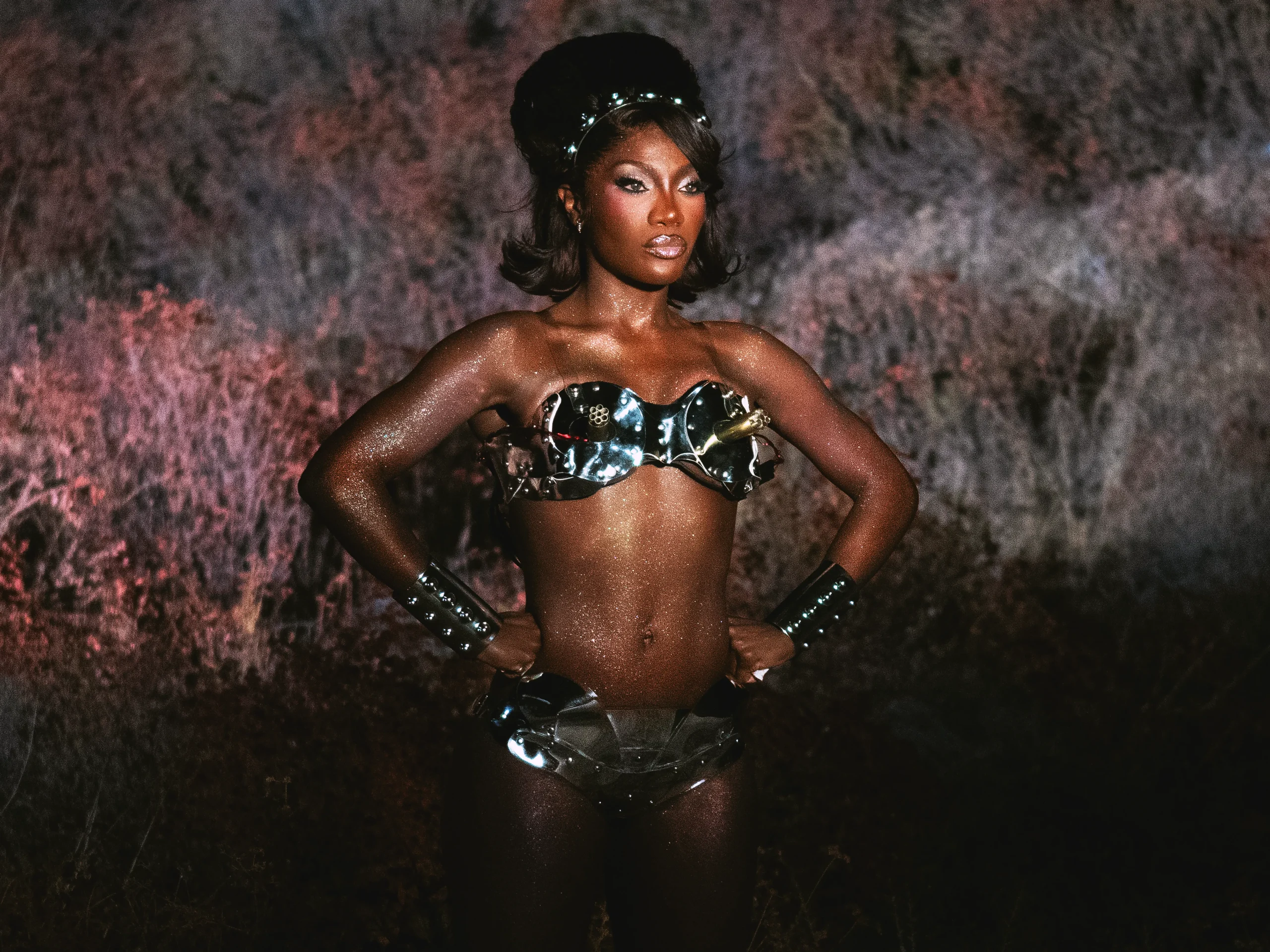
Calling the film’s look “haute couture” is about positioning, about status. The early images present African-inspired design as something aspirational rather than folkloric. From layered fabrics and elaborate headpieces to intricate metalwork and ceremonial silhouettes, every detail leans into a distinctly African vision of luxury.Costume designer Charlese Antoinette Jones is working alongside production designer Hannah Beachler, who you might know from her Oscar-winning work on Black Panther. Filming happened in South Africa and the Canary Islands, real locations, real landscapes. Prince-Bythewood has said the team wanted actual places, not a world built entirely against green screen.
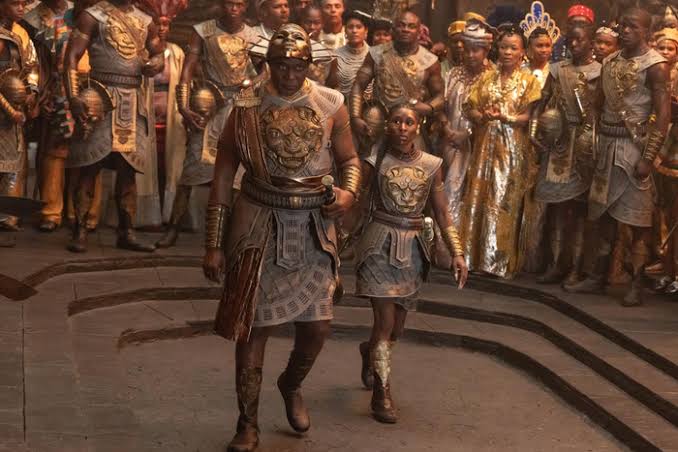
That choice matters, because visual culture creates ripple effects.
A successful fantasy franchise doesn’t stay in the cinema. It spills into fashion, jewelry, publishing, tourism, beauty, gaming, merchandise, licensing — all of it. So the real commercial question isn’t just whether people like Zélie’s outfits. It’s whether African designers and businesses actually get a seat at the table once global audiences start hunting for the cultures behind the screen.
For Black Americans, Orïsha Offers a Different Africa
There’s another layer here, one that might explain why this story travels so well.
Adeyemi has called Children of Blood and Bone an allegory for the modern Black experience, even as the story itself pulls directly from her Nigerian family’s Yoruba heritage. That puts the franchise somewhere between Africa and its diaspora. Not fully inside either.
Think about a Black teenager in Atlanta, or Chicago, or Baltimore, encountering Yoruba ideas through Zélie for the first time. Africa isn’t introduced through slavery. Not through poverty, not through colonial history. It’s the starting point for magic. For royalty. For power and imagination.
For an African viewer, it lands differently. Names, sounds, visual references that Hollywood once treated as too niche, too local, are suddenly being packaged for one of the biggest formats cinema has.
But here’s the catch — neither audience should mistake fantasy for history. Orïsha isn’t Yorubaland. Visual spectacle isn’t cultural accuracy, no matter how good it looks. That line matters even more right now, because Adeyemi publicly distanced herself from the film this month. She said she won’t even watch it, citing painful experiences behind the scenes. She’s still credited as a screenwriter. But that public rift raises real, unanswered questions about authorship and creative control — questions that no amount of beautiful costuming can settle. That may be the story’s most important business lesson.
The Real Luxury Is Ownership
African culture is no longer fighting for recognition alone. The conversation is increasingly shifting from visibility to ownership. Afrobeats, African fashion, contemporary art, Black diaspora culture — the demand is proven. Undeniable, at this point.
The next battle is different. It’s about ownership.
Who creates the characters? Who holds the rights? Who designs the products people actually buy? Who collects the licensing checks once African cultural ideas go global and fashionable?
Children of Blood and Bone could become a landmark moment for African-inspired fantasy — it’s got the ingredients. But the legacy that actually matters depends on something else entirely: whether this success cracks open a real commercial path, one that runs from Yoruba imagination straight into African and Black-owned businesses.
Being seen has value. Nobody’s arguing otherwise.
But owning what the world wants to see? That’s worth a whole lot more.

![Box Office Breakdown: Did [Black-Led Films] Dominate Summer 2026?](https://blackelites.com/wp-content/uploads/2026/10/Box-Office-768x432.png)