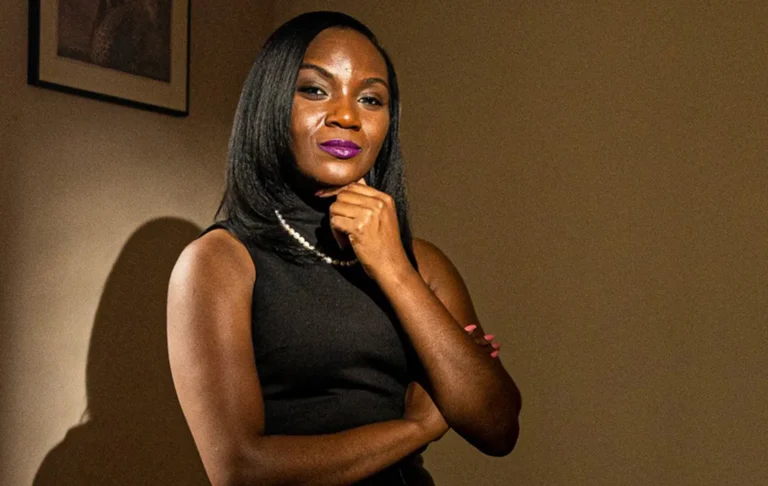
Thasunda Brown Duckett is the President and CEO of TIAA, one of the largest retirement and financial services companies in America. Her journey to building wealth didn’t start with a huge paycheck. It began with discipline, early investing, and a choice she made after graduating from the University of Houston in 1996 when her first salary was $26,000.
The $26,000 Decision That Changed Everything
Before she had a corner office, before joining TIAA, and before becoming a prominent Black woman in corporate America, Duckett made a financial decision that would influence her life.
After college, she began her career at Fannie Mae with an annual salary of $26,000. Instead of waiting to earn more, she chose to start saving right away. “I made $26,000 when I graduated from college,” Duckett said, noting that she “immediately maxed out” her 401(k) plan.
That choice is central to her wealth story. It wasn’t about having extra money. It was about creating a system before lifestyle expenses took over.
The Event Where She Shared the Lesson
Duckett shared her experience during Fortune’s Titans and Disruptors of Industry podcast. She discussed retirement, financial discipline, and the savings gap facing younger workers. Her message was clear: start with your first job, not the ideal salary.
“Especially for young people, retirement seems so far away, but there’s a hack,” she said, according to reports. “The hack is: first job, first dollar.”
For Duckett, the 401(k) was more than just an employee perk. It was a tool for building wealth. In 2026, the IRS set the annual employee contribution limit for 401(k), 403(b), most 457 plans, and the Thrift Savings Plan at $24,500, showing how vital retirement accounts are for long-term financial planning.
A Family Lesson Behind the Mission
Duckett’s sense of urgency also came from her upbringing. She grew up experiencing financial insecurity and later learned that her father, who worked in warehouse and truck-driving jobs for decades, had never contributed to his employer’s 401(k). This missed opportunity stayed with her.
“He never contributed $1,” Duckett said, describing it as “30-plus years of compounding that never got compounded.”
This experience shaped her views on wealth. In her opinion, generational wealth isn’t just about leaving money behind. It’s about giving the next generation better habits, access, and information.
From First Paycheck to Fortune 500 Leadership
Duckett later moved from Fannie Mae to JPMorgan Chase, where she led Consumer Banking, before becoming CEO of TIAA. By 2026, TIAA had grown to more than $1.5 trillion in assets under management, putting Duckett at the forefront of America’s retirement conversation.
Her journey answers a common question for young professionals: how do you build wealth when your salary is modest? Duckett’s answer is consistency. Save before spending. Use employer matches. Build an emergency fund. Then invest beyond retirement accounts.
“For young people,” she said, “max out understanding that you have to save to invest.”
Why Her Story Matters
Thasunda Brown Duckett’s story is impactful because it challenges the notion that wealth only starts when income is high. Her first major financial move happened when money was tight. That’s the lesson: generational wealth starts when discipline becomes a habit.
Her message to young workers is not rooted in fear. It is hopeful. “The future is always brighter,” Duckett said, “because we get to decide.”