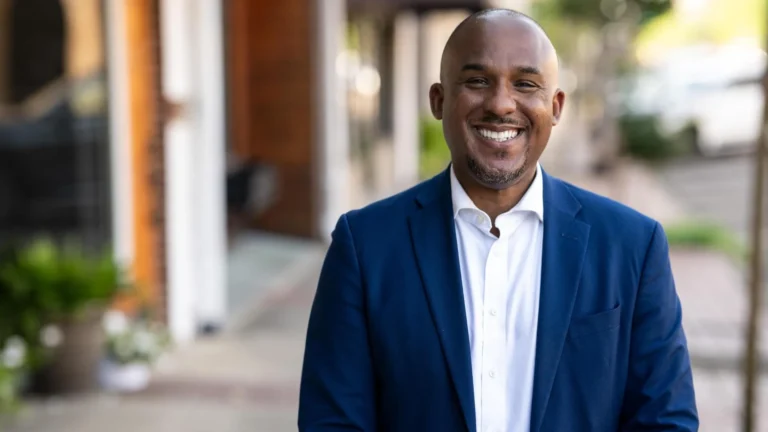
On November 3, 2026, Yvonne Bajela announced that Evertrue Capital had closed its first fund at $17 million. She had set out to raise about $13 million. Investor interest exceeded that goal, but she turned away additional commitments instead of increasing the fund. The decision puts a practical question at the center of her debut: how much capital can a new manager put to work without changing the way she wants to invest?
Evertrue is a London-based pre-seed firm focused on fintech, artificial intelligence and frontier technology. By the close announcement, it had backed seven companies and planned at least 20 over three years. TechCrunch reported an expected average cheque of about £350,000. The firm invests before a startup has much revenue, when a founder’s insight carries unusual weight.
The LP group includes the British Business Bank, which backed the fund as a cornerstone investor through Investor Pathways Capital, and Phoenix Court, where Bajela once worked. Phoenix Court invested through Basecamp, its fund-of-funds for emerging managers. Better Society Capital, Bootstrap 4F and Allocator One also joined the fund.
That mix gave Evertrue public and private institutional backing at launch. It also meant Bajela had to persuade investors to support a firm with no returns under its own name, even though her earlier investment work gave them a record to examine.
The Record Behind the New Firm
Bajela has spent more than a decade in venture investing. Her career includes Goldman Sachs, Mitsui & Co., Impact X Capital Partners and Phoenix Court. Her investments include Wise, Marshmallow and Moove. Born in London with Ghanaian roots, she has worked across Europe, Africa and Asia.
Those companies gave potential LPs examples of the kinds of founders and markets she had backed. Fund I was another proposition. Its investors were committing to her choices on sourcing, portfolio construction and follow-on support, with the results still years away.
Bajela described the fund as the culmination of her work with early-stage founders.
Building Evertrue is the culmination of more than a decade spent backing founders at the earliest stages, often before their potential was widely recognized.
— Yvonne Bajela
Evertrue was one of 10 managers selected from 151 applications for the Bank’s first Investor Pathways Microfunds cohort. Women made up 57% of the cohort’s general partners; 43% came from ethnic minority backgrounds, according to the Bank’s announcement. Investor Pathways Capital is a £400 million initiative. Its Microfunds pillar is for first-time managers raising funds between £5 million and £20 million.
The program is designed to help managers who struggle to access institutional capital build independent firms. The Bank says cornerstone commitments can help attract private investors; they do not guarantee returns.
Raising the Money Took Time
The UK venture market was not short of capital across the board. PitchBook data cited by TechCrunch showed emerging UK managers had raised $7.4 billion by the end of September 2026, more than the $6.2 billion raised during all of 2025. Those totals cover a whole class of funds. They do not tell the story of one first-time manager trying to secure commitments.
Bajela called the fundraising process a grind. Some of the rejections came after months of conversations. Each delay kept her in fundraising instead of looking at deals and helping founders. Until an investor signs up, interest is only interest.
Evertrue’s close exceeded its target, but that does not make fundraising easy for every new manager. The Bank provided a cornerstone commitment, Basecamp brought prior knowledge of Bajela’s work, and other institutions joined the LP base.
That Phoenix Court connection is worth a closer look. Bajela had worked in the group’s LocalGlobe and Latitude network. Basecamp then backed her independent fund through a vehicle meant for emerging managers. The relationship offered a basis for Phoenix Court to assess her as an investor, while Evertrue remained a separate business with its own strategy.
Why Bajela Stopped at $17 Million
Bajela said the fund’s size was a strategic choice.
Fund size is a strategic decision, not a measure of success in itself.
— Yvonne Bajela
Evertrue aims to back at least 20 companies over three years, with an expected average cheque of about £350,000. At that average, 20 first investments would total roughly £7 million. That arithmetic is only a guide to the initial cheques. The fund also needs to cover its operating costs and hold money for later rounds.
At pre-seed, the manager is making decisions before the outcome is clear. A broad portfolio spreads exposure across more companies, but small initial stakes can leave little room to support the ones that find traction. A narrow portfolio can give a fund more capacity per company, while concentrating risk in fewer businesses. There is no standard number that solves the trade-off; the choice depends on cheque size, ownership goals and how much the fund reserves for follow-ons.
Evertrue’s investment FAQ says it writes cheques between $150,000 and $500,000 per round, depending on the company’s stage, round size and ownership opportunity. The reported £350,000 average is a planning figure, not a promise that every founder will receive that amount.
More capital could have pushed the fund toward larger cheques, a bigger portfolio or later-stage investments. Any of those choices might have been reasonable, but each would have changed the model Bajela set out to run. By declining extra commitments, she kept the fund nearer the scale of her stated plan.
That does not settle the question of performance. Entry valuations, dilution, later financing and company growth will decide what LPs eventually receive. The cap simply limits how much capital the firm must deploy under this strategy.
At close, Evertrue had invested in seven companies, including Revion, Poindexter Labs, Zuba and Zaro. Reaching at least 20 over three years is a target, not a result already achieved.
UK Investors, US-Market Ambitions
About 80% of Evertrue’s limited partners are based in the UK. The rest are in Europe, Asia and the United States, Bajela told TechCrunch. The fund’s LP base is mostly British, even as its investor relationships span other regions.
The British Business Bank says at least 65% of Evertrue’s investments are committed to UK companies. Bajela also told TechCrunch that more than half of the existing portfolio operates in the US. One figure describes a minimum share of investments directed to UK companies; the other describes where portfolio businesses operate. They do not measure the same thing.
For a fintech or AI startup, a UK base and US customers can be part of the same growth plan. Evertrue’s UK commitment keeps much of its investment activity tied to British companies, while its international LP network and portfolio experience may help founders as they explore markets across the Atlantic.
The move still has to work commercially. Companies face new customer expectations, rules, hiring costs and sales cycles in the United States. Investor introductions can help get a meeting; the product has to earn the account.
The Portfolio Will Provide the Answer
Evertrue has closed its debut fund and started investing. Bajela raised above her target, brought in institutional LPs and stopped at $17 million. Whether her companies grow and return capital to LPs will take longer to establish.
Frequently Asked Questions About Yvonne Bajela
Who is Yvonne Bajela?
Yvonne Bajela is the founder and general partner of Evertrue Capital, a London-based pre-seed venture firm. She has more than a decade of investing experience and previously worked at Phoenix Court, Impact X Capital Partners, Mitsui & Co. and Goldman Sachs.
How much did Evertrue Capital raise?
Evertrue closed its debut fund at $17 million in November 2026, above its initial target of about $13 million. The fund was oversubscribed, and Bajela declined additional commitments rather than increase its size.
What is the British Business Bank’s role?
The British Business Bank is a cornerstone investor through Investor Pathways Capital. The wider £400 million initiative is designed to help first-time venture managers access institutional backing and build investment track records.
What does Evertrue invest in?
Evertrue backs early-stage businesses, with a focus on fintech, artificial intelligence and frontier technology. It invests across the UK and Europe, with at least 65% of investments committed to UK companies.
Why did Bajela cap the fund?
Bajela said fund size should fit the strategy. Evertrue expects average cheques of about £350,000 and plans to back at least 20 companies over three years, while retaining capital for operating costs and follow-on rounds.
How is Evertrue connected to the United States?
About 80% of its LPs are UK-based, while the rest are across Europe, Asia and the US. More than half of Evertrue’s existing portfolio operates in the US, but that does not mean that share of the fund’s capital is invested there.