On October 6, 2026, Sephora and the Fifteen Percent Pledge opened applications for the 2027 Sephora Beauty Grant. The award is $100,000 for one business. To apply, a brand needed at least $100,000 in annual revenue, a year in business, a U.S. location, a qualifying beauty product and 51% ownership by an underrepresented founder or team. The application closed November 6; the winner is expected to be announced in early February 2027.
Those requirements leave little room for guesswork. Founders who missed this round can still use them to plan for a future application. They should also keep the grant separate from Sephora Accelerate in their planning. The grant provides funding, pro-bono consulting and a chance to meet Sephora merchants. It does not promise a store listing. Accelerate is an incubator with different eligibility rules and a possible, but not guaranteed, path to retail.
The Grant’s Four Main Eligibility Tests
The Fifteen Percent Pledge’s 2027 grant page lists four core tests: the business must be based in the United States, have operated for at least one year, generate $100,000 in annual revenue, and sell a consumer packaged goods product in beauty, haircare, makeup or makeup tools, skincare, fragrance, or bath and body. At least 51% of the company must be owned by an underrepresented founder or founding team.
That threshold concerns ownership, not visibility. A founder may be the face of a brand and have created its products, but those facts do not establish majority ownership. Investors, co-founder agreements and equity transfers can change the cap table over time.
The Pledge’s public page does not prescribe a document checklist. Still, founders can make the ownership claim easy to substantiate by keeping formation records, operating agreements, signed equity-transfer documents and a current cap table together. The records should tell the same story. If the company has multiple share classes, convertible financing or unusual voting rights, the founder should understand how those arrangements affect ownership before applying.
This is also a useful point to revisit before raising capital. An investment may pay for manufacturing, marketing or new hires, while reducing a founder’s stake or decision-making control. The grant is described as grant funding, so the award itself does not require giving up equity. Eligibility and selection are separate matters, however: meeting the requirements does not secure the award.
What the Revenue Threshold Shows
The $100,000 annual revenue requirement signals that applicants need an operating business with sales, not only a promising product idea. The published grant page does not define the exact measurement period. Founders should retain sales records and follow the application’s instructions about which period to report.
Revenue alone says little about the company’s cash position. A brand can sell $100,000 worth of product and still struggle to cover production, packaging, shipping, marketing and inventory. The figure does not reveal profit, how much cash is on hand or whether the business can pay for its next production run.
Where the sales came from matters, too. Direct-to-consumer orders, wholesale accounts and marketplace sales can have different margins and payment timelines. A large wholesale order may increase revenue but require the company to pay a manufacturer before the retailer pays the brand. Founders should know what their sales figure includes and how each channel affects cash flow.
That timing pressure appears in the histories of beauty brands that have reached retail. LIHA Beauty’s founders started with personal savings, raised outside funding and built wholesale distribution. The UK company that traded as LIHA Beauty later entered insolvency. Its story is a reminder that a retail account can bring customers while adding inventory and cash-management demands.
Ownership Is More Than a Form Field
The Pledge’s requirement is straightforward: 51% or more must belong to an underrepresented founder or founding team. The public criteria do not explain every possible company structure or how each financing instrument will be assessed. Founders should not rely on job titles or informal agreements to demonstrate ownership. Signed records and a current cap table are a stronger basis.
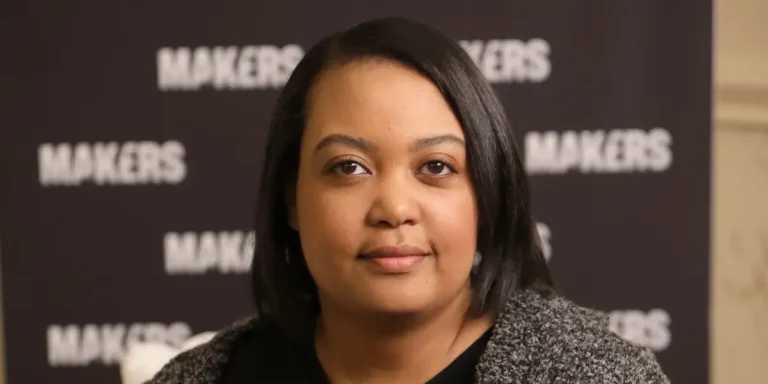
Aurora James, founder of the Fifteen Percent Pledge, explained the number behind the initiative in a 2020 Washington Post Live interview:
“I chose 15 percent because black people in America are almost 15 percent of the population.”
— Aurora James
The grant is one way the Pledge and Sephora are directing resources to underrepresented beauty founders. For an individual company, the larger ownership question is practical: how will it fund the next stage without changing control in ways the founders did not intend?
Accelerate Has a Different Bar
Sephora Accelerate is aimed at early-stage brands. Its FAQ says applicants must lead a North America-incorporated beauty company that is not yet widely distributed and has at least a working prototype or lab sample. Sephora lists vision, innovation and product development among the selection factors. The FAQ does not list the grant’s $100,000 revenue requirement as an Accelerate rule.
That distinction matters for founders choosing where to focus. A company with a product sample and limited distribution may fit Accelerate’s stated stage. A business with at least a year of operations and $100,000 in annual revenue may meet the grant’s published business criteria. They are separate opportunities, not two steps in a guaranteed progression.
Sephora reported in March 2026 that 41 brands had graduated from Accelerate and more than half had launched with the retailer. That is a program-wide result, not an individual applicant’s odds. The announcement describes support in areas such as launch fundamentals, scaling and long-term planning.
Priya Venkatesh, Sephora’s Global Chief Merchandising Officer, described what the program has brought to the retailer:
“This program has provided our diverse beauty community with some of their favorite holy-grail products”
— Priya Venkatesh
The program provides guidance and an opportunity to develop a brand; Sephora retains discretion over which brands it brings into its stores.
Product Readiness and Supply Are Operating Questions
The grant’s published eligibility list does not require a minimum number of SKUs, a particular manufacturer or a wholesale-capacity benchmark. Those should not be treated as grant rules. Accelerate, by contrast, does explicitly require at least a working prototype or lab sample.
For founders preparing for larger retail orders, product readiness has a practical meaning. The formulation should be stable, product specifications clear, packaging repeatable and required selling documents in order. These steps help a business operate at scale; the grant page does not list them as additional eligibility conditions.
Supply planning starts with costs and timing. How long does a production run take? What must be paid upfront? Which supplier, ingredient or packaging component could delay a shipment? A brand that depends on a single supplier needs to understand that risk before promising delivery dates.
Afrocenchix’s move from small batches into mainstream retail offers a useful comparison. Its story shows that getting listed is only part of serving customers consistently. Founders can read about Afrocenchix’s retail expansion and operating demands. A brand preparing for retail should model its margins at direct and wholesale prices, then account for production costs, freight and the time between paying suppliers and receiving payment.
Preparing for the Next Application
The 2027 application window has closed. The Pledge lists early January for finalist notifications and early February for the winner announcement. A founder planning ahead can use the published criteria to review revenue records, ownership documents, operating history and product category before another application opens.
The strongest preparation is ordinary business housekeeping: reconcile sales records, update the cap table, keep signed agreements accessible, and know what it costs to make and ship each product. For a company pursuing retail, add a cash-flow plan for larger orders. Those steps won’t guarantee a grant or a Sephora listing, but they will make the business easier to assess and manage.
Frequently Asked Questions
Is the Sephora Beauty Grant only for Black-owned businesses?
No. Black founders are eligible, but the grant’s definition of underrepresented founders includes other groups. At least 51% of the business must be owned by an eligible founder or founding team.
How much annual revenue is required?
The published criteria list $100,000 in annual revenue. The grant page does not define the measurement period there. Founders should keep sales records and follow the next application’s instructions on how to report revenue.
Does the grant guarantee Sephora shelf space?
No. The award includes an opportunity to meet Sephora merchants, but the grant page does not promise a retail listing. Completing Sephora Accelerate does not guarantee a store launch either.
Is the grant part of Sephora Accelerate?
No. Accelerate is for early-stage brands with a working prototype or lab sample. The grant has separate revenue, operating-history, location and ownership criteria.
Can founders apply for the 2027 grant now?
No. Applications ran from October 6 through November 6, 2026. The Pledge lists finalist notifications for early January and the winner announcement for early February 2027.
Is the $100,000 award a loan?
The program describes it as grant funding, not a loan. Applicants should review the award agreement for the final conditions on accepting or using the funds.