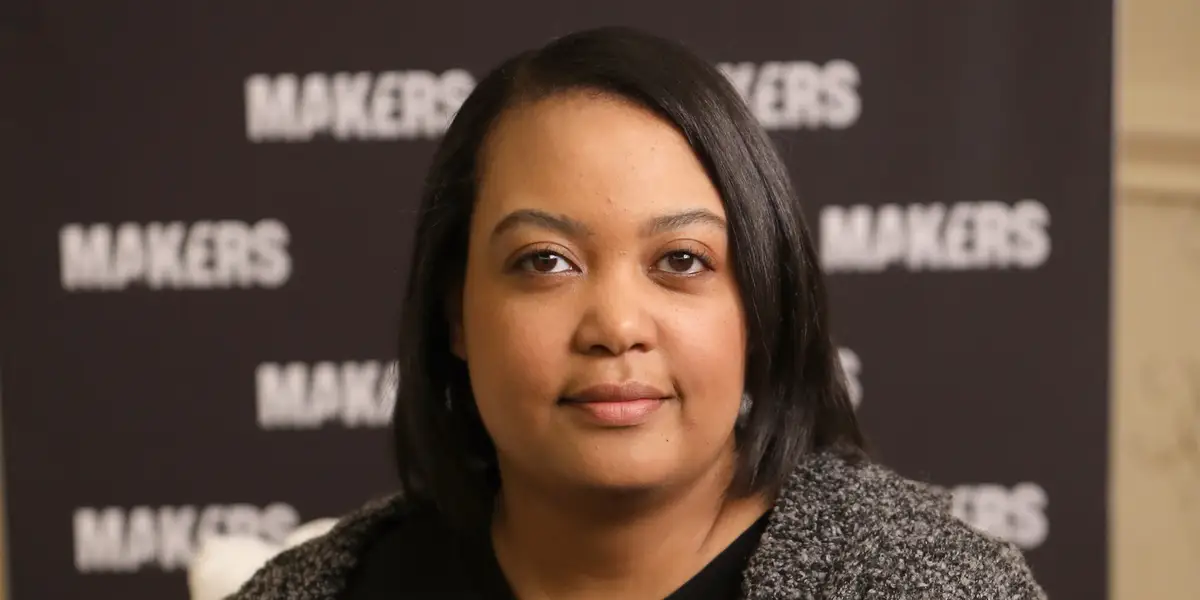
In December 2024, Arlan Hamilton announced that Backstage Capital would leave its traditional micro-fund approach. The firm would make fewer investments, she said, and put more money into companies with a clear path to acquisition or a public-market exit. Backstage had invested in more than 200 startups led by underestimated founders. Hamilton’s announcement set a new ambition for the firm: concentrate more capital in selected companies.
“We’re stepping away from the traditional micro fund approach and leaning into conviction-based investments.”
— Arlan Hamilton
The change came after a difficult period for Backstage. In 2022, the firm paused new investments and said it would focus on follow-on rounds for companies already in its portfolio. It was a practical response to a large roster of companies, limited reserves and a small team. Two years later, Hamilton was describing a broader shift in how Backstage would choose and fund future investments.
That evolution tracks a problem familiar to smaller venture firms. A first check opens the portfolio to more founders. But if the company begins to grow, the investor may need more money ready for later rounds. Backstage’s early strategy bought breadth; its newer one puts more weight on ownership and continued support.
The Early Check Was the Point
Backstage Capital launched in 2015 to invest in founders underrepresented in venture capital, including women, people of color and LGBTQ+ people. In an early interview, Hamilton said the fund’s first checks ranged from $25,000 to $100,000. Backstage announced its 100th investment in 2018, ahead of its original target date. By May 2022, it said it had invested in 200 companies.
For a young company, $25,000 can pay for a product test, a first hire or a few months of runway. It can also bring an investor’s introductions and credibility. Backstage extended that network through Backstage Crowd, a syndicate that let outside investors join selected deals. The firm explains its role in organizing those investments.
The first check mattered because many founders Backstage sought to back were outside the networks venture firms usually draw from. A fund focused on those founders could give them a route to capital that might otherwise be hard to reach. That did not guarantee a second round. It did give some companies an investor to call while they worked on customers, product and their next raise.
That next raise is where an early investor’s limits become visible. A startup issuing new shares dilutes earlier owners. Investors may be able to maintain their percentage through pro-rata rights, but they need cash available to do it. If the fund has already committed most of its capital to new companies, a promising portfolio company may have to seek follow-on money elsewhere.
In 2022, Backstage Turned Inward
In May 2022, Backstage announced it would stop making new investments and focus on existing portfolio companies. The firm said an opportunity fund it was still raising planned to invest $250,000 to $1 million across 30 companies and reserve more money for later rounds. TechCrunch reported that Backstage’s initial average check was about $40,000. The larger amounts were part of a plan, not completed investments.
It was a reversal in the firm’s rhythm. Rather than keep adding names, Backstage would direct its investment attention toward companies already on its books. More capital for a later round can help a startup hire, expand or reach the milestone it needs before raising again. A fund that has no reserves can watch a company it backed early move forward with other investors.
The portfolio also took work to manage. General partner Christie Pitts told TechCrunch the volume of deal flow was a “big lift to stay on top of” for a small team. A few weeks later, in June 2022, Hamilton said Backstage had cut its staff from 12 people to three. The reductions left fewer people to support a portfolio of around 200 companies.
That staff change was more than a line in a fund update. It narrowed the firm’s capacity at the same time it was promising to focus on portfolio companies. Founders need more than a name on a cap table when a round is delayed or a key hire is hard to find. A small team can provide meaningful support, but it cannot be everywhere at once.
The 2022 decision was a pause on new deals, with follow-on investment as the priority. Hamilton’s 2024 announcement went further. In an interview with Inc., she said Backstage aimed to make fewer investments than the 200 it had made over the previous decade, with higher amounts per deal. The firm was describing a new way to allocate capital, not simply a temporary hold on new checks.
What Bigger Checks Change
Venture investors spread money across companies because most startups do not become large successes. A broad portfolio gives the fund more chances to own a stake in an outlier. It also lets an investor back founders whose potential may not be obvious from a polished pitch deck or a familiar referral.
Harvard Business School professor Laura Huang described the risk investors take as they gain experience in a 2020 conversation with Hamilton:
“You get the experience by writing these checks, making mistakes, losing all of that money.”
— Laura Huang
A larger check can buy more ownership. It can also give a fund more reason to spend time helping a company through a difficult round or a shift in its business. If the firm holds reserves, it may be able to invest again as the company grows.
But a bigger check does not guarantee more influence. Board seats, information rights and pro-rata rights are negotiated. The terms depend on the fund’s role in the round, the company’s valuation and the financing documents. Backstage’s investor FAQ says it often invests alongside existing round terms, though it can lead. It also says syndicate investors generally receive more limited information rights than Backstage itself.
That distinction matters to founders comparing offers. A larger investment may bring more capital, but the founder needs to understand the ownership and governance terms attached to it. A smaller check can mean more room to retain control, but less runway. The decision involves both the money and the conditions around it.
For Backstage, concentrating more capital in fewer companies could give the firm a larger stake in those it selects and more capacity to follow on. It also means the firm’s results would depend more heavily on those companies. If several falter, the losses would weigh more than they would in a broader portfolio.
Portfolio Size Is Not a Return
Backstage’s investment count shows how many companies it backed. It does not show what limited partners earned. In a 2024 report, TechCrunch cited PitchBook figures showing more than 200 investments, about $20 million in assets under management and 56 exits. The exit count alone does not show how much each deal returned or whether proceeds exceeded the amount invested.
That distinction is central to the new strategy. A smaller portfolio may leave the team more time to work with each company. Larger positions may produce a more meaningful return if a company sells or goes public. Neither outcome follows from concentration alone; the company still has to grow, and the fund has to retain enough ownership to benefit.
Hamilton announced the investment shift alongside a leadership transition and a partnership with 360 Venture Collective. She said she would move from managing partner to chairperson and adviser. The announcement set out a new direction for Backstage. The investment results will depend on how the firm carries it out.
The Question Backstage Must Answer
Backstage started with a broad reach: small checks across a growing group of companies. The 2022 pause directed its attention toward follow-on funding. In 2024, Hamilton described a future with fewer investments and larger amounts per deal.
That strategy may give selected companies more support, while leaving fewer first checks for new founders. It also asks more of the firm’s investment judgment. The bets are larger, and so are the consequences when one does not work.
Founders will want to know what capital is actually available, how much the investor can reserve for later rounds, and what rights come with the money. Limited partners will look past company counts to realized proceeds, fees, carry and ownership at exit. Backstage’s next phase will be measured in those details.
Frequently Asked Questions about Backstage Capital
How much did Backstage Capital invest in its early checks?
Hamilton said Backstage’s early checks ranged from $25,000 to $100,000. TechCrunch later reported an initial average check of about $40,000. The range and average describe the firm’s earlier model, before its announced move toward fewer, larger investments.
What changed in Backstage Capital’s 2024 strategy?
Hamilton said Backstage would leave the traditional micro-fund approach and make fewer, larger, conviction-based investments in companies with a clear path to acquisition or a public-market exit.
Why did Backstage pause new investments in 2022?
Backstage said it would focus on follow-on rounds for existing portfolio companies. The team was managing a large deal flow, and the firm planned to reserve more capital for companies it had already backed.
Does a larger check guarantee an investor board or pro-rata rights?
No. Board seats, pro-rata rights and information rights depend on negotiated terms, the investor’s role in the round and the company’s financing structure. A larger check may strengthen an investor’s position, but it does not secure those rights by itself.
Does a concentrated portfolio produce better returns?
Not necessarily. Concentration can increase a fund’s ownership in selected companies, but it also makes results more dependent on those companies. Portfolio size or strategy alone cannot establish whether limited partners received a positive return.