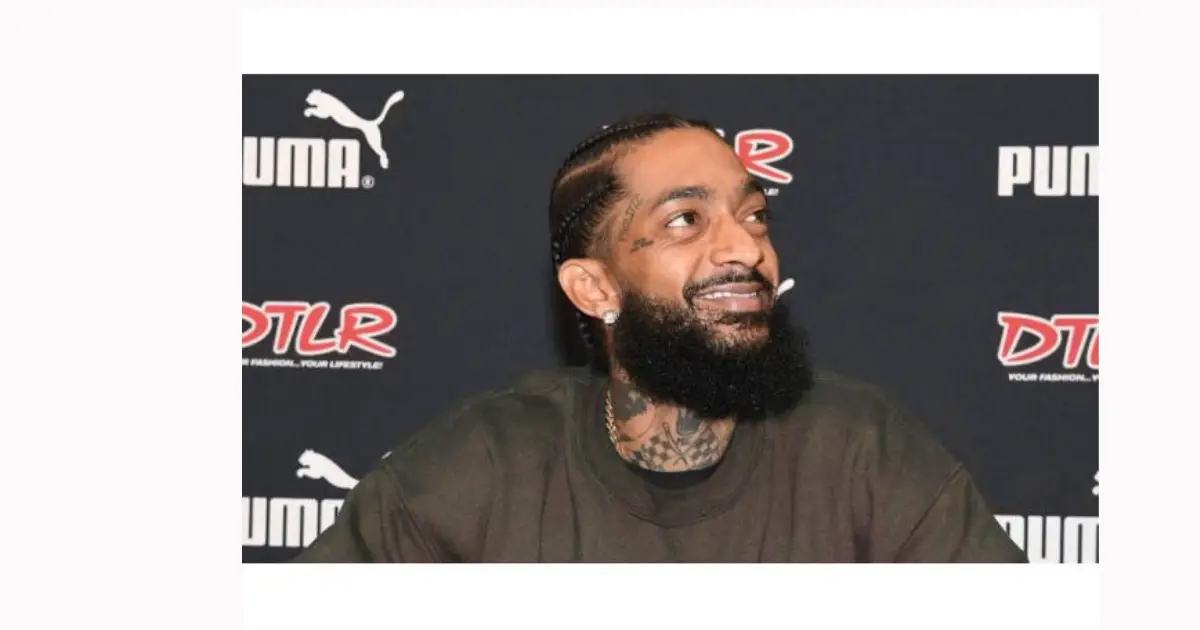
Seven years after Nipsey Hussle’s death, one of the final legal matters related to his estate has been resolved. A California judge approved the final distribution of the late rapper and entrepreneur’s estate on July 5, 2026. This decision allows his two children, Emani Asghedom and Kross Asghedom, to receive their inheritance, which is tied to his music, business interests, intellectual property, and the Marathon brand. The estate is valued at about $11 million and will be divided equally between the two children.
For many fans, this moment holds deeper significance than just money. Nipsey Hussle, born Ermias Joseph Asghedom, built his reputation on ownership, discipline, and community investment. Now, the passing of his estate to his children gives legal and financial meaning to that message. This is not just about the legal process; it’s about legacy.
Who will Inherit Nipsey Hussle’s Estate?
According to reports, Nipsey Hussle’s daughter, Emani Asghedom, and son, Kross Asghedom, are the beneficiaries of the estate. Emani, now 17, is Hussle’s daughter with Tanisha Foster, while Kross, now 9, is his son with actress Lauren London. Both children are named the sole beneficiaries and will each receive a 50% share.
The exact amounts each child will receive have not been made public. Court documents show that the distributions include cash and other assets, but the details of the payouts remain confidential.
Why did the Estate Process Take more than Seven Years?
The estate process took a long time because it involved probate administration, business interests, family issues, and the protection of assets tied to Hussle’s brand. His older brother, Samiel “Blacc Sam” Asghedom, managed the estate through the legal process and helped maintain the commercial and cultural value of the Marathon name.
This process also included disputes involving Emani’s mother, Tanisha Foster, as well as questions about inheritance and guardianship. Those issues were resolved before the final estate distribution. Lauren London also signed documents recognizing that Kross had received his share.
The lengthy timeline reflects how complicated celebrity estates can become when intellectual property, business equity, trademarks, and family matters are involved. In Hussle’s case, the estate was about more than just bank accounts. It included the value of a brand he built from the ground up.
What Assets were Connected to Nipsey Hussle’s Estate?
Nipsey Hussle’s estate included more than just music royalties. Court filings mentioned business interests such as The Marathon Clothing company, trademarks, and other assets. A 2012 Chevy Suburban was also listed as part of the estate.
The Marathon Clothing store became a strong symbol of Hussle’s vision. Opened in South Los Angeles, it represented a model of ownership rooted in the same community that shaped him. Hussle was not just selling clothes; he was building a physical example of what economic power could look like when ownership stayed close to home.
That vision continues through the Marathon brand. In recent years, Hussle’s family has worked to preserve and grow the business legacy connected to his name. Marathon Burger, opened in 2025, became part of that broader brand ecosystem.
Why Nipsey Hussle’s Inheritance Story Matters
Nipsey Hussle’s estate passing to his children is significant because his public message focused on long-term value. He often spoke about ownership, patience, and the marathon mindset. The estate distribution now turns that philosophy into generational wealth for his children.
Before his death, Hussle emphasized that fatherhood was central to who he was. In a 2018 conversation with Stephen Curry, he said, “I’m proud of my accomplishments in music,” but he viewed raising his children as a chance to “mold some people.”
That statement now carries more weight. The wealth he created through music, business, and intellectual property has become a foundation for Emani and Kross. It exemplifies the kind of outcome Hussle encouraged others to aim for: building something that lasts.
From Music Success to Business Legacy
Nipsey Hussle was widely recognized as a rapper, but his business identity became just as crucial. His debut studio album, Victory Lap, earned a Grammy nomination for Best Rap Album, and after his death, he won his first Grammy for Best Rap Performance for “Racks in the Middle” with Roddy Ricch and Hit-Boy at the 2020 Grammy Awards.
However, the deeper part of his legacy was his ability to connect music, entrepreneurship, and community investment. He used his platform to advocate for artists owning their masters, starting companies, and investing in their communities. His work in South Los Angeles offered fans a real-world example of what that message looked like beyond lyrics.
This is why the estate’s final distribution feels significant beyond just a celebrity probate update. It closes a legal chapter, but it also reinforces the strength of Hussle’s ownership model.
The Marathon Brand Lives Through His Children
The Marathon brand was one of Hussle’s clearest expressions of purpose. His brother, Blacc Sam, explained the meaning of the brand simply: “It’s a marathon. It’s not a sprint.”
That phrase became more than a catchphrase; it became a life philosophy for fans, entrepreneurs, athletes, and young people who viewed Hussle as proof that patience and discipline could transform local ambition into global impact.
This detail is key to the story. Hussle left behind more than just songs or memories. He left behind assets, trademarks, companies, and a roadmap for family ownership.
A legacy still honored in Los Angeles
Los Angeles has continued to honor Nipsey Hussle since his death in 2019. In August 2022, he received the 2,729th star on the Hollywood Walk of Fame, located at 6212 Hollywood Boulevard.
At the ceremony, Lauren London said, “Nip would’ve been honored by this moment,” describing him as someone Los Angeles always viewed as destined for greatness.
The Walk of Fame honor places Hussle in the official history of American entertainment. However, his estate passing to his children provides another form of recognition: the continuation of his work through family inheritance.
The final meaning of the $11 million estate
The transfer of Nipsey Hussle’s estate to Emani and Kross is not just the conclusion of probate. It represents the continuation of a promise. The assets he built through music, business, culture, and community now belong to his children, whom he considered his greatest responsibility.
For fans, this moment brings both closure and reflection. Hussle’s life was cut short at 33, but the systems he created continue to hold value. His music still resonates and his brand remains active. His message continues to influence conversations about Black ownership, legacy, and community economics.
Seven years later, the marathon continues, now through the next generation.