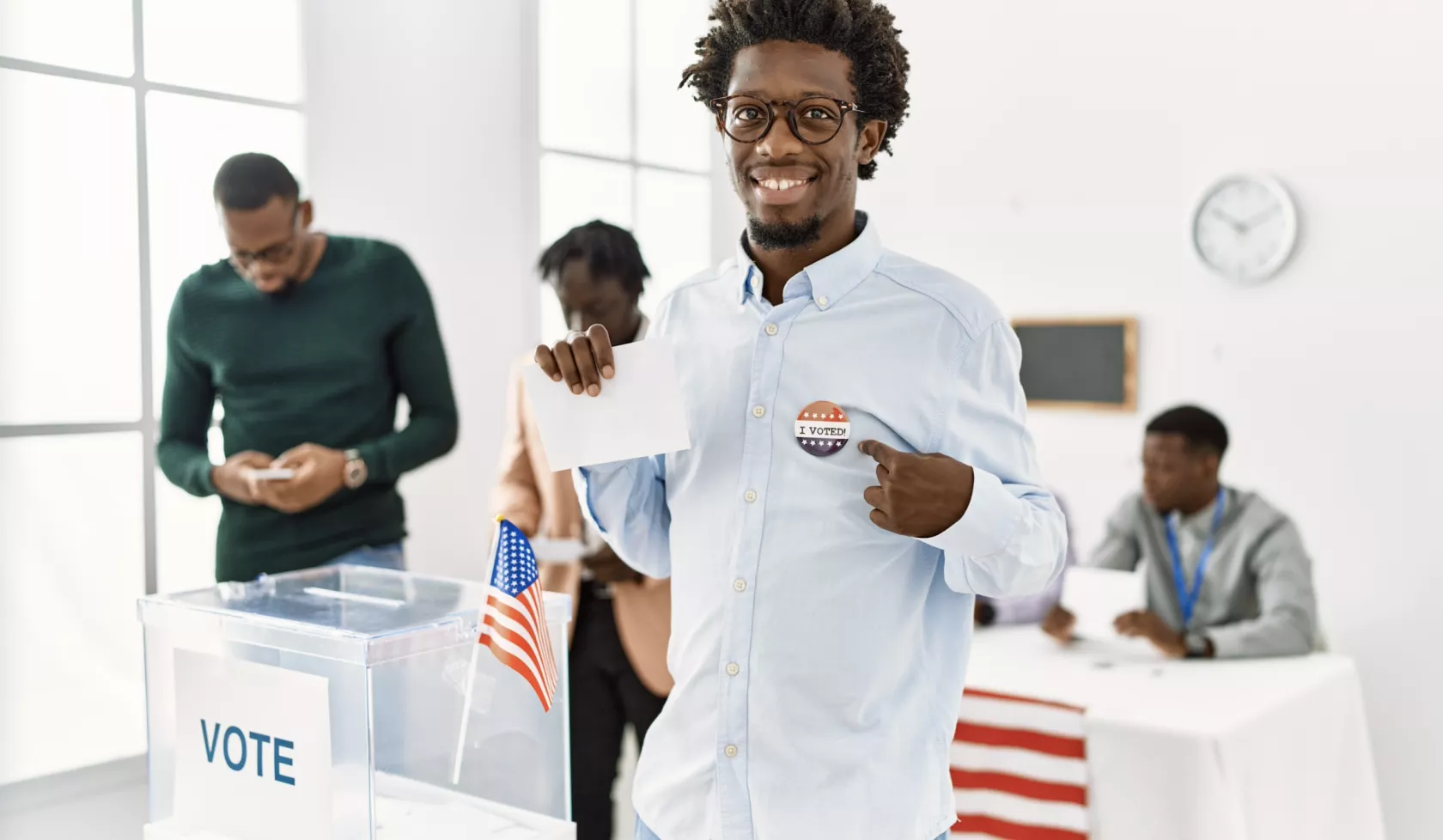
The NAACP is launching a significant campaign for the upcoming midterm elections. It is committing $20 million to encourage Black voters participation ahead of November 2026.
This campaign comes at a critical time for voting rights in America. On July 6, 2026, the civil rights organization announced it would spend $20 million to recruit 20,000 volunteers and reach 6.5 million Black voters across 14 states and 33 congressional districts. The NAACP called this its largest investment for a midterm election cycle. This marks it as a key part of its response to recent court decisions and redistricting issues that affect Black political power.
The timing is intentional. The campaign launches during the 250th anniversary of the United States and follows the Supreme Court’s decision in Louisiana v. Callais on April 29, 2026. Civil rights groups argue this ruling significantly weakened Section 2 of the Voting Rights Act, a federal tool used for challenging racially biased voting maps.
A Midterm Campaign Focused on Turnout, Education, and Protection
The NAACP’s campaign will emphasize grassroots organizing, voter education, digital outreach, traditional advertising, volunteer recruitment, and direct action in key communities. It will partner with GSSA to help Black voters register, make voting plans, and participate in the 2026 midterms.
According to reports, Dominik Whitehead, the NAACP’s Chief of Field, Membership Growth, and Unit Sustainability, described this effort as part of a larger fight for justice, democracy, and dignity. He emphasized that the anniversary of the United States should serve as a reminder to advocate for a future that includes historically marginalized communities.
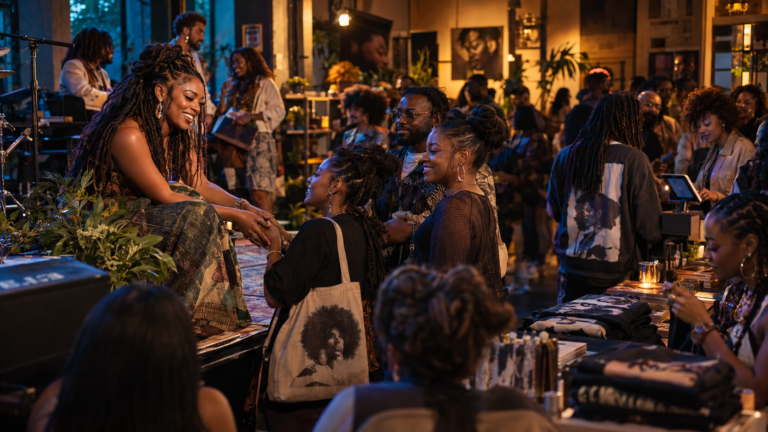
For the NAACP, this $20 million campaign goes beyond just an election-year initiative; it represents a strategy for building power and connecting with voters in places like churches, campuses, neighborhoods, community centers, barber shops, digital spaces, and local organizing networks.
The group enters a midterm cycle already influenced by significant political spending. Federal Election Commission data for the 2025-2026 cycle showed that congressional candidates raised about $1.5 billion in 2025 alone, while political action committees raised $4.6 billion and spent $3.4 billion.
In this context, the NAACP’s commitment sends a clear message: Black voter engagement matters and will not be overlooked.
The Voting Rights Ruling Driving this Urgency
The campaign follows the Louisiana v. Callais ruling, where the Supreme Court rejected Louisiana’s congressional map that created a second majority-Black district. Civil rights advocates claim this decision makes it harder to use Section 2 of the Voting Rights Act to protect voters of color from vote dilution.
The Legal Defense Fund stated the ruling threatens the political power of Black communities, while Brookings noted it severely limits how Section 2 can be applied, which has been a key legal basis for majority-minority districts.
The main concern is straightforward: If courts become less willing to demand fair districts where minority voters are politically cohesive and concentrated, communities that once had a chance to elect preferred candidates may lose that power.
The NAACP has condemned the ruling. Derrick Johnson, the organization’s President and CEO, emphasized that the ballot box represents the group’s best defense and offense, indicating a commitment to mass voter mobilization.
Why Black Voter Turnout is Crucial in 2026
Black voters are a vital demographic in American elections, especially in states where races often hinge on narrow margins. Pew Research Center projects that the Black eligible voter population in the U.S. will reach 34.4 million in 2024, a 7% increase from 2020. In Georgia, Black Americans comprise about one-third of eligible voters.
However, midterms present challenges for turnout. The U.S. Census Bureau found that voter turnout in the 2022 congressional election was 52.2%, down from 53.4% in 2018, even as registration climbed to 69.1%, the highest midterm registration rate in three decades.
The gap between registering and voting is where groups like the NAACP often focus their efforts. Registering voters is just the first step. A successful midterm strategy also involves helping voters understand deadlines, ballot rules, polling locations, mail ballot requests, transportation needs, and maintaining motivation even when national attention diminishes.
The NAACP’s initiative covers the entire voting journey, from awareness to action.
Preparing for more than One Election Cycle
The NAACP spent the past year gearing up for this campaign. In 2025, the organization held town halls to engage Black voters for the 2026 midterms, reaching out in states like Texas, California, North Carolina, New Jersey, Ohio, Georgia, Arizona, Wisconsin, New York, and Maryland.
The organization has also pursued legal action related to voting. In May 2026, the NAACP joined other civil rights groups in asking a court to block an executive order affecting mail-in ballots, arguing that every American deserves the right to vote by mail or in person.
This combination of litigation and mobilization reflects the NAACP’s long-standing approach: fight in court, organize in communities, and use civic participation to drive long-term change.
What this Campaign Signifies for Black Political Power
The $20 million investment is about more than just turnout figures. It centers on representation, access, and whether Black communities can influence policies that impact their lives.
Housing, healthcare, education, wages, clean air, public safety, student debt, voting access, and economic mobility are not just political topics for many Black voters. They are critical issues tied to family stability and community progress.
Johnson stated that the future of the country must serve the people, linking the campaign to the NAACP’s wider civil rights mission.
The challenge ahead is implementation. Mobilizing 6.5 million voters requires building trust, finding local messengers, ensuring ongoing outreach, and connecting national stakes to local realities. For many Black voters, the concern is not whether politics matters but whether institutions, candidates, and civic groups will remain engaged after Election Day.
With its $20 million midterm campaign, the NAACP believes that early organizing, direct engagement, and a clear message about voting rights can turn concern into action.
The 2026 midterms will put this strategy to the test. However, the organization’s message is already loud and clear: after a significant setback in voting rights, the response will be active participation and power at the polls.
Summary
The NAACP announced a $20 million Get Out The Vote campaign ahead of the November 2026 midterm elections. The campaign aims to mobilize 6.5 million Black voters, recruit 20,000 volunteers, and operate across 14 states and 33 congressional districts. This effort comes after the Supreme Court’s decision in Louisiana v. Callais, which civil rights groups say weakened Section 2 of the Voting Rights Act and could affect the creation of majority-Black districts.