What is Jermaine Dupri’s Lawsuit Against Sony Music about?
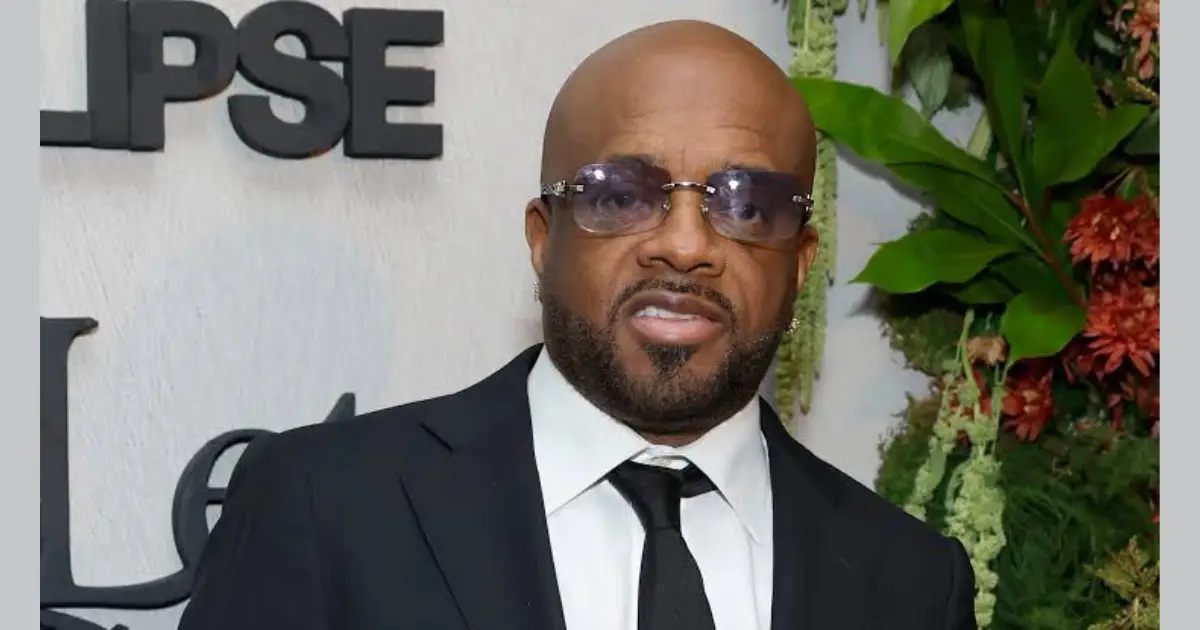
Jermaine Dupri, a Grammy-winning producer, songwriter, and founder of So So Def, has filed an $18 million lawsuit against Sony Music Entertainment. He claims the company failed to properly report royalties for some of the most significant R&B and hip-hop records from the 1990s and 2000s. The complaint was filed on July 6, 2026, in the U.S. District Court for the Southern District of New York. So So Def Recordings, So So Def Productions, and Jermaine Dupri Mauldin are named as plaintiffs.
The case revolves around a 32-year business relationship between Dupri’s So So Def companies and Sony. The lawsuit claims that Sony underreported royalties. That it did not report certain royalties, changed old royalty statements, and withheld money related to recordings. These recordings involve Kris Kross, Xscape, Da Brat, Jagged Edge, Mariah Carey, Usher, Bow Wow, J-Kwon, Bone Crusher, and others.
Why this Case Matters
This situation is more than just a disagreement between one music executive and one record company. It raises a fundamental question in the music industry: who really benefits from hit records after the applause fades?
Dupri’s catalog has greatly influenced Atlanta hip-hop and modern R&B. His So So Def era produced teenage rap stars, platinum R&B groups, and crossover pop hits, along with records that continue to be played on radio, streaming platforms, and nostalgia playlists. The complaint states that Dupri’s recordings and production work generated over $200 million in gross revenue over 32 years.
For artists, producers, and independent labels, this case highlights a broader issue: understanding royalty accounting can be complicated, especially when contracts span decades, labels merge, catalogs change, and streaming adds new complexities to old deals.
The Key Allegations Against Sony Music
According to reports, the lawsuit accuses Sony of a “systemic pattern” of underreported royalties and claims they changed old statements to reflect money that should have been reported earlier. Dupri’s lawyers argue that Sony’s actions hurt So So Def’s business and kept millions from the plaintiffs.
One of the strongest allegations involves Kris Kross, the teenage rap duo whose 1992 album Totally Krossed Out became a defining hip-hop project of the decade. Dupri’s team claims that Sony did not report producer or override royalties for Kris Kross’ first two albums, Totally Krossed Out and Da Bomb, until 2023. The complaint states that more than $2.2 million is still owed from those records alone.
The filing also claims Sony kept Kris Kross royalty information in a separate accounting system that So So Def could not access. According to the complaint, later royalty statements revealed over $30 million in foreign sales linked to Kris Kross, while Dupri’s companies allegedly did not receive payment for millions of units sold.
Xscape, Da Brat, and Jagged Edge are also Central to the Case.
Dupri’s lawsuit includes claims against Xscape’s 1993 debut album, Hummin’ Comin’ At ’Cha, stating that more than $960,000 in producer royalties were unlawfully withheld. For Da Brat’s 1994 debut, Funkdafied, the complaint states that over $1 million in producer royalties were also withheld.
The portion of the lawsuit concerning Xscape is particularly sensitive. The complaint argues that the group’s first two albums carried a negative balance of more than $1.5 million as of June 2020, even though both albums were certified platinum. Dupri’s lawyers describe this situation as “unfathomable.” They argue that the account generated more than $1 million between 2020 and 2024, but So So Def received nothing because Sony continued to apply the negative balance.
Jagged Edge plays another major role in the filing. The lawsuit states that Sony later amended royalty statements for the group’s 1997 album A Jagged Era, but the corrected sales periods only went back to 2007. Dupri’s team claims that millions are still owed on that release due to alleged reporting errors.
What does Sony Say?
Sony has not admitted to any wrongdoing. In a statement to Music Business Worldwide, a Sony Music spokesperson called the case “a royalty accounting dispute” and said the parties had been trying to resolve it before it went to court. They expressed disappointment that So So Def chose to sue instead of continuing discussions.
This response frames the matter as a business disagreement rather than confirmed misconduct. The claims remain allegations unless proven in court or resolved through a settlement.
The Sony Legacy Royalties Issue
The lawsuit also relates to Sony’s Legacy Unrecouped Balance Program, which was created under its Artists Forward initiative. Sony states that the program provides future earnings to qualifying artists and participants who signed with Sony over 20 years ago and have not received an advance in that time. Sony says the program does not alter existing contracts, but allows qualifying participants to receive money despite old unrecouped balances.
Dupri’s lawyers argue that if Xscape’s old balances still existed, they should have been treated under that program. They believe this would have resulted in roughly $1 million being paid to So So Def for the Xscape account alone.
Who is Jermaine Dupri?
Jermaine Dupri is one of the most influential Black music executives and producers today. He discovered Kris Kross in Atlanta, built So So Def into a cultural powerhouse, and worked on records by Xscape, Da Brat, Bow Wow, Usher, Mariah Carey, TLC, and others. The Songwriters Hall of Fame credits him with helping shape major records in hip-hop and R&B, and he was inducted in 2018.
His Grammy profile includes one win and 12 nominations, including a Best R&B Song win for Mariah Carey’s “We Belong Together,” which he co-wrote with Johntá Austin, Mariah Carey, and Manuel Seal.
This legacy is why the lawsuit is culturally significant. Dupri is not just asking for money in a private catalog dispute. He is questioning how the value of Black music, Black production, and Black-owned labels has been tracked over the years.
What happens next?
Dupri and So So Def seek at least $18 million in damages, plus more than $10 million in interest, attorney fees, and a jury trial. The complaint mentions a 2025 desk audit by Gelfand, Rennert & Feldman that helped uncover the alleged royalty shortfalls.
The case could take several paths. Sony may challenge the claims, seek to dismiss parts of the lawsuit, negotiate a settlement, or move toward discovery where contracts, royalty statements, and internal accounting records could become key evidence.
For now, this dispute places one of hip-hop’s most important figures in a legal battle over ownership, accounting, and long-term value. The songs in question helped define an era, and the lawsuit now asks whether the money behind that era was accurately counted.