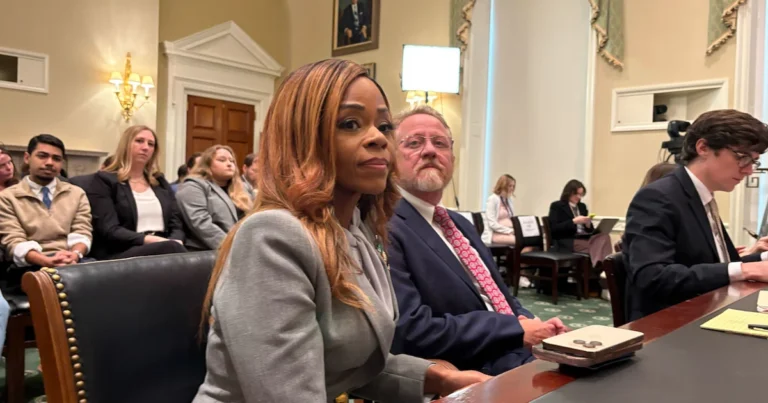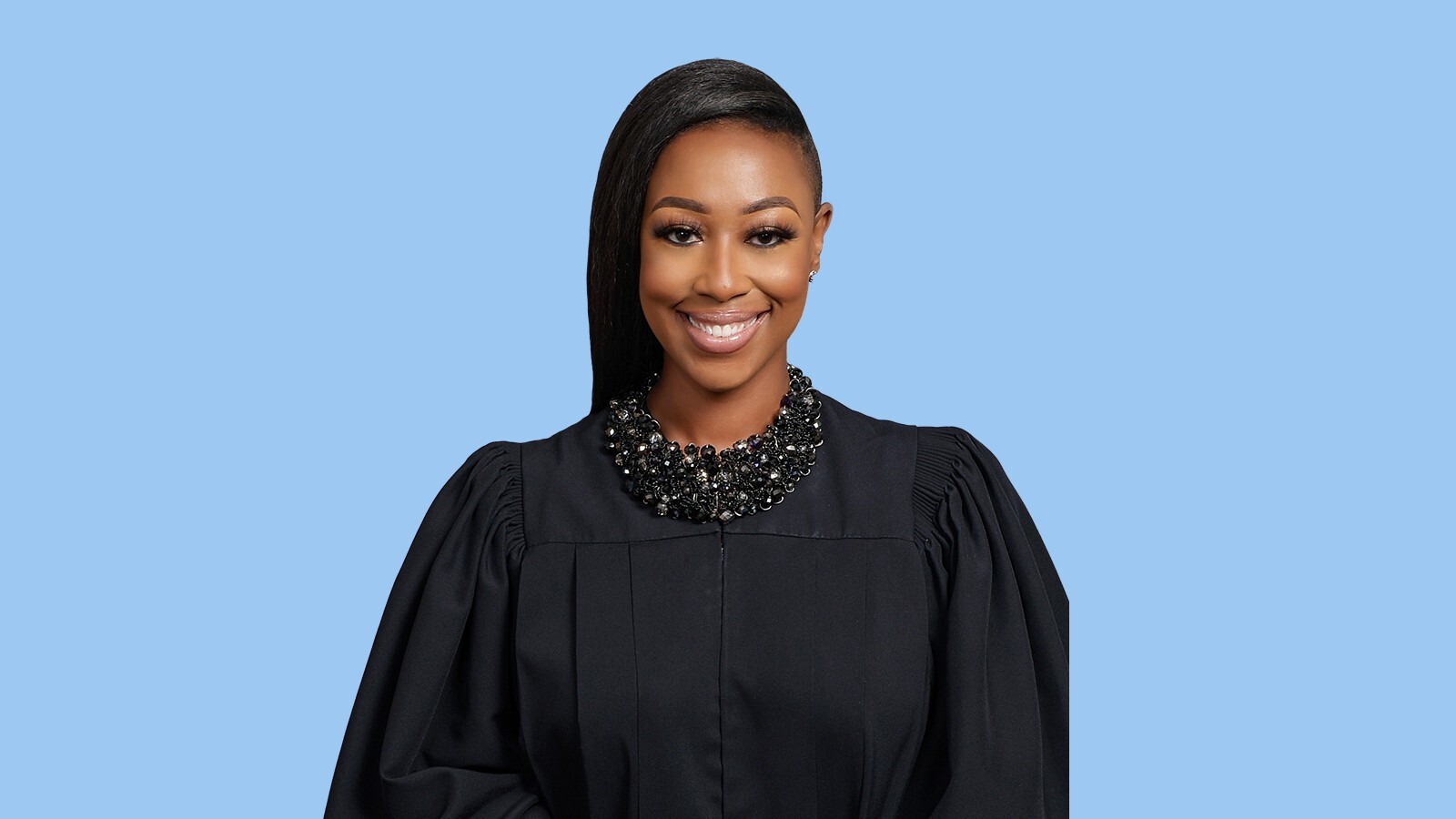
On November 3, the Texas Secretary of State’s returns gave Amber Givens 592,506 votes in the Dallas County district attorney’s race. For the office she is set to lead in January, the more immediate numbers are 77 employee resignations since March and 49 vacancies. Forty-seven of the departing employees are attorneys.
Givens, a former felony court judge, is set to succeed two-term District Attorney John Creuzot. The returns list 15,440 votes for write-in challenger Eric Reed, with all polling locations reporting. Givens is on course to take office in January 2027. That leaves weeks to map current caseloads and document knowledge held by staff who are leaving.
Turnover Has Outlasted an Election Cycle
The Texas Observer’s reporting draws on records reviewed by The Dallas Morning News. It says 77 employees had submitted resignations since March, including 47 attorneys. Those lawyers represent more than 15 percent of the office’s 273 budgeted attorney positions. At least 19 had served for more than a decade. The report put vacancies at 49, up from 23 in October 2024 and 33 in October 2025.
The earlier totals suggest the turnover did not begin with this election. The Observer reported that 60 employees, including 25 prosecutors, left in 2024; 81 staff members left in 2025. Those calendar-year counts cover different periods from the 77 resignations submitted since March, so a direct annual comparison would mislead. Still, the pattern is clear: the office has been losing staff across multiple years.
A lawyer who joins a case late must learn more than the evidence. They need the timeline of decisions, the status of witnesses, what has been disclosed and what the next court date requires. The Observer reported that attorneys were taking over complex cases midway through litigation. Each transfer adds work to an already busy docket, even where a case stays on schedule.
Vacancies Put Pressure on the Case Pipeline
The vacancy count is not a backlog count. It does mean fewer employees are available for work that keeps arriving: reviewing evidence, preparing hearings and trials, coordinating with investigators, updating victims and meeting disclosure deadlines. If staffing falls faster than demand, files can wait longer at one or more stages. The reported figures do not tell us whether that has happened in Dallas County.
Texas is introducing more systematic reporting on prosecutors’ workloads. Under the final 2026 rule, the first reporting period begins December 1, 2026, and the initial quarterly and annual reports are due March 31, 2027. Offices will report case categories and counts, staffing levels, and whether staffing is sufficient for their caseloads. The Texas Judicial Branch’s court activity data show filings and dispositions, but court totals alone cannot show whether prosecutors have enough people to manage their part of the work.
For Givens, a division-by-division review could show where reassignment can cover immediate deadlines and where hiring is essential. Case age, trial dates and attorney workloads belong in that review. One unit’s vacancy cannot always be covered by a lawyer from another unit; each has its own trial calendar.
What a Decade of Service Carries
At least 19 of the departing attorneys had served for ten years or more. Some of what they know will be in case files; some may sit in routines and working relationships that are harder to document. A successor needs to know why evidence was pursued, which witnesses have been contacted, what commitments were made and how a particular court handles recurring issues. The aim is to make active matters transferable, not to preserve every old practice.
That is a succession problem familiar to businesses built around a few experienced managers.
Givens has described her intended transition as collaborative and focused on continuity. In a statement to The Dallas Morning News, reported by Texas Metro News, she said:
“I will lead a thoughtful, collaborative transition grounded in respect for their work and continuity of service to our community.”
— Amber Givens
That is a stated intention. Employees will judge the transition by what changes in their daily work: assignment loads, supervision, room to make decisions and whether priorities stay consistent. Those conditions will also shape whether experienced staff choose to stay.
The Handover Depends on Information
In June, Givens said she had requested organizational charts, budget and grant information, and details about special programs. She also said she began filing public-records requests for operational information. CBS Texas reported that Creuzot’s office disputed her account, saying it had met with her and was working to answer requests while keeping the office running. The office proposed regular meetings. Staffing, grants and case assignments all depend on information crossing the transition.
Creuzot put the office’s position this way:
“We respectfully disagree with the characterization that the office has not been cooperative.”
— John Creuzot
The practical remedy is a documented handover: staffing charts, active grants, spending commitments, case assignments, court deadlines and pending hires, with a named person responsible for each item. Regular meetings can resolve questions; written inventories make it possible to see what has actually been transferred.
Keeping Experienced People Is Part of the Work
Recruiting into 49 vacancies will take time. So will onboarding attorneys to active matters. Meanwhile, the staff who remain must keep cases moving. If they absorb too many assignments, the office risks making retention harder just as it is trying to hire.
Pay matters, but it is not the only reason a lawyer chooses a public office or leaves one. Caseload, management, advancement and control over work also shape that decision.
Givens’ team could pair exit interviews with stay interviews, asking departing and current employees the same practical questions about workload, supervision, compensation and career paths. The answers would help distinguish a recruiting problem from a management problem—or identify where both are at work.
The office’s performance matters to Black residents and professionals. Givens, a Black woman judge, is taking the helm of a major county prosecutor’s office. Her identity is part of the public significance of the appointment; the office’s credibility will also depend on consistent decisions, clear accountability and whether cases move through the system with care.
What Givens Can Measure First
A useful first review would identify the divisions with the thinnest staffing, then place those vacancies beside trial calendars and active case assignments. Each open case needs a named attorney, current notes and a clear next deadline. Hiring can follow the work that is waiting, rather than a generic vacancy list.
The public should also be able to see whether conditions improve. Texas’ first quarterly and annual reports are due March 31, 2027. Dallas County’s FY2026 budget records provide the financial context; staffing and case reports can show whether people and workload are moving back into alignment.
The returns put Givens on course to lead. Whether experienced staff stay and capacity recovers will show in case assignments, turnover and deadlines.
FAQs
Who Is Set to Become Dallas County’s Top Prosecutor?
November 3, 2026, election returns show Amber Givens leading the Dallas County criminal district attorney race. The Texas Secretary of State lists 592,506 votes for Givens and 15,440 for write-in challenger Eric Reed, with all polling locations reporting. She is set to take office in January 2027.
How Many Employees Have Submitted Resignations?
Recent reporting says 77 employees, including 47 attorneys, submitted resignations since March 2026. At least 19 of those attorneys had worked in the office for a decade or longer. The figure counts reported resignations, not positions eliminated or cases affected.
How Many Vacancies Does the Office Have?
The latest reporting put the office’s vacancies at 49, compared with 23 in October 2024 and 33 in October 2025. A vacancy count shows unfilled positions; it does not measure case delays or workload distribution across divisions.
Why Does Prosecutor Turnover Matter?
Departing attorneys take case experience and working relationships with them. Their replacements must learn active matters while handling other assignments. That handover adds pressure to the office, especially when departures leave multiple divisions short of staff.
What Should Givens Prioritise During the Transition?
She can start by reviewing staffing, active cases, deadlines, pending hires and program commitments in each division. Current handover notes and clear assignment ownership can help preserve continuity while hiring is directed toward the work waiting longest.
How Can the Public Assess Whether the Office Is Stabilising?
Texas’ first quarterly and annual reports are due March 31, 2027. They will include case categories, staffing levels and staffing sufficiency. Residents can follow those measures alongside vacancies and court activity to see whether staffing is keeping pace with the office’s work.