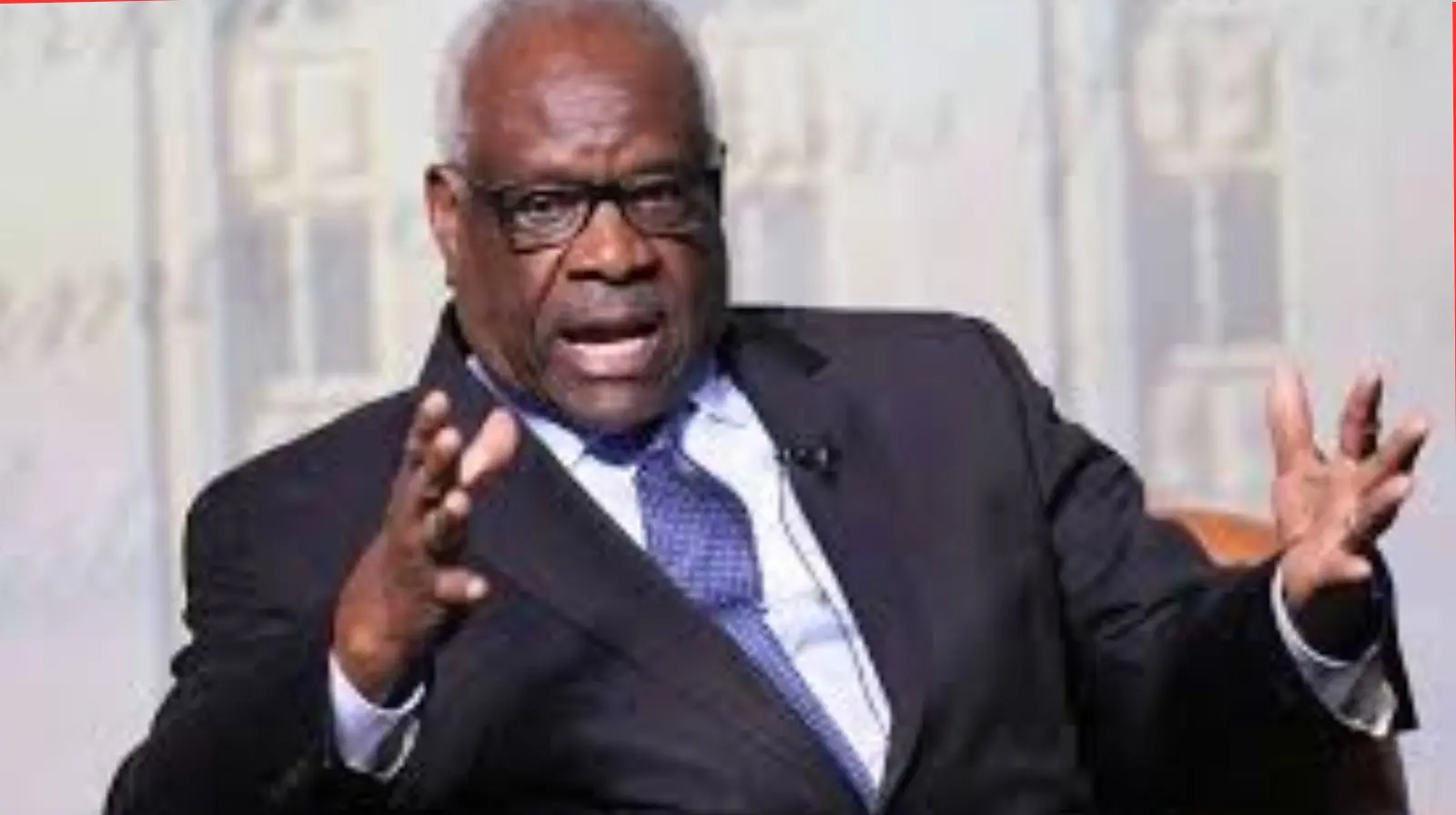
Supreme Court Associate Justice Clarence Thomas, the most senior member of the U.S. Supreme Court, issued a strong warning on Thursday that threats against judges and the judicial system are increasing. He believes this trend endangers both individual safety and the integrity of the American legal system. His comments, made at a legal conference of judges and lawyers from the 11th U.S. Circuit Court of Appeals, highlighted the growing national discussion about judicial security and renewed requests for more funding to protect the nation’s courts.
“The security concerns now are much different from the way they were when I first became a circuit justice,” Thomas told the gathering outside Miami, according to reports. “That’s really one of the big changes since I’ve been on the court, that it’s become very, very dicey.”
Judicial Safety in an Age of Polarization
Thomas, who has been on the Supreme Court since 1991, explained how the modern threat landscape has changed judges’ daily lives. Where once justices and judges could attend public forums and community events with ease, they now function under stricter security measures. “Because of the security concerns, I’m not able to move around as much as I used to,” he said, according to several accounts of his remarks.
His comments come in a sharply divided public climate, where high-profile judicial decisions, from abortion rights to election law, have received intense public scrutiny and, in some cases, outright hostility. In recent years, members of the federal judiciary have faced not just harsh criticism online but also real-world threats. Federal judges across various districts have reported threatening phone calls, social media harassment, and other intimidation tactics that law enforcement takes seriously.
These issues extend beyond the Supreme Court. Earlier this year, the chief justice of the Idaho Supreme Court informed state lawmakers that threats against judges and court staff have risen significantly, necessitating increased protective measures and stretching resources in state court systems. “All of us who serve in public office understand that the risk is not theoretical,” the Idaho chief justice stated.
A Push for Expanded Funding
The demand for improved judicial security has reached Congress. The Supreme Court and federal judiciary have asked lawmakers for more funding to tackle rising physical and cyber threats, secure courthouse facilities, protect judges and their families, and counter intimidation efforts.
Earlier in 2026, congressional appropriators approved a $30 million increase for security measures for Supreme Court justices after court officials argued that current resources were insufficient given the growing threats. This funding was added to wider federal spending legislation with bipartisan support, showing increased recognition among lawmakers of the judiciary’s needs.
Judiciary leaders have stressed that threats and hostility toward judges, both online and offline, can weaken public trust in the courts and undermine essential democratic institutions. Chief Justice John Roberts has previously condemned personal attacks on judges, stating they “got to stop,” and urged public discourse to show respect for the rule of law.
Balancing Openness and Security
Thomas’s comments highlighted a key challenge: the judiciary must stay accessible and independent while also ensuring the safety of those who work within it. Experts warn that too little protection could discourage public participation in judicial life and hinder the courts’ ability to function properly. Conversely, excessive security could isolate the judiciary from the communities it serves.
Legal experts emphasize that judicial independence, the idea that judges must be free to decide cases without fear or favor, depends not only on constitutional principles but also on ensuring the safety of judges and court staff. With thousands of federal judicial threats reported in recent years and growing incidents of intimidation against judges across the country, maintaining that balance has become more difficult.
As the national debate about the role of the courts continues into the 2026 election year, Thomas’s public warning highlights a crucial point: protecting the rule of law requires both solid protection for judges and active civic involvement grounded in respect, not fear.