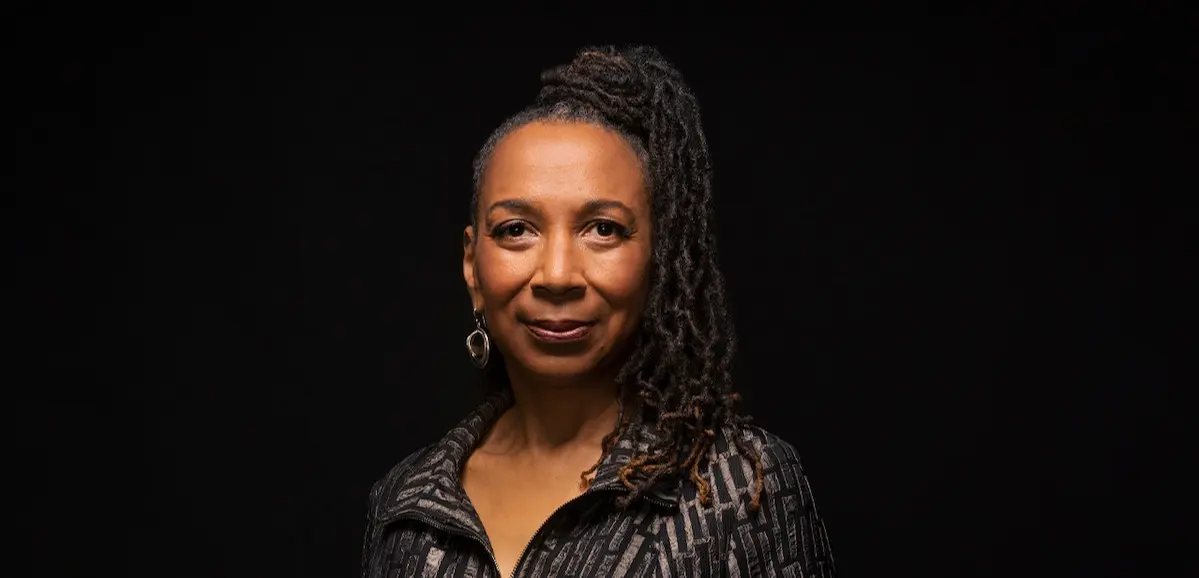
Few legal scholars have changed global discussions on race and justice as significantly as Kimberlé Crenshaw. She is a professor at Columbia Law School and UCLA School of Law. So far, Crenshaw has spent over four decades examining how power, race, and gender interact in law and society.
Her main contribution, intersectionality, has evolved from a legal term into a worldwide framework that impacts policymaking, activism, and international human rights discussions.
The Idea that Changed Everything: Intersectionality
In 1989, Crenshaw introduced the term “intersectionality” in a groundbreaking legal paper that explored the discrimination faced by Black women.
At its core, intersectionality explains that systems of oppression, such as racism and sexism, do not function independently. Instead, they overlap, creating unique experiences of inequality that traditional legal frameworks often overlook.
As Crenshaw later stated: “Intersectionality is a lens through which you can see where power comes and collides.”
This insight revealed a significant blind spot in anti-discrimination law: institutions treated race and gender as separate issues. This left those at the intersection, particularly Black women, without sufficient legal protection.
From Courtroom Theory to Global Influence
Crenshaw’s work quickly moved beyond academia. Her scholarship became foundational to critical race theory (CRT), a field that looks at how racism is embedded in legal and institutional systems.
Over time, her ideas influenced:
- International policy: Her work informed discussions at the United Nations World Conference on Racism.
- Constitutional frameworks: Intersectional thinking contributed to equality clauses in countries like South Africa.
- Grassroots activism: Through the African American Policy Forum, she linked academic theory with real-world advocacy.
She also co-founded the #SayHerName campaign, which highlighted Black women affected by police violence, an issue often ignored in mainstream discussions.
The Defining Moment: “The Road to Justice” Event
Crenshaw’s ongoing relevance was clear at the TIME Impact Dinner: “The Road to Justice,” a prominent event marking five years since George Floyd’s death.
At this gathering, which brought together leading voices in civil rights, Crenshaw warned about the dangers of historical erasure and censorship. She stressed the importance of “truth-telling” as a basis for justice reform.
The event showcased a central theme of her career: that progress relies not just on policy change, but also on facing uncomfortable truths about systemic inequality.
Navigating Backlash in a Polarized Era
By 2026, Crenshaw’s work became central to one of the most debated topics in modern politics.
A recent interview highlighted the scale of the pushback. She observed how ideas like intersectionality and CRT have faced criticism in political discussions, describing attempts to silence them as efforts to control national narratives.
In her words: “One of the keys of fascism is control of the nation’s narrative.”
Despite the pushback, Crenshaw has remained steadfast, continuing to lecture, publish, and organize.
Why Her Influence Endures
Crenshaw’s impact comes not just from what she created, but from how broadly it applies. Intersectionality is now used to examine:
- Economic inequality
- Gender-based violence
- Healthcare disparities
- Technology and algorithmic bias
Her framework has become crucial for understanding modern inequality in a world where identities—and injustices—intersect.
A Legacy Still Unfolding
At 66, Kimberlé Crenshaw is a vital voice in ongoing global conversations about democracy, justice, and equality. Her work continues to challenge institutions to move beyond simplistic narratives and address the complexity of lived experiences.
In an era marked by division, her central argument remains both radical and necessary: justice cannot be achieved unless we see the full picture.
FAQs
What is Kimberlé Crenshaw best known for?
She is best known for coining “intersectionality,” a framework that explains how overlapping identities shape experiences of discrimination.
What is intersectionality in simple terms?
It means people can experience multiple forms of inequality at the same time, such as racism and sexism, and these cannot be understood separately.
Why is Kimberlé Crenshaw influential today?
Her ideas influence global discussions on race, gender, law, and policy, and remain central to debates about justice and equality.
What recent events has she participated in?
She spoke at the TIME Impact Dinner on “The Road to Justice,” emphasizing truth, memory, and systemic reform in modern civil rights efforts.