Who is Tristan Walker?
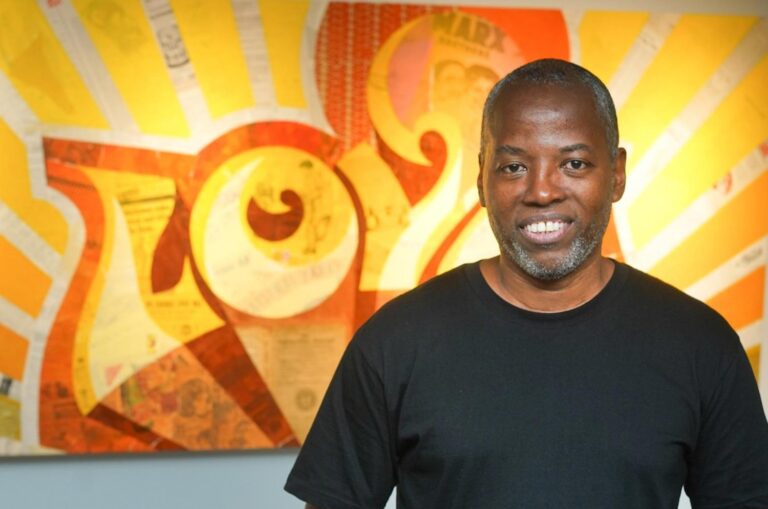
Tristan Walker is one of the leading Black entrepreneurs from Silicon Valley’s consumer-tech era. He founded Walker & Company Brands in 2013 and created Bevel, a grooming brand aimed at Black men and individuals with coarse or curly hair. In December 2018, he merged the company with Procter & Gamble. As of 2026, Walker is no longer the chief executive of Walker & Company, a role he held until June 2023. He is currently a director at Shake Shack and the founder of Heirloom Management Co., an investment fund that focuses on culturally connected products and services.
Walker’s story goes beyond building a brand and selling it to a major consumer goods company. It involves addressing a problem that many mainstream companies overlooked, persuading investors that this “niche” was actually vast, and transforming personal frustrations into a viable business.
The First Challenge: Building for a Customer Silicon Valley did not Understand
Walker faced skepticism in the market. Bevel was not a trendy tech product. It started with a personal grooming issue: razor bumps and irritation that affected many Black men, which major personal-care brands had largely ignored.
In 2013, Walker launched Bevel, a single-blade razor system aimed specifically at Black men. At that time, the U.S. men’s shaving market was led by well-established brands and new direct-to-consumer entrants like Dollar Shave Club and Harry’s.
His solution was straightforward yet bold: create products for those who had long been forced to adapt to unsuitable options. Walker stated, “Entrepreneurship is hard enough,” and emphasized that founders can ease the burden by building from “an authentic place.”
He tackled this challenge by refusing to treat Black consumers as an afterthought. He positioned them as the core of the company’s strategy, which gave Bevel a clear advantage.
The Second Challenge: Hearing “no” from Investors
Walker also dealt with the typical founder challenge: convincing investors to believe in a vision before the market fully recognized it. On the Masters of Scale podcast, he described how his early idea was met with rejection because investors doubted its potential for growth. Many thought a shaving brand for Black men was too niche.
Walker’s response was disciplined. He learned to distinguish between useful and dismissive rejection. Instead of seeking approval from every investor, he sought those who understood the size of the problem and the cultural significance of the solution.
This focus was crucial because Bevel’s market was never just about razors. It was about building trust and dignity in the grooming aisle—a promise that consumers of color deserved tailored products, packaging, and retail experiences.
The Third Challenge: Earning Retail Trust
Entering retail posed another challenge. A direct-to-consumer brand can grow early loyalty online, but national retail demands proof, operational discipline, and credibility.
Walker made a breakthrough by listening closely to customers. By 2016, Bevel was sending weekly emails for customers to rate its products and share their experiences. Walker personally reviewed the feedback. He noted two favorable reviews from customers with Target email addresses. These turned out to be Target executives. Three months later, Bevel was in Target stores.
His lesson was clear: “read those customer comments.”
This practice became ingrained in the company’s culture. New employees had to work with the customer success team during onboarding to remain close to the people they served.
The Fourth Challenge: Scaling without Losing Authenticity
Many founder-led brands lose their essence after an acquisition. Walker had to show that Bevel could expand within Procter & Gamble without becoming just another generic product line.
P&G acquired Walker & Company in 2018. Bevel then grew into skincare, body care, and hair care, with products sold online and at major retailers like Target, CVS, Walmart, and Sally Beauty.
Walker’s approach relied on mission alignment. He noted that P&G’s global scale fostered a “symbiotic relationship” because the company served billions of consumers, many of whom resembled Bevel’s target audience.
His goal was not to dilute the brand but to use the scale to uphold its mission. Therefore, Bevel’s challenge after the acquisition was not just about distribution; it was about maintaining cultural consistency.
The Fifth Challenge: Surviving Business Headwinds
Walker also faced real business pressures such as supply chain issues, inflation, product complexities, and the costs associated with scaling a consumer brand. His advice to other founders was straightforward: “simplify your infrastructure.”
For consumer brands, this can mean fewer unnecessary SKUs, streamlined operations, better manufacturing practices, and a sharper focus on products that genuinely meet customer needs. Walker responded to complexity with focus, not noise.
The Event that Reframed His Journey
In 2023, Walker returned to Stanford Graduate School of Business for its View From The Top series. He sat down with James Yan, MBA ’23, to discuss his journey from Stanford to entrepreneurship. The event was symbolic; Walker had once been an audience member in the same series, listening to leaders like Barack Obama, Oprah Winfrey, and Malala share their insights.
His message at Stanford centered on values. Walker often describes entrepreneurship as a test of identity, not just strategy. He believes that a company can’t know its purpose if the founder does not.
What Entrepreneurs can Learn from Tristan Walker
Tristan Walker faced significant challenges as an entrepreneur, including disbelief, rejection, retail access, scaling, and operational pressures. He overcame these obstacles by drawing from his personal experiences, listening to customers, selecting aligned partners, and refusing to let the market’s blind spots limit his ambitions.
His story is inspiring because it demonstrates that overlooked markets are not small; they often just need a founder with the courage, cultural awareness, and discipline to serve them well.