In 1881, Lewis H. Latimer and Joseph Nichols patented a method for making carbon filaments for incandescent lamps. It addressed a production problem: making a key component consistently enough for electric lighting to reach wider use. American industry also depended on engineers who made equipment work at scale.
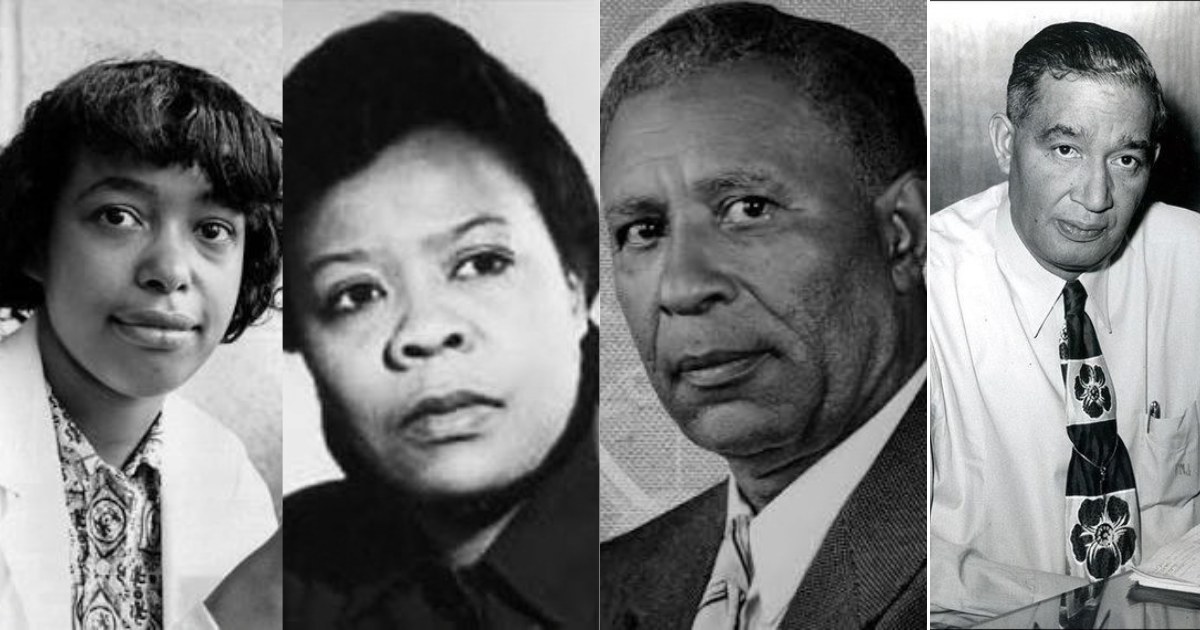
Latimer is one of 13 Black Innovators whose work reached into railroads, factories, homes, medicine and communications. Some inventions entered corporate laboratories; others were sold or folded into infrastructure. Their stories show the distance between an idea and the backing needed to put it to work.
1. Lewis H. Latimer Put Engineering Behind Electric Light
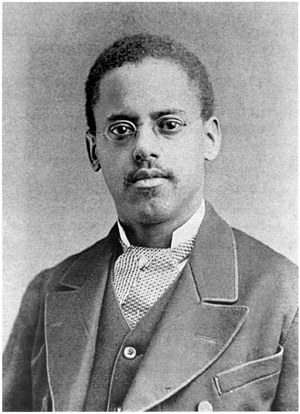
Latimer learned mechanical drawing in a patent office and helped prepare drawings for Alexander Graham Bell’s telephone patent. He later worked for electric-light companies associated with Hiram Maxim and Thomas Edison. His 1881 patent with Nichols improved carbon-filament manufacturing. The USPTO says it helped Maxim’s bulbs reach mass production. Latimer also wrote a guide to incandescent lighting. His contribution was engineering and production knowledge, not the bulb itself.
2. Granville T. Woods Sent Messages Along the Railroad
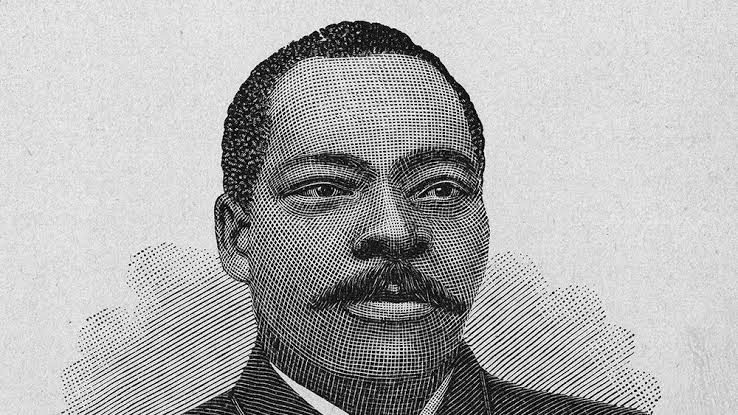
Woods developed an induction telegraph that let moving trains communicate with stations and one another using energy from lines beside the tracks. Proceeds from an earlier “telegraphony” patent sold to American Bell Telephone Co. helped him work independently. He founded Woods Electric Co. and won patent disputes with Thomas Edison. The National Inventors Hall of Fame says he declined Edison’s offer of a partnership, keeping control of his work in an industry dominated by established rail operators.
3. Elijah McCoy Saw the Cost of Stopping a Train
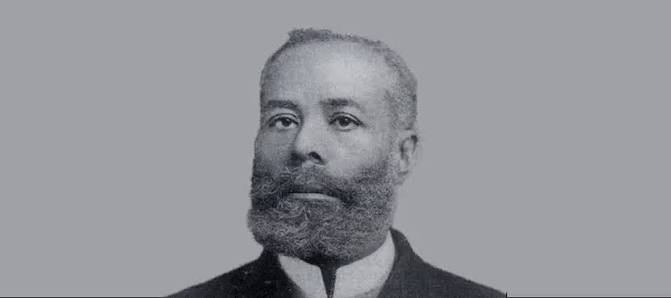
As a fireman for Michigan Central Railroad, McCoy shoveled coal and lubricated engine parts. Trains had to stop for oiling. His steam-powered automatic lubricator delivered oil while machinery ran; he patented it in 1872. Railroads, ships and factories adopted it. Competitors copied the simple design, so McCoy kept improving it and built a reputation for reliability. The Hall of Fame records its use across industries.
4. Frederick McKinley Jones Took Refrigeration on the Road
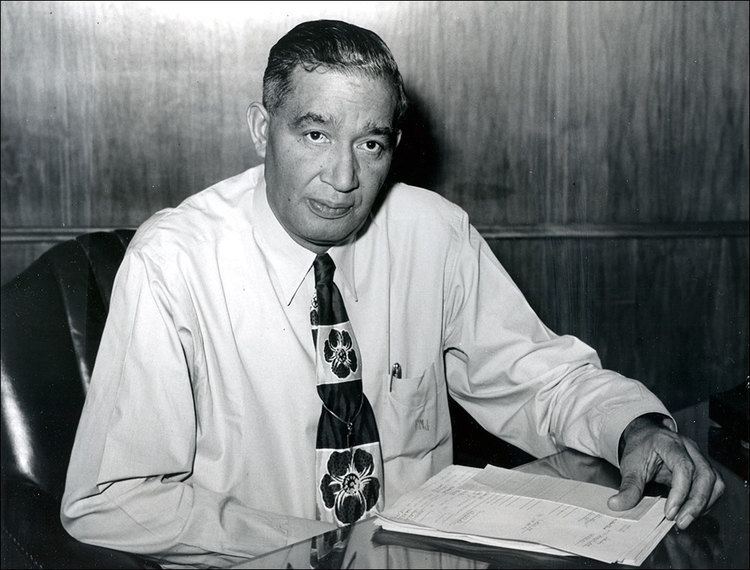
Jones developed mobile refrigeration for trucks, letting perishable goods travel farther. With entrepreneur Joseph Numero, he formed Thermo King. Its equipment helped move food to U.S. troops during World War II. The National Inventors Hall of Fame documents its commercial reach. Cold transport linked growers and processors to distant markets; Numero brought business experience, Jones the engineering.
5. Jan Ernst Matzeliger Mechanized a Bottleneck in Shoe Production

In 19th-century shoe factories, attaching the upper to the sole was slow handwork. Matzeliger’s 1883 machine pulled the upper around a foot-shaped last and fastened it in place. Born in Suriname, he moved to the United States as a young man, according to the Hall of Fame. The machine helped factories raise output and lower costs.
6. Garrett Morgan Had to Find a Way to Reach Buyers
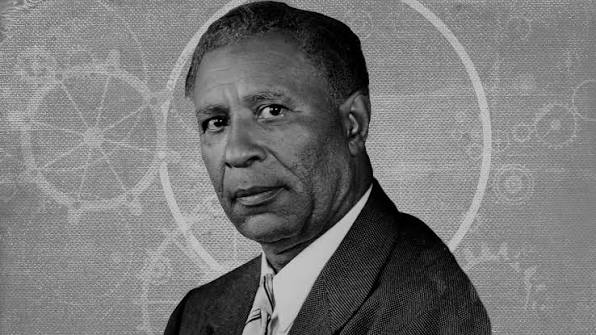
Morgan was already running businesses when he developed a breathing device for smoke-filled spaces. Patented in 1914, it drew clearer air from near the ground and became a forerunner of the gas mask. In 1923, he patented a traffic signal with a warning position. He struggled to sell the breathing device to white fire chiefs, so he staged demonstrations and hired white actors to promote it. The National Inventors Hall of Fame documents those efforts.
7. Sarah Boone Designed for the Shape of a Sleeve
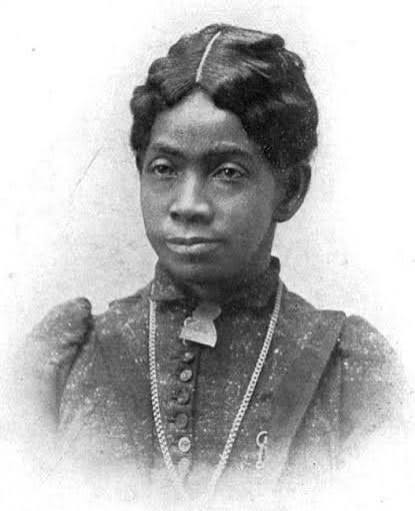
Flat ironing boards made it awkward to press sleeves and fitted garments without creasing them. Sarah Boone’s 1892 patent described a narrower board with curved edges shaped to work with a sleeve’s seams. The patent record shows a modest design change aimed at a routine household problem. Such improvements rarely arrive with a factory or a large sales campaign attached. They still belong in the history of how people redesigned tools around the work they actually did.
8. Marie Van Brittan Brown Put Security Controls Inside the Home
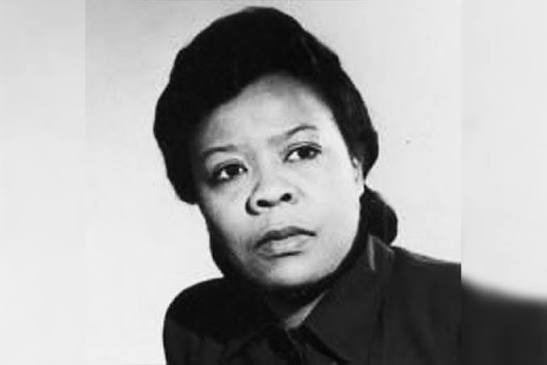
Nurse Marie Van Brittan Brown and her husband, electronics technician Albert Brown, patented a home-security system in 1969. Cameras moved between peepholes, sending images to a monitor inside. The system included two-way audio, an alarm and remote locks. The patent combines surveillance, communication and access control.
9. James E. West Helped Make Microphones Smaller and Cheaper
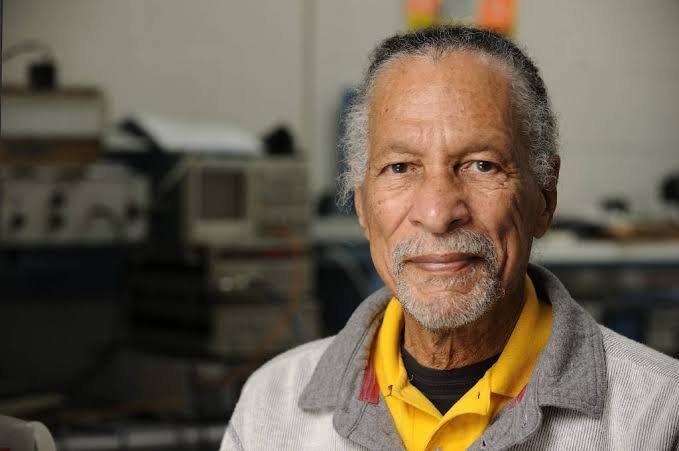
At Bell Laboratories, James E. West and physicist Gerhard Sessler developed the electret microphone in the early 1960s. Compact and economical, it spread into telephones, hearing aids and recording equipment. In an interview with the National Inventors Hall of Fame, West said:
If I don’t fail every once in a while, I’m not working hard enough. — James E. West
10. Otis Boykin Made Current Easier to Control
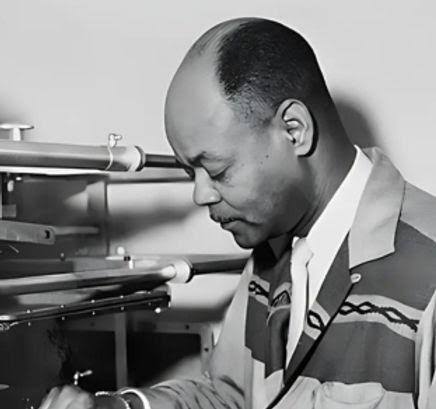
Boykin patented a wire precision resistor in 1959. It allowed manufacturers to regulate current more precisely and at lower cost. A later version withstood sharp temperature and pressure changes; the National Inventors Hall of Fame records uses in military equipment and consumer electronics. Boykin left the Illinois Institute of Technology when he could no longer afford tuition, then established a company and continued inventing.
11. Charles Richard Drew Built a System for Storing and Shipping Plasma
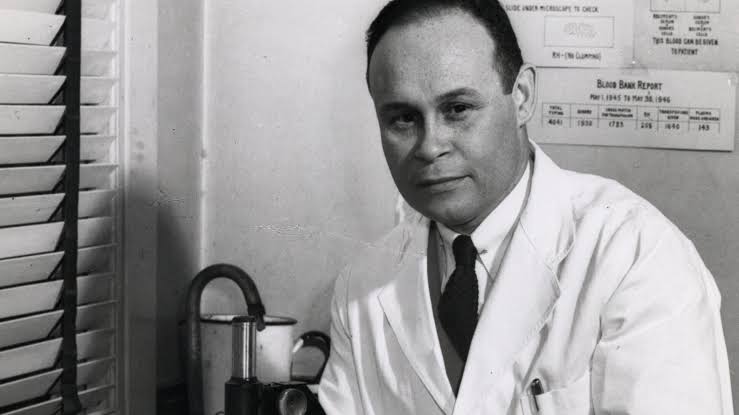
Drew researched the separation and preservation of blood plasma. With physician John Scudder, he helped organize the 1940 “Blood for Britain” program, which sent 5,000 liters of plasma to England. Drew later led the American Red Cross blood bank in New York and helped develop mobile collection stations. The Red Cross segregated Black donors’ blood. Drew objected in a 1944 letter:
It was a bad mistake for 3 reasons: (1) No official department of the Federal Government should willfully humiliate its citizens; (2) There is no scientific basis for the order; and (3) They need the blood. — Charles Richard Drew
The National WWII Museum documents the program and the letter. The system needed donors even as policy excluded and segregated them.
12. Norbert Rillieux Changed the Way Sugar Was Refined
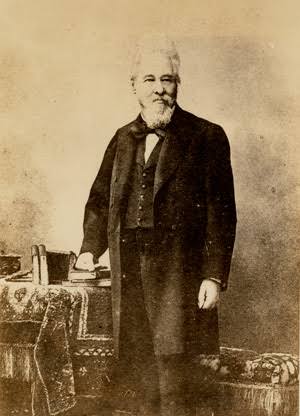
Louisiana-born engineer and mathematician Rillieux designed a multiple-effect evaporator: heat from one vessel drove evaporation in the next, reducing the need to move hot syrup between kettles. The process made refining more efficient and safer. Multiple-effect evaporation later spread beyond sugar, according to the Hall of Fame. Rillieux’s machinery served an industry built on enslaved labor.
13. Patricia Bath Joined Surgery to Community Eye Care
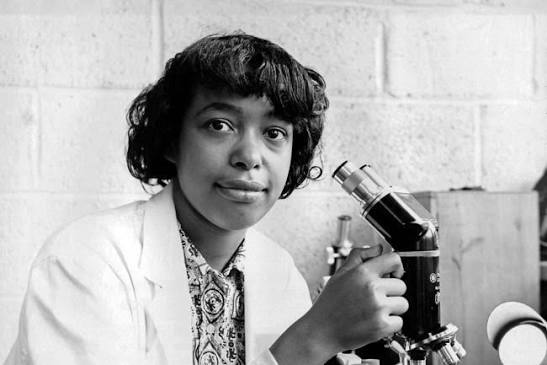
Ophthalmologist Patricia Bath conceived Laserphaco in 1981. The laser-based device and technique could make an incision, break up a cataract and remove the fragments. She received a U.S. patent in 1988. Bath also documented disparities in eye disease and promoted community ophthalmology to take screening and treatment into underserved communities.
Her National Inventors Hall of Fame profile identifies her as the first Black woman physician to receive a medical patent. The work connected a surgical tool to a broader question of access: who receives eye care early enough to prevent avoidable loss of sight?
Patents Were Only the Start
These inventors took different routes: Woods built an independent company, Jones partnered with Numero, and West’s microphone came from corporate research. The comparison connects to Black Elites’ earlier account of inventors who changed everyday life and its profiles of Black entrepreneurs building industries today. Access to customers, financing and production still shapes which ideas scale.
Railway telegraphy needed trackside infrastructure; refrigerated transport depended on vehicles and service networks; blood banking required collection standards and logistics. Each inventor worked on a piece of a larger system. For Black Americans, these are stories of skill and unequal access to ownership, credit and markets. Latimer’s drawings, McCoy’s lubricator and Bath’s surgical device belong in industrial history. Their inventions outlasted the first companies to use them, and their names belong in any account of how those industries grew and changed ordinary life in America.
FAQs
Did Lewis Latimer invent the light bulb?
No. Latimer developed a carbon-filament manufacturing process that helped make incandescent lamps more practical to produce. He did not invent the bulb itself.
What did Granville T. Woods invent?
Woods developed railway communication technologies, including an induction telegraph that let moving trains communicate with stations and one another.
How did Frederick McKinley Jones change food distribution?
Jones developed mobile refrigeration for transport, letting businesses move perishable goods farther without spoilage.
What did Charles Drew contribute to blood banking?
Drew researched plasma preservation, helped organize Blood for Britain and led a blood bank. He objected to policies that segregated Black donors’ blood.
Why do these inventions matter to business history?
They show that patents alone do not bring ideas to the public. Manufacturing, customers, investment and infrastructure matter too.