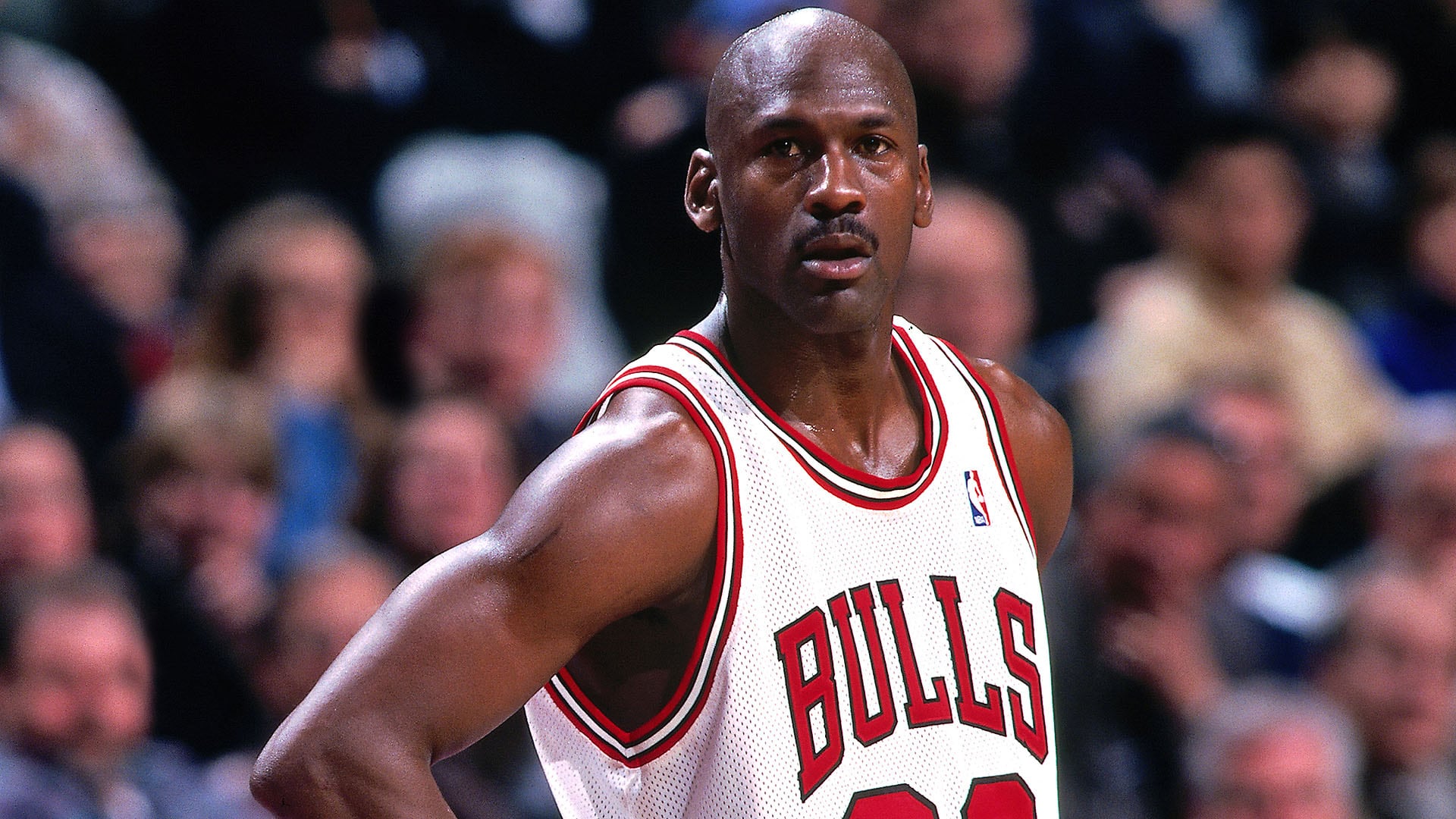
Michael Jordan’s move into NBA team ownership came after he had finished playing. In 2010, he acquired a controlling interest in the Charlotte Bobcats, seven years after his final NBA season. He later sold his majority stake in the Charlotte Hornets, retaining a minority interest.
Jordan’s route was team ownership. Others on this list founded companies, bought franchises, invested in startups or built consumer brands. The ventures differ in scale and in how closely each athlete was involved in day-to-day operations.
This feature counts founders, co-founders and documented owners of businesses entered after their playing careers. Endorsements alone do not qualify, nor do investments made while an athlete was still active.
1. Michael Jordan and Professional Sports Ownership
Jordan became the Bobcats’ majority owner in 2010. The team took back the Charlotte Hornets name in 2014. In 2023, a group led by Gabe Plotkin and Rick Schnall completed the purchase of Jordan’s controlling stake; he remained a minority investor. He also co-owns NASCAR team 23XI Racing with driver Denny Hamlin.
His Jordan Brand partnership began during his playing career, so it does not fit the post-retirement focus here. The Bobcats purchase does. It placed Jordan on the ownership side of professional sport, with responsibility for a franchise’s commercial as well as sporting fortunes.
2. Shaquille O’Neal and Big Chicken
O’Neal launched his Big Chicken restaurant brand in 2018, seven years after his final NBA season. The business has expanded through franchise agreements.
Big Chicken is distinct from the many investments O’Neal made while playing. A restaurant brand has to draw repeat customers and support its franchisees; recognition may bring people through the door, but it cannot run the kitchen or manage the locations.
3. David Robinson and Admiral Capital
Robinson and investor Daniel Bassichis launched Admiral Capital in 2007, four years after Robinson retired from the NBA. The firm made its first private-equity deal the following year, partnering with Kohlberg & Company to acquire food-service operator Centerplate. It later entered commercial real estate through a partnership with USAA Real Estate.
Admiral’s model combined Robinson’s profile and philanthropic interests with Bassichis’s investment experience. It is an investment platform, rather than a company selling a product directly to consumers.
4. Michael Redd and 22 Ventures
After retiring from the NBA in 2013, Redd turned to technology investment. Through 22 Ventures, he has built relationships with technology-focused startups. He has also worked as a mentor and investor with Snapchat’s Yellow incubator.
His business role is largely to back and advise other companies. That makes the results dependent on the ventures he supports and the value they create, rather than on the sales of a company he operates himself.
5. Michael Strahan and SMAC Entertainment
Strahan’s final NFL season was 2007. Four years later, he co-founded SMAC Entertainment with Constance Schwartz-Morini. The company works across talent management, branding and production.
SMAC grew from the pair’s connections in sports and entertainment, but its business extends beyond Strahan’s own television profile. It represents talent, develops projects and connects personalities with commercial opportunities.
6. Tiki Barber and Thuzio
Barber co-founded Thuzio in 2012, six years after his final NFL season. The company began by arranging appearances and events with athletes and entertainers, then developed into a corporate events and networking business. Triller acquired it in 2021.
The acquisition changed Thuzio’s ownership. Its terms do not establish Barber’s personal return, so the sale should not be treated as evidence of a particular payout.
7. Charles Woodson and Intercept Wines
Woodson retired from the NFL in 2015. Four years later, he launched Intercept Wines in partnership with California producer O’Neill Vintners & Distillers. The label reached national distribution in 2020.
The partnership gave the brand access to production and distribution expertise. Woodson brought the label and his interest in wine; O’Neill supplied industry infrastructure.

8. Emmitt Smith and commercial real estate
After retiring from the NFL in 2004, Smith entered construction and commercial real estate. His ventures included EJ Smith Construction and E Smith Realty Partners, which he formed with real-estate professionals Sharon Morrison and Brant Landry.
Smith discussed the challenge of earning credibility in the field in a 2016 interview with D Magazine. He later left the real-estate firm, which continued as ESRP.
Anyone who knows what the NFL actually stands for—it really stands for ‘Not For Long,’ not the National Football League. —Emmitt Smith
9. Drayton Florence and Vets 22
Florence played 11 seasons in the NFL. After his football career, he became director of strategic partnerships at Tech From Vets and co-founded the Vets 22 app, which connected veterans with resources and support.
The distinction matters: the source identifies Florence as a co-founder of the app, not Tech From Vets. His venture brought together technology and services for a community he wanted to support.
10. Marques Colston and Champion Venture Partners
Some of Colston’s sports ownership began while he was still playing, so it is not included here. His later work with Champion Venture Partners is the relevant venture. The firm describes Colston as a founding partner focused on investment opportunities in the sports ecosystem.
Colston has spoken about the difficulty of getting access to established investor networks. In a 2025 Forbes interview, he said:
You just get tired of seeing the same names, the same people get invited to the party, so to say. —Marques Colston
11. Eddie George and His Post-NFL businesses
Since retiring from the NFL in 2005, George has pursued business and entertainment work. His ventures have included the Edward George Wealth Management Group and EDGE, a landscape architecture and design firm he founded in Columbus, Ohio.
The businesses draw on different expertise: financial services on one side, landscape design and project work on the other. George studied landscape architecture before his NFL career, giving EDGE a direct connection to his education as well as his post-football plans.
12. Junior Bridgeman and restaurant franchising
After leaving the NBA, Bridgeman bought five Wendy’s restaurants in 1988 with a partner. He expanded into other restaurant brands and beverage bottling. A Wall Street Journal account of his career describes the initial purchase as a way to buy time while he looked for a second career.
Bridgeman had begun learning about business while he was still playing, but the restaurant purchase came after his NBA career. He built from that first group of locations into a much broader operating business.
13. Baron Davis and Business Inside the Game
Davis spent 13 seasons in the NBA. After his playing career, he founded Business Inside the Game, a platform for athletes, entertainers and entrepreneurs to connect through events and networking.
Davis has said his own experiences at conferences helped shape the idea. He wanted to make it easier for people to find useful contacts and build relationships across industries.
14. Lanny Smith and Active Faith
Smith’s professional basketball career ended after a knee injury, 33 days after he signed with the Sacramento Kings in 2009. He launched Active Faith, a faith-based sportswear brand, in 2011. In 2020, he founded Actively Black, an apparel company focused on Black culture and community.
Smith’s career ended abruptly, but the business followed soon after. The injury forced a change of direction; apparel became the work he built next.
15. Damon Dunn and Dunkin’ franchises
Dunn played in the NFL before building businesses in real estate and franchising. He later owned and operated Dunkin’ stores across several states. The International Franchise Association describes him as a franchise owner in multiple communities, while Dunn’s business biography details his franchise and real-estate work.
Dunn chose an established franchise system rather than starting a restaurant brand from scratch. The brand and operating model were already in place; managing locations, employees and local performance remained his responsibility.
Different Routes into Ownership
These careers took different shapes. Jordan bought control of a team. Robinson and Colston entered investment. Strahan and Barber built businesses in entertainment and events. Bridgeman and Dunn operated franchises; Woodson and Smith built consumer brands with industry partners.
The word “owner” covers several roles here. Some athletes ran operating companies; others founded investment firms or held stakes in ventures managed by specialist teams. Their involvement was not identical, and the list does not rank the businesses by revenue, value or success.
A sporting name can draw attention to a new company. The work that follows—hiring, financing, product development and serving customers—belongs to the business itself.
FAQs
Did all 15 athletes start their businesses after retiring?
The list counts businesses founded, acquired or entered through ownership after each athlete’s playing career. Earlier endorsements and investments made while still active are excluded.
Which athlete became a majority owner of an NBA team?
Michael Jordan became majority owner of the Charlotte Bobcats in 2010. He sold his controlling stake in the Charlotte Hornets in 2023 and retained a minority interest.
Which former athlete entered commercial real estate?
Emmitt Smith pursued commercial real estate and construction after retiring from the NFL. His ventures included EJ Smith Construction and E Smith Realty Partners.
Did any of these athletes build businesses outside sports?
Yes. Their ventures include restaurants, wine, real estate, technology, apparel, media and event services.
Does an athlete’s fame guarantee a successful business?
No. Recognition can introduce a business to customers, but results depend on demand, execution, financing, costs and management.
How is investing different from operating a business?
An investor commits capital to a company or asset and seeks a return. An operator is more directly involved in running the business. Some athletes do both, but the responsibilities differ.