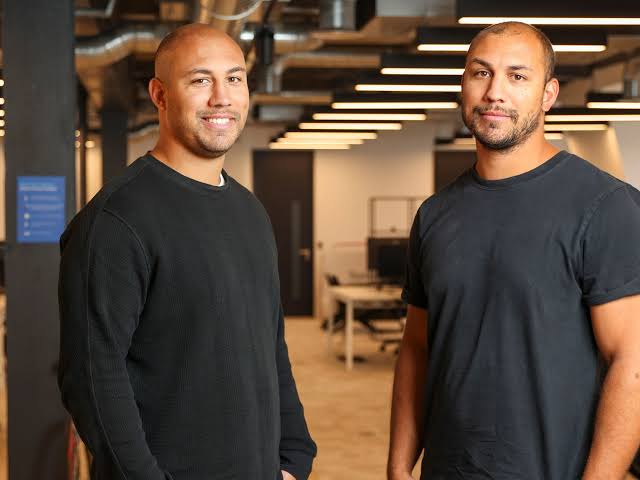
For nine months, Marshmallow’s founders worked from the lounge of a Virgin Active gym. British-Jamaican identical twins Oliver and Alexander Kent-Braham and software engineer David Goaté were trying to solve a problem raised by a South African acquaintance: car insurance in Britain was far more expensive than he expected.
By 2025, the company had raised $90 million at a valuation just above $2 billion. Marshmallow said it had insured more than one million drivers. The valuation was what investors placed on the private company. It was not the founders’ personal wealth or Marshmallow’s annual revenue.
The business began with a gap in the records. A driver might have years of experience abroad but little British insurance history. The twins thought insurers were missing useful information when they assessed that person.
What the Kent-Braham Twins Saw in Insurance
Insurance prices depend on what an insurer can assess: claims, driving experience, vehicle, address and other details. New arrivals may have long driving histories, but those records can be harder for British insurers to use. Some drivers receive high quotes. Others struggle to find cover.
The brothers heard the complaint from their South African acquaintance, then asked other newcomers about their experiences. They found the problem was not confined to one driver. A person’s record began elsewhere, and the local market had limited ways to read it.
Oliver had worked in leveraged finance at Investec. Alexander had worked as a hedge-fund analyst. After university, both joined Yoti, a digital identity company, where they met Goaté. They understood finance and software, but insurance required different expertise. They brought in Tim Holliday, an executive whose career included roles at the AA, Tesco and Zurich.
Oliver put the data opportunity plainly in an interview with Bloomberg:
We found that we were able to use data that other insurers aren’t using.
— Oliver Kent-Braham
Marshmallow was not proposing to ignore risk or offer automatic discounts. The company wanted insurers to consider more of each driver’s history. A fuller picture, the founders believed, could support a more accurate price for someone with limited British records.
The Model Had to Fit the Insurance Business
In 2020, TechCrunch reported that Marshmallow used data from outside Britain to assess drivers. Alexander Kent-Braham described the opportunity this way:
“We have the tools to offer insurance to customers that traditional insurers struggle with.”
— Alexander Kent-Braham
A model can identify a customer others have overlooked and still fail if the price is wrong. Premiums must attract customers and cover claims, staff and operating costs. Marshmallow needed underwriting partners willing to trust its estimates.
At first, it arranged policies that another insurer underwrote. In 2021, Marshmallow became a licensed insurance carrier, according to its company history. The move gave the company more control over pricing and product decisions. It also brought capital requirements and responsibility for paying valid claims.
The company looked beyond migrants as well. TechCrunch reported in 2020 that Marshmallow was seeking customers with fragmented address and credit histories, groups that insurers could struggle to price. The shared issue was a record that did not fit neatly into the data available to a conventional provider.
A Former Partner Took Marshmallow to Court
Marshmallow’s first reported outside funding was a $1.2 million seed round in 2018, backed by Investec and Passion Capital. Oliver had met Investec co-founder Bernard Kantor during an internship. The money helped the company build its product, but it still needed insurers to underwrite its policies.
That relationship became a legal dispute. Mulsanne, Marshmallow’s former underwriting partner, sued the company and its insurance subsidiary after the commercial relationship deteriorated. In February 2022, the High Court found breaches of contract and some misuse of confidential information. It rejected most of Mulsanne’s allegations and dismissed its passing-off claim. The ruling addressed liability; damages were left for later proceedings. The court judgment describes the dispute and the court’s findings.
The case arrived as Marshmallow was moving from broker to carrier. The company was building its own insurance operation while contesting what it could use from its former partner. The dispute put a practical question in view: how much control did Marshmallow have over the systems and information it needed to run independently?
Then came the pandemic. Lockdowns reduced traffic and driving. Bloomberg reported that Marshmallow’s growth had taken place partly during that period, leaving the return to ordinary driving conditions as a risk to watch. Lower traffic could not show how the company’s policies would perform when roads were busy again.
The British market is not a direct parallel to the U.S. insurance system. The financing issue crosses borders, though: who will back a company built for customers incumbents have not served well? Black Elites has examined a related challenge in Morgan DeBaun’s effort to build Blavity for an underserved audience. In both cases, the founders had to show that a customer group others viewed as narrow could support a substantial business.
Funding Rounds Tell Only Part of the Story
In September 2021, Marshmallow announced an $85 million Series B at a valuation above $1.25 billion. Its announcement said the company had sold more than 100,000 policies and raised over $100 million in the previous 12 months. Marshmallow had fewer than 100 employees at the start of 2021 and set a goal of hiring 400 over the next two years. That was a target; the announcement did not confirm that the company reached it.
In April 2025, Marshmallow raised another $90 million through debt and equity. TechCrunch reported a valuation just above $2 billion, one million drivers insured and a profitable annual revenue run rate of $500 million. A run rate annualises a recent pace of business. It is not audited revenue for a completed year.
Filed accounts offer another measure. Marshmallow Technology’s 2023 group accounts recorded £184.1 million in turnover, including earned written premium, and £54.8 million in commission and fees. The figures cover different parts of the business and should not be treated as interchangeable with the 2025 run rate. The filing history is available through Companies House.
A 2025 Business Leader profile reported that the Kent-Braham brothers still owned almost half of Marshmallow’s shares.
Marshmallow has added services beyond car insurance. Its current offering includes car and van insurance, home insurance and car finance. The company’s 2025 funding announcement also described international expansion and further product development as plans. Each new product brings separate underwriting, compliance and customer-service demands.
For founders exploring a market gap, customer behaviour can offer a starting point. Marshmallow’s early evidence came from drivers’ quotes and their difficulty finding cover. Turning that problem into an insurer required investors, underwriting relationships, claims systems and, eventually, the capital to carry risk.
The Real Test Starts After the Quote
Marshmallow has not replaced Britain’s insurance industry. It has challenged one practice within it: treating a lack of local history as enough reason to view someone as difficult to insure. Its broader use of data helped the company make offers to drivers whose experience was recorded elsewhere.
The company’s million-driver milestone and filed accounts show its growth. They do not show whether every customer received a lower price or how the model will perform as claims costs and competition change. In insurance, the relationship is tested when a customer files a claim.
The twins started with a mismatch between a driver’s experience and the records insurers could see. Investors later valued Marshmallow above $2 billion. Its durability will depend on the daily work behind that number: setting premiums that cover risk, handling claims and giving customers a reason to stay.
Frequently Asked Questions
Who Are Oliver and Alexander Kent-Braham?
Oliver and Alexander Kent-Braham are British-Jamaican identical twins who co-founded Marshmallow in 2017 with software engineer David Goaté. Before launching the company, they studied at the University of Bristol and worked at Yoti, a digital identity business.
What Does Marshmallow Do?
Marshmallow is a U.K. insurance and financial-services company. It began with car insurance for people who had moved to Britain and had limited local driving records. It later became a licensed carrier and added other insurance and financial products.
How Did Marshmallow Reach a Billion-Dollar Valuation?
An $85 million Series B in 2021 valued Marshmallow above $1.25 billion. A $90 million funding round in 2025 placed its valuation just above $2 billion. These private-round valuations are not the same as revenue, profit or the founders’ personal cash.
What Made Marshmallow’s Insurance Approach Different?
Marshmallow used data that could include driving experience from outside Britain to assess customers with limited U.K. histories. That gave underwriters more information to consider. The company still had to price policies carefully enough to cover claims and operating costs.
What Was the Mulsanne Case About?
Mulsanne, Marshmallow’s former underwriting partner, sued the company after their business relationship ended. In 2022, the High Court found contract breaches and some misuse of confidential information, rejected most allegations and dismissed Mulsanne’s passing-off claim.
What Can U.S. Founders Learn From Marshmallow?
Marshmallow shows how founders can build around a customer problem that established companies have overlooked. Its British insurance model does not transfer directly to the United States, but the questions of customer demand, capital, ownership and operations apply broadly.