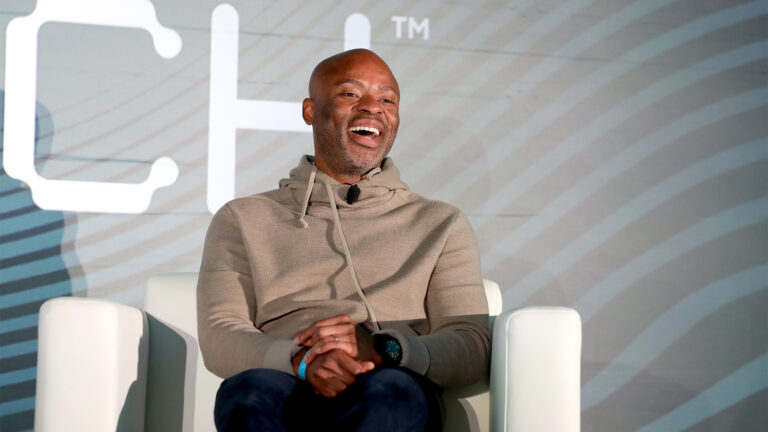
Darryl Lindie closed on AA Thrifty Sign & Awning in July 2023. The Rhode Island manufacturer had been in business for 77 years. Lindie, a Black Navy veteran, found it through a self-funded search he pursued while studying at MIT and Harvard. He financed the purchase with an SBA loan, conventional debt, a seller note and his own equity.
Then the handover got rough. Lindie later said he found customer deposits and projects billed before the work was finished. Buying an established company had given him customers and a workforce; it had also made him responsible for problems left behind.
A Different Route Into Ownership
Entrepreneurship through acquisition, or ETA, begins with a seller who wants out and a buyer willing to take over. The company already has a history: customers who expect orders on time, employees who know how the work gets done, equipment that needs maintenance, and books that may reflect years of one owner’s habits.
That history can save a new owner years of building. It can also hide trouble. A contract may depend on the seller’s personal relationship with a customer. The company may need working capital the purchase price does not cover. An owner who leaves quickly can take useful knowledge with them.
The stakes are larger than one transaction. For reference year 2023, the U.S. Census Bureau counted about 201,000 Black-owned employer firms, 3.4% of all employer businesses. They reported $249 billion in receipts. Receipts are not profits, and the figure excludes businesses without paid employees.
Buying an operating company is one way to gain control of equipment, contracts and a workforce sooner than starting from scratch. An acquisition can move an owner into the second category. The price of entry, however, may be substantial debt and the obligation to keep an unfamiliar operation running. H. Irving Grousbeck says:
It’s the most direct route to owning a company that you yourself manage.
— H. Irving Grousbeck
H. Irving Grousbeck, a Stanford professor emeritus and search-fund pioneer, was describing the model’s appeal. Finding a company is only the beginning. A buyer still has to judge what it is worth, secure financing and work out what the seller will do after closing.
How Buyers Find and Finance Companies
A traditional search fund raises money for the search itself. Investors may cover the entrepreneur’s living expenses and the costs of approaching sellers, reviewing records and hiring advisers. If the searcher finds a business the investors want to buy, they raise or commit additional capital for the acquisition. The searcher generally takes an operating role and receives an equity stake under the deal’s terms.
Lindie paid for his search himself. He told Acquiring Minds that he chose a self-funded approach; an earlier deal fell through before he bought AA Thrifty. Self-funding gave him control of the process, but the time and cost of searching were his to carry.
Micro-private equity, or micro-PE, works at a related scale. A smaller sponsor may back an operator’s purchase, buy a company directly or use one acquisition as a base for others. The operator may stay close to the first company’s daily work; a sponsor building a group of firms also has to decide where capital goes next and who will manage each business.
New Majority Capital, which Lindie co-founded, established NMC Fund I for small-business acquisitions. In June 2024, the firm announced the fund’s first close and described it as a private-equity micro-buyout fund targeting profitable, cash-flowing businesses. NMC said it had closed 12 acquisitions over the prior 12 months as an independent sponsor or deal adviser, and had more than 20 live deals in its pipeline. Those were the firm’s figures at the time. It did not identify all 12 as Fund I transactions.
NMC’s website now lists 65 Fellow acquisitions, $260 million in capital mobilised and 650 employees. It also gives $206 million as projected wealth generation. That number is a forecast, not realised wealth. The firm’s totals cover its wider activity and do not show how many buyers were Black.
The Financing Behind Lindie’s Purchase
In his Acquiring Minds interview, Lindie said he offered roughly three times AA Thrifty’s $645,000 in seller’s discretionary earnings, then negotiated to buy real estate too. Sellers and buyers use SDE to estimate the earnings available to a single owner-operator. It is not audited net income.
Lindie said he put in about $400,000. The seller carried a $530,000 note over five years, with payments on standby for the first two. An SBA 7(a) loan covered part of the remaining cost. The real estate added another transaction: one parcel required a conventional loan. Lindie said some of his equity came from a VA home loan and home equity. The arrangement helped him close, while exposing his personal finances if the company’s cash flow fell short.
A deal like this is built from obligations with different terms. The lender expects scheduled payments. The seller waits for some of the price and may have to wait longer if the note is on standby. The buyer’s equity is at risk first. In an equity rollover, the seller retains a stake and can share in later gains, but may also retain an interest in company decisions.
The SBA’s 7(a) programme can support eligible complete or partial changes of ownership. The maximum loan is $5 million. The agency guarantees part of the lender’s loan; it does not forgive repayment. The lender still decides whether the buyer, company and deal meet its requirements.
What the Seller Leaves Behind
The financing was only one challenge in Lindie’s transition. He said he found deposits from customers and projects billed before the work was completed. He also described a continuing dispute with the seller, a workplace with low trust and complications involving the bookkeeper’s relationship with the former owner. Those details come from Lindie’s account of the deal.
A buyer can examine bank statements, tax returns, contracts and customer records before making an offer. Still, paperwork does not always show how much of the company depends on the seller, or how staff will respond to a new boss. Lindie’s account makes the handover part of the acquisition story: the buyer had to sort through old obligations while learning how the business operated.
He saw opportunity in the market, too. Lindie said smaller sign shops had closed or owners had retired, while a major competitor had been acquired by an out-of-state company. The industry still had customers, but fewer local options. That did not spare AA Thrifty from production delays or the work of rebuilding trust among employees.
Lindie later hired a general manager. He said that freed him to spend more time on strategy and to improve how jobs moved through production. Whether an owner can make that shift depends on the people and systems inside the company. Buying another firm before the first one can operate without constant owner intervention can stretch management and cash.
Who Owns the Upside?
New Majority Capital is trying to make acquisitions more accessible to underrepresented entrepreneurs through training, support and capital. The fund’s terms matter as much as its availability. Investors may expect returns and governance rights. The operator needs to understand how much ownership remains theirs and what authority they keep after closing.
This is a unique opportunity for under-represented entrepreneurs to acquire businesses and start on a path of building generational wealth.
— Allegra Stennett
The promise of ETA is ownership of a company that already employs people and serves customers. But the new owner inherits responsibility for payroll, supplier relationships, equipment and debt. A purchase can build wealth only if the business remains healthy enough to meet its obligations and produce value after the seller is gone.
That is one reason the size and quality of the company matter more than a headline purchase price.
Lindie’s deal does not make the path look easy. The search took time; an earlier deal failed; the financing mixed personal funds, debt and seller credit; and the transition brought disputes he was still working through. He also gained a company he could operate and, through New Majority Capital, became involved in building support for other buyers. That combination is what moves the story from operator toward allocator, even as the day-to-day business still demands attention.
FAQs
What is a search fund?
A search fund finances an entrepreneur’s effort to find and acquire a private company. Investors may fund the search first and provide more capital for a suitable acquisition. The searcher often becomes the company’s chief executive after closing.
What is a self-funded search?
A self-funded searcher pays for the search personally, then seeks financing after finding a target. The buyer controls more of the process but carries more of the early costs and the risk that no acquisition closes.
Can an SBA 7(a) loan fund a business purchase?
Eligible 7(a) loans can finance complete or partial changes of ownership, subject to SBA rules and lender approval. The maximum loan is $5 million. Borrowers remain responsible for repayment, and lenders assess the business and transaction.
How does seller financing work?
The seller accepts a note for part of the purchase price and receives payments over time. This can help bridge a financing gap. The schedule, interest and standby terms affect the buyer’s cash flow and the seller’s risk.
What is micro-private equity?
Micro-PE is a small-scale private-equity approach to acquiring smaller businesses. A fund or sponsor may back an operator’s purchase, buy a company directly or support later acquisitions. The structure and ownership terms vary by deal.
Why does the handover matter?
A company may rely on the former owner’s relationships and knowledge. The buyer must learn the operation while keeping customers, staff and suppliers confident in the transition. Problems missed before closing can disrupt work and cash flow afterward.