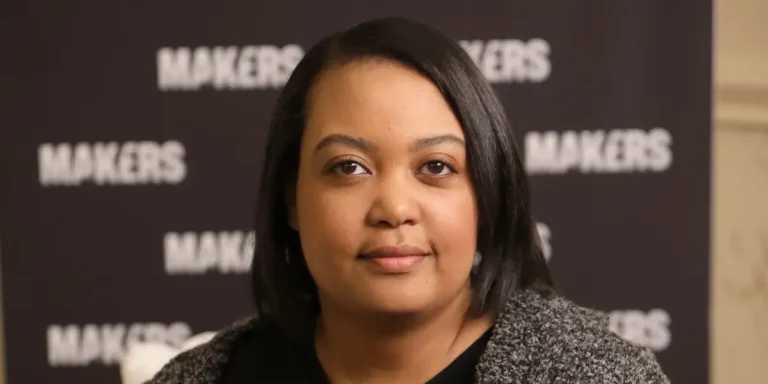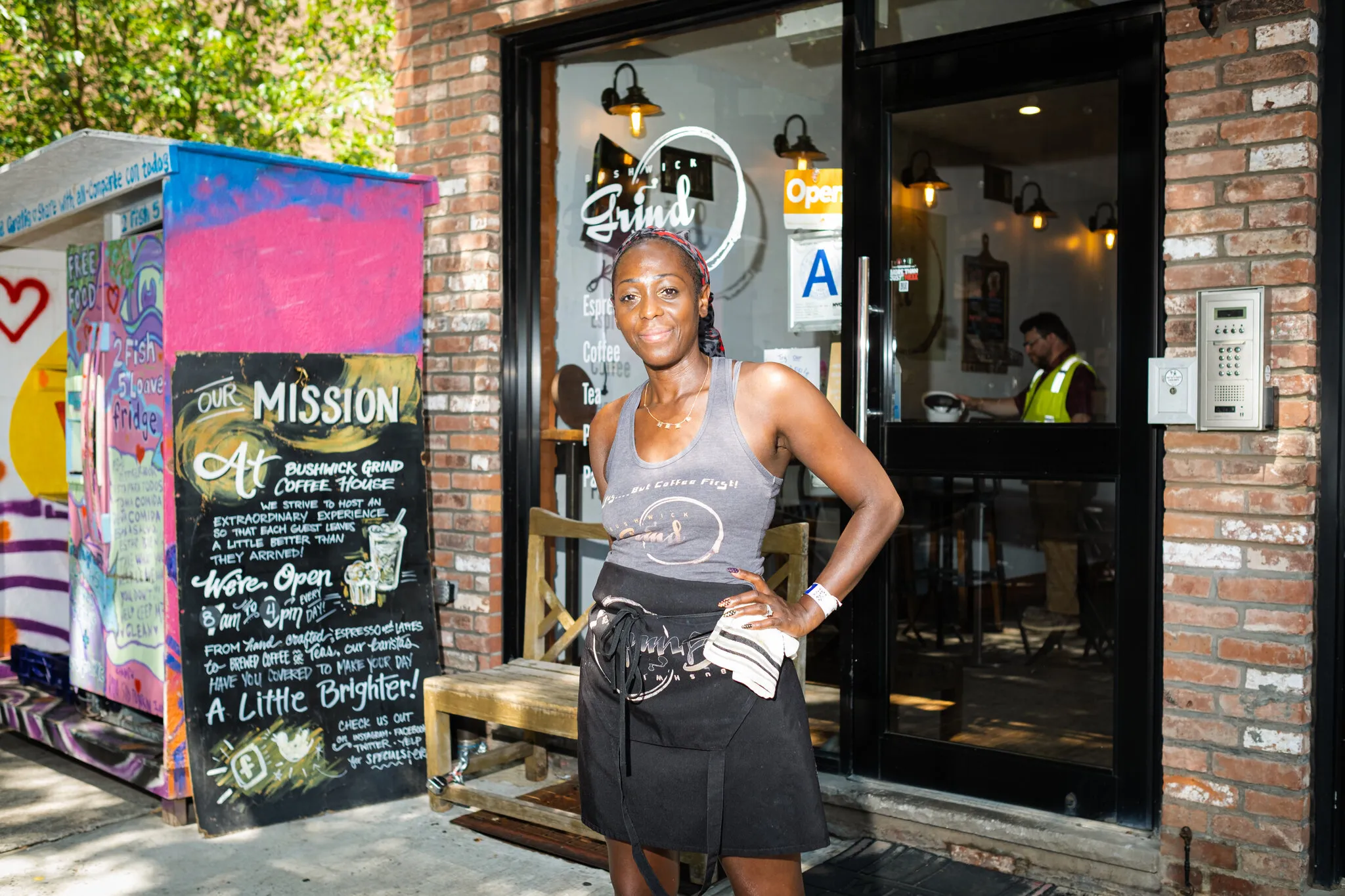
In July 2023, Bushwick Grind Cafe owner Kymme Williams-Davis had a plan for a $25,000 grant: upgrade machinery and hire another barista. The café had already received a $5,000 grant. A year earlier, rising costs had pushed Williams-Davis to raise prices, and she told the Associated Press that nearly half her regular customers had stopped coming.
The new award could help pay for equipment and staffing. It could not bring back customers on its own. Bushwick Grind’s experience is a useful look at how one Black-owned café combined grant funding, training, a loan, local business relationships and new sources of revenue while trying to keep its doors open.
Three Grants, Three Moments
Williams-Davis and her husband, Raymond, opened Bushwick Grind in 2015. The café grew from coffee and pastries into a full-service restaurant. Accion Opportunity Fund’s 2021 annual report describes its menu as health-conscious, with food sourced from local producers.
That year, Williams-Davis joined the Main Street Strong Accelerator, run by Accion in partnership with DoorDash. The eight-week program offered restaurant owners practical instruction on marketing, cash-flow management, menu development and access to capital. Accion says Williams-Davis received a $20,000 grant through the program.
The café also received a $5,000 grant before winning a $25,000 enhancement grant in 2023. The three awards total $50,000, accumulated over separate programs and years. They were not a single financing package.
The 2023 award came from the Coalition to Back Black Businesses. The Coalition selected 14 businesses for $25,000 enhancement grants from a 2022–23 cohort of 324 grantees. It paired funding with mentorship and business-development support. American Express and the U.S. Chamber of Commerce Foundation established the program with other partners; Optimum, Cummins and Shopify also supported the 2023 cycle.
“We’re upgrading some of our machinery, we’re also able to hire new staff so we’ll have a new barista.”
— Kymme Williams-Davis
Those were Williams-Davis’s stated plans when the award was announced. Equipment and staffing are recurring demands in a café: machines need to work through the rush, and employees have to keep orders moving. The announcement records what she intended to do with the money, not whether each purchase and hire was completed.
The American Express connection can be easy to misread. Bushwick Grind’s $25,000 came through the Coalition to Back Black Businesses. It was not a grant from American Express’s separate Backing Historic Small Restaurants initiative, run with the National Trust for Historic Preservation.
The earlier Main Street Strong award came with training as well as money. Accion says Williams-Davis received advice from restaurant experts and connected with other owners. She described the value of that support in a Coalition profile published by the U.S. Chamber of Commerce Foundation:
“Because of this funding, many of our growth strategies can be implemented sooner than forecasted and/or more efficiently.”
— Kymme Williams-Davis
For a small operator, moving a plan forward sooner can matter. A grant can pay for an eligible investment without adding interest or selling part of the business. It still takes time to apply, and the owner has to decide which expense should come first.
The Loan Was Different
Grants were only part of Bushwick Grind’s financing. After the pandemic shutdown, Williams-Davis obtained an interest-free loan through the Restaurant Future Loan Program, according to Ascendus’s account of the café’s reopening.
The loan still had to be repaid. The grants did not. Together, they gave the café access to different kinds of support at different moments: a grant paired with an accelerator, later grant awards, and a loan to help reopen.
That distinction matters to business owners comparing funding options. A grant does not require repayment, but applications are competitive and come with eligibility rules. A loan creates a repayment obligation, even when it has no interest. Neither one ensures that customers will return or that the business will generate enough cash to cover its costs.
Black-owned businesses often face hurdles in getting capital, including collateral demands and unequal access to credit. Bushwick Grind’s path included non-dilutive funding, but also a loan and the day-to-day work of finding revenue.
The Café’s Space Did More Than Serve Meals
During the pandemic, Bushwick Grind closed for nine months. Williams-Davis told Ascendus that her father died after contracting COVID-19 and that she shifted her attention to her family. To bring in money while the café was closed, she and her husband hosted pop-up businesses in the space. Williams-Davis said the arrangement helped cover rent.
The café’s role in the neighborhood extended beyond food service. Accion says it hosted a “Brick Boutique,” giving small businesses a place to sell products, and supported the 2Fish5Loaves community fridge. The Pace Small Business Development Center also reports that the café made its space and retail shelves available to other businesses during the shutdown.
Accion describes Bushwick Grind as sourcing food from local producers. The suppliers and the grants both formed part of the business’s story, but they served different purposes. The available accounts do not tie grant money to the supplier relationships. They do show a café with local producers in its supply chain and other small businesses using its shelves and space.
In 2021, Bushwick Grind won a New York City contract to prepare 100 meals a day for vaccination sites, according to Pace. That was earned contract revenue, not grant funding. The same profile says the café later served three sites. For a small restaurant, institutional work can bring a different customer and a steady volume of orders, along with the responsibility of meeting a daily commitment.
Prices Went Up. Some Customers Left
The business was still vulnerable to the cost of serving walk-in customers. In September 2022, the Associated Press reported that Williams-Davis had raised prices and switched products as coffee, milk, paper and plastic costs rose. Some supplies, including cups and lids, were harder to find.
She said the café had lost nearly half its regular customers. Some were choosing cheaper coffee elsewhere; others started making coffee at home. For a neighborhood café, that is a hard calculation. Higher prices can help cover rising input costs, but customers may decide to spend less or go somewhere cheaper.
The following year, Williams-Davis announced that the $25,000 grant would go toward machinery and staffing. The award addressed needs she identified inside the business. It did not erase the pressure from higher supply costs or guarantee a return of lost customers.
Bushwick Grind had to respond on several fronts: use its space for pop-ups when the café was closed, pursue a city meal contract, seek grants and training, and make decisions about prices and products. No single source of money carried the business through every setback.
What Other Restaurant Owners Can Take From It
The café’s funding history is not a template that every restaurant can copy. The awards came from programs with different rules and at different stages of the business. But the case does show why owners should match an application to a specific need.
A request for machinery is clearer when the owner can name the equipment, cost and role it will play in service. The same goes for a hiring plan or inventory purchase. A grant is more useful when it supports a decision the business is ready to carry out.
Bushwick Grind’s experience also puts the outcome in perspective. Williams-Davis described planned uses for the 2023 grant, while the public announcement did not report whether every planned expense was completed. The grant itself is a documented result; the intended upgrades and hire were plans at the time.
Bushwick Grind drew on grants, training, a loan, local business ties and contract work. Each helped in a different way. The owners still had to make the café work, one order and one operating decision at a time.
Frequently Asked Questions about Brooklyn’s Bushwick Grind Cafe
Who founded Bushwick Grind Cafe?
Kymme Williams-Davis founded Bushwick Grind with her husband, Raymond Davis. The café opened in 2015 in Brooklyn’s Bushwick neighborhood. Accion describes its growth from a coffee-and-pastry shop into a full-service restaurant with a health-conscious menu.
How much grant funding did Bushwick Grind receive?
Reports document a $20,000 Main Street Strong grant, an earlier $5,000 grant and a $25,000 Coalition enhancement grant in 2023. Together, those awards total $50,000 across separate programs and years, rather than a single financing package.
Was Bushwick Grind a recipient of American Express’s Backing Historic Small Restaurants grant?
The $25,000 award came through the Coalition to Back Black Businesses, established by American Express, the U.S. Chamber of Commerce Foundation and other partners. That program is separate from Backing Historic Small Restaurants, run with the National Trust.
What did Williams-Davis plan to do with the 2023 grant?
She told News 12 that she planned to upgrade machinery and hire another barista. The report documents her plans when the award was announced. It does not confirm whether the purchases were made or the hire was completed.
What other financing did the café use?
Ascendus reports that Bushwick Grind obtained an interest-free loan through the Restaurant Future Loan Program to reopen after its pandemic shutdown. Unlike a grant, the loan was repayable, although it carried no interest.
What setbacks did the café face?
Bushwick Grind closed for nine months during the pandemic. Later, Williams-Davis raised prices as supply costs climbed and said the café lost nearly half its regular customers. The owners also used pop-ups and a city meal contract during the recovery.