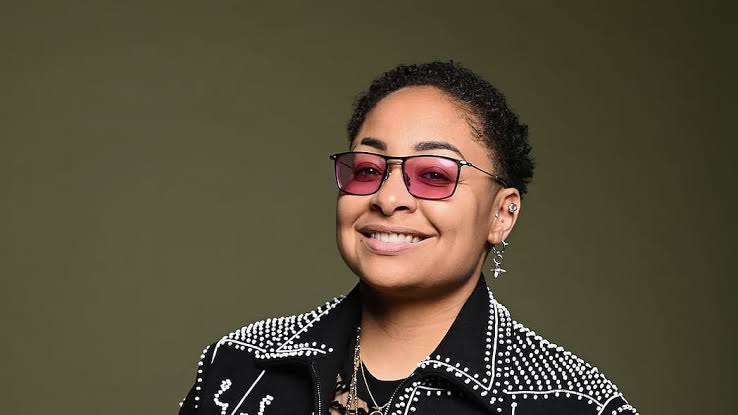


On the weekend Candyman opened at No. 1 in the United States, Nia DaCosta became the first Black woman to direct a film debuting at the top of the domestic box office. The milestone drew attention. Yet Marvel had chosen her for The Marvels before audiences saw Candyman. Executives had watched the film before its release and heard DaCosta pitch. Her rise through Hollywood’s genre ranks began with a studio decision made in advance of the result that would make headlines.
DaCosta’s résumé now moves between an independent drama, two horror franchises and a Marvel film. Studios keep trusting her with stories that come with an existing audience and expectations. That speaks to her range and to the industry’s interest in directors who can make familiar material feel specific. The box-office outcomes have not all been the same. Neither the credits nor the grosses tell us who owns the stories or how much control DaCosta had on each set.
The Work Behind Little Woods
In Little Woods, two sisters struggle to keep their lives together in a North Dakota town shaped by an oil boom. The feature grew out of DaCosta’s work with the Sundance Institute. Sundance reports that the script was accepted into 12 of its programs. A Catalyst Forum helped her learn how to seek financing before she began shooting in 2017. The film premiered at Tribeca in 2018 and earned the Nora Ephron Prize.
Getting a first film into production is an exercise in persuasion. A director has to convince people to invest time, money and labour in a project that has no box-office history. Sundance gave DaCosta a place to work on the script and meet filmmakers and actors. Tessa Thompson and Luke Kirby joined Little Woods after meeting her through the institute’s lab. Thompson later appeared in The Marvels and DaCosta’s Hedda.
The debut did not have a pre-sold fan base. Its value to DaCosta’s career was the film itself: evidence of how she handled characters, tension and a story that moved at a different scale from a superhero production. When Marvel later considered her, it was looking at both this indie work and what she proposed to do with its characters.
How DaCosta Got the Candyman Assignment
Universal’s 2021 Candyman returned to the Chicago neighborhood of Cabrini-Green, where the horror story began in the 1992 film. DaCosta directed and co-wrote it with Jordan Peele and Win Rosenfeld. Her version connects the legend to the neighborhood’s history and redevelopment.
The film’s opening weekend brought in about $22 million in U.S. ticket sales, putting it first domestically. DaCosta became the first Black woman to direct a film that opened at No. 1. The Numbers lists a $25 million production-budget estimate and about $79 million in worldwide theatrical grosses. Those figures show the scale of the release. They do not show the studio’s final profit after marketing, distribution, exhibitors’ shares and revenue from other windows. citeturn0search1turn4search0
Between getting Jordan Peele for Candyman and The Marvels, these studios started saying, ‘Oh, this person’s actually really good. She’s someone worth hiring, et cetera.’ — Nia DaCosta
In the Wonderland interview, DaCosta described how she got to Marvel. The studio was open to newer directors, she said, and placed her on a shortlist. She pitched for the film, then sent Marvel Candyman before the horror film’s theatrical release. Marvel saw the work before the public did. That sequence is why its decision should not be presented as a reward for Candyman’s No. 1 opening.
Peele’s involvement brings another business distinction into view. DaCosta directed the film; Peele and Monkeypaw Productions were among the producers. Producers may help develop, package and guide a project, but a credit does not spell out ownership or revenue shares. Those depend on contracts.
What Marvel Asked DaCosta to Carry
The Marvels brought Captain Marvel, Monica Rambeau and Kamala Khan into the same story, connecting characters from films and television. Disney lists DaCosta as the film’s writer and director. In an interview with the company, she said the initial outline changed during development. She worked to bring the relationships among the three women, and themes of family and home, closer to the surface.
There was room for her to shape the film. In Vanity Fair, DaCosta also described the pressure of attaching her name to a Marvel production when the studio could accept some ideas and leave others. She wanted to be proud of the work. citeturn2view0
People are like, ‘Oh, it’s a Marvel film. Cool, cool, cool,’ but I also have my name on it, so I want to be able to be proud of it too. — Nia DaCosta
That is the bargain of a connected universe. Marvel can supply a large crew, visual-effects resources and characters audiences already know. The director has to make the individual movie work while fitting it into a broader story that extends across other releases.
The theatrical outcome was modest beside the first Captain Marvel. The Numbers records about $206 million worldwide for The Marvels, against an estimated $270 million production budget. Captain Marvel earned about $1.13 billion worldwide. The comparison does not explain why audiences turned out differently for the two films, and budget estimates do not include every cost. It does show that an established property can still lose momentum between releases. citeturn1search0turn1search6
The assignment gave DaCosta a prominent credit and experience with a major visual-effects production. The public record does not establish her compensation, approval rights or participation in later franchise revenue. Those terms sit in contracts, not in box-office charts. A director may use a studio credit when pitching future work, but that advantage does not automatically translate into control over the next project.
For Black filmmakers, access to that infrastructure matters. Major studios control many familiar properties and the production and distribution systems that can put a film in theatres worldwide. Independent filmmakers may originate the story, but they often have to secure financing and distribution title by title. Black Elites’ coverage of Jon Gosier’s film and television finance work looks at efforts to widen investor access.
A strong studio credit can help a director enter the next negotiation with more experience and visibility. The deal still determines the value: a producing role, first-look arrangement or paid development agreement can support new projects, but does not hand a filmmaker the rights to a studio-owned franchise.
Another Horror World, Another Commercial Test
In 2026, DaCosta directed 28 Years Later: The Bone Temple, a sequel in the franchise created by Danny Boyle and Alex Garland. Sony’s official page credits her as director and describes the film as a continuation of 2025’s 28 Years Later. She had returned to horror, now working within a different series and its history.
The Numbers reports about $58.5 million in worldwide ticket sales and a $63 million production-budget estimate. The gross falls below the estimated production cost, but it is not a full accounting of the film’s financial result. Marketing, later distribution revenue and other expenses are not included in those two figures. citeturn3view1
The numbers around DaCosta’s three studio genre films are mixed. Candyman opened at No. 1; the grosses for The Marvels and The Bone Temple fell below their listed budget estimates. Her assignments show studios continue to trust her with large-scale genre productions. They do not make her a guaranteed box-office draw.
DaCosta has said that working on The Marvels made her want to write original films again. That ambition is part of the career story, too. Genre experience may help her pitch those projects. Financing and deal terms will decide how much authority she has over them and who owns the worlds she creates. citeturn2view0
Frequently Asked Questions
What was Nia DaCosta’s first feature film?
DaCosta’s first feature was Little Woods, an independent drama about two sisters in a North Dakota town. Developed through Sundance programmes, it premiered at Tribeca in 2018 and received the Nora Ephron Prize.
Why did Candyman make history?
The 2021 film opened at No. 1 in the United States. DaCosta became the first Black woman to direct a film that debuted at the top of the domestic box office.
Did Candyman’s opening lead Marvel to hire DaCosta?
No. DaCosta said Marvel shortlisted her, heard her pitch and watched Candyman before its theatrical release. The appointment preceded the film’s public box-office result.
How much did The Marvels earn?
The Numbers reports about $206 million in worldwide ticket sales. Its $270 million production budget is an estimate. Those figures alone cannot establish the film’s final profit or loss.
Does directing a franchise mean a filmmaker owns it?
No. A directing credit does not establish ownership of a film’s characters or franchise. The contracts determine ownership, compensation and approval rights.
What can a franchise assignment do for a director?
It can add experience, industry relationships and a prominent credit to a filmmaker’s résumé. It does not guarantee a hit, creative control or ownership of the property.