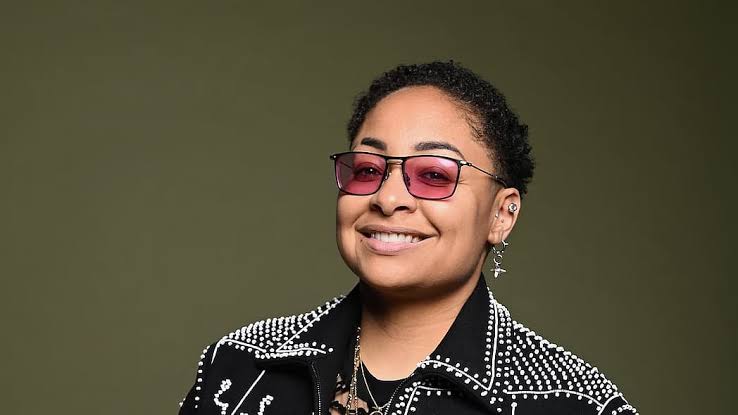
The viral clip isn’t really about whether Raven Baxter was Black. What it exposes is a harder disagreement over who gets to define what a character means culturally — the performer, the script, or the audience.
The question sounded almost absurd when she asked it. “Raven Baxter was so fucking Black,” comedian Kalen Allen said on an April 2026 episode of Tea Time With Raven & Miranda. “Was she Black?” Raven-Symoné cut in.
Allen had watched a Black teenage girl grow up on television with Black parents and a younger brother. He didn’t appear to expect an argument. Raven gave him one. “Take away the color. Make them green, and hear the words. What color are they?” The exchange attracted little notice outside the podcast’s audience at first. Clips began circulating again in late August and early September, several months after the episode aired, and the old argument around Raven’s relationship with Black identity returned with them.
Much of the reaction has followed the usual celebrity-controversy script: isolate the most combustible sentence, decide what kind of person would say it, and move on. The conversation between Raven and Allen is worth hearing in full because they are disagreeing about something viewers have never quite settled. Raven sees a difference between putting a Black actress at the centre of a programme and making Blackness the character’s defining concern. For viewers who understood Raven Baxter’s presence as meaningful in itself, the distinction feels artificial, particularly after two decades of reruns and childhood memories that Raven did not shape herself.
Separating the Character from her Color
Raven describes Raven Baxter in terms that will be familiar to anyone who watched the series: psychic visions, clothes she designed herself, plans that became steadily worse as she tried to fix them. Most episodes weren’t organised around race. The comedy usually came from the lies Raven told after seeing a fragment of the future and the trouble caused by acting before she understood it.
There was freedom in that. Black children could watch someone who looked like them carry a Disney sitcom without waiting for the script to explain why she was there. Raven could be selfish in one scene and generous in the next. Her parents worried about work, money and discipline. Her brother annoyed her. The family was allowed the ordinary material from which sitcoms had long been made.
Audiences responded. That’s So Raven ran for four seasons and 100 episodes between 2003 and 2007. Entertainment Weekly, writing about Disney Channel’s former 65-episode limit, credited it as the network’s first original series to pass that line. The franchise later produced Cory in the House and, ten years after the original ended, Raven’s Home.
Some episodes make Raven’s argument harder to sustain. In “True Colors,” broadcast in 2005, Raven is denied a job because she is Black and helps expose the manager responsible. The programme also dealt with racial ideas about beauty and belonging. A 2024 University of Michigan study found that it addressed race infrequently, which is true, while identifying workplace discrimination and racist beauty standards among the subjects it did take on.
Those episodes weren’t interruptions imported from another show. They happened to Raven Baxter, inside the same fictional life that contained the visions and fashion disasters.
“Take away the color. Make them green, and hear the words. What color are they?” — Raven-Symoné
If the characters were green, many of the jokes would survive. That may be all Raven was trying to establish. But the children who saw a Black girl occupying the ordinary centre of a Disney comedy weren’t watching green people, and few of them needed a special episode on racism to notice the difference.
How Raven Talks about Identity
Reject Categories that Threaten to Become the Whole Identity
Raven’s resistance to labels didn’t begin with this podcast. During a 2014 interview with Oprah Winfrey, she said she did not want to be labelled gay, preferring “a human who loves humans.” Then came the line that took over the interview: “I’m an American, I’m not an African American. I’m an American.” ABC News covered the exchange and returned to it when Raven explained herself years later.
She was objecting to the way one category could swallow everything else about a person. Black performers know that problem particularly well. A role may offer rich material about race, or leave the actor carrying a lesson whenever she appears. That’s So Raven usually let its lead get on with being a teenager. She tried to impress boys, chased opportunities and talked herself into trouble. For children used to seeing white characters given that range, Raven Baxter’s freedom was part of what made her Blackness noticeable.
Keep the Performer Separate from the Role
Disney once considered making Raven Baxter a lesbian in Raven’s Home. Raven-Symoné, who is herself a lesbian, turned down the idea.
“The reason I said no wasn’t because I wasn’t proud of who I was,” she said on the PRIDE podcast in 2021. She thought the character had already been established and saw “no reason” to make her sexuality match the actor’s. Teen Vogue reported the explanation.
Actors play lives other than their own, and a revival needn’t turn a change in the performer’s life into a change on screen. The comparison with race gets untidy, though. Disney had never established Raven Baxter’s sexuality. Her Blackness was visible from the pilot and later mattered to what happened at school and work. Viewers who supported Raven’s decision about the character’s sexuality have still questioned why she treats the two cases alike. “True Colors” is usually where that comparison runs aground.
Define Yourself Before the Audience Does it for You
Raven has been famous since childhood. By the time most people begin working out how they want to describe themselves, she had already been presented to audiences as Olivia from The Cosby Show, a recording artist and a Disney star. She later sat at the table on The View, where casual remarks were routinely extracted, titled and circulated before the programme was over.
It helps explain the vigilance, though not always the phrasing. Raven has spent years returning to interviews to say that the public heard a denial where she believed she had drawn a distinction.
A lot of people on the internet thought I said that I wasn’t Black, and I never said that. There’s a difference between being Black and African. — Raven-Symoné
In 2024, she said her family had lived in the United States for generations and that refusing the description “African American” wasn’t “negating my Blackness.” ABC News reported that clarification as well. Her preferred word was American; Blackness, ancestry and nationality weren’t interchangeable in the way she understood her family.
The explanation is more precise than the original headline. It also arrived after ten years in which the headline had done most of the travelling. By the time Raven returned to it, many people were no longer responding only to the Oprah interview. They were responding to a public history of remarks, explanations and fresh disputes, with Raven Baxter now folded into it.
A Clarification that didn’t Resolve the Problem
“When that aired, I felt like the entire internet exploded and threw my name in the garbage,” Raven said in 2024, looking back at the Oprah interview. She believed critics had changed “I am not African American” into “I am not Black,” two statements she did not consider remotely equivalent.
Her later account filled in what the short version had lost. She spoke about generations of family history in the United States and acknowledged what her ancestors endured there. “American” remained the word she wanted. That is a personal choice and doesn’t require a public vote.
The disagreement around Raven Baxter works differently because it concerns a shared piece of culture. The “make them green” test asks viewers to subtract race and see whether the character remains recognisable. Plenty of viewers start somewhere else. They remember what it meant to encounter that particular face, family and home on Disney Channel, long before representation became a routine part of corporate publicity.
Raven’s own relationship to race is also less common than she sometimes makes it sound. In a 2022 Pew Research Center survey, 78% of non-Hispanic Black adults said being Black was extremely important to how they saw themselves. Nine per cent said it had little or no effect. The smaller figure matters here. It leaves room for people whose Blackness doesn’t organise their sense of self, even as it shows why Raven’s language has repeatedly met an audience that hears identity differently.
Who Gets to Say What Raven Baxter Meant?
Disney financed and distributed That’s So Raven, then kept the franchise moving through two spin-offs. Raven’s claim goes deeper than having her face on the poster. By the fourth season she had a producer credit, and she returned to Raven’s Home as both star and executive producer. She remembers discussions about the character that never made it into an episode or press interview.
The podcast she hosts with her wife, Miranda Pearman-Maday, now gives her room to tell those stories in her own time. That room can be revealing. During a single conversation, Raven may sound amused by an old misunderstanding and irritated that she has to explain it again. A circulating clip usually preserves one of those moods.
Disney can point to the programmes it made. Raven can point to what happened in the room. Viewers tend to point somewhere else altogether: the living rooms and bedrooms where they first watched the show. Their memories aren’t consistent. Some recall Raven Baxter as an important Black presence on television; others remember a funny Disney character and thought little about representation at the time. Both recollections appear beneath the same viral clips.
What Viewers Understand
For many Black viewers, the show’s importance was never confined to episodes such as “True Colors.” It was also in the furniture, the family arguments and the sight of Raven taking up most of the screen without having to justify it. People who were children in 2003 now describe that experience using a political vocabulary they may not have had then.
That distance in time complicates Raven’s account. She is speaking from the set, where character notes, network decisions, and performance choices shaped Raven Baxter. Her audience is speaking from childhood. The two memories were formed in different places and for different reasons.
Comments beneath the resurfaced clip are full of viewers recalling who watched beside them and how unusual the Baxter family seemed on Disney Channel. Those recollections don’t establish what the writers intended. They do explain why Raven’s invitation to imagine the characters as green felt, to some people, like the removal of the thing they had noticed first.
Frequently Asked Questions
Did Raven-Symoné say she isn’t Black?
Raven has repeatedly identified herself as Black. She rejects “African American” as a description of her nationality and family history, a distinction that has often disappeared when her comments are quoted online.
Were the controversial comments made in September 2026?
They came from an April 2026 episode of Tea Time With Raven & Miranda. The episode attracted renewed attention when clips spread in late August and early September.
Was Raven Baxter explicitly written as Black?
The programme placed a Black girl inside a Black family, and several episodes made her race relevant to the plot. “True Colors” dealt directly with employment discrimination. Most weeks, however, the stories concerned Raven’s visions, friendships, clothes and family life. That mixed record is why the argument has lasted.
Is Raven-Symoné trying to redefine Blackness for everyone?
She has generally spoken about the terms she chooses for herself and the way she understands Raven Baxter. The dispute widened because many viewers heard those remarks as a judgment on a character they associate with their own childhood and with Black representation on television.