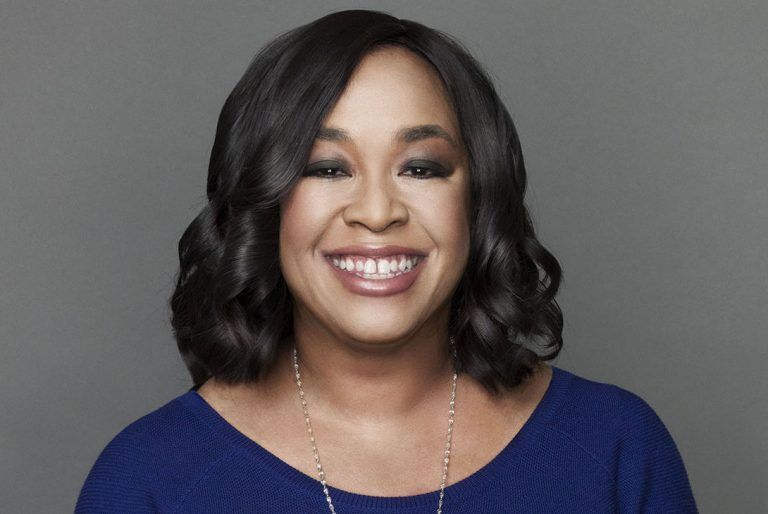
Nobody expected a first-time television creator to reshape Hollywood. Back in the early 2000s, network TV ran on familiar formulas. Writers felt pressure to deliver a hit, and that pressure usually meant playing it safe. Shonda Rhimes went the other way. Instead of letting fear of failure call the shots, she used it as fuel to write the stories she believed audiences had never actually seen.
The gamble paid off. Grey’s Anatomy premiered in 2005 and became the longest-running primetime medical drama in television history. Rhimes went on to build one of entertainment’s most influential creative empires. Fear, it turns out, can be a catalyst. Not a barrier.
Why Shonda Rhimes Walked Away From the Machine She Built
The defining Rhimes decision wasn’t creating Grey’s Anatomy. It was leaving ABC.
She had scale. Institutional influence. A broadcast machine that worked. At her peak, Rhimes was responsible for roughly 70 hours of television per season—about $350 million in production costs, according to TED.
But network television came with strings attached: budget negotiations, broadcast restrictions, a production cycle that never let up. Rhimes later described herself as creatively restless. The widely reported Disneyland-pass dispute got all the headlines, but that was just the trigger. Not the actual problem.
In August 2017, she moved Shondaland’s future development to Netflix. Her existing ABC programs stayed put at ABC, which meant Rhimes was essentially betting she could build another hit engine from scratch, outside the very system she already dominated. Netflix called it a multi-year production deal.
The bet worked. Netflix expanded the partnership in 2021 into film and other ventures. By the first half of 2026, the Bridgerton franchise alone had racked up 180 million views—100 million of those for Season 4 alone.
Her Operating Code: Use Fear, Then Move
Treat Fear as a Decision Signal
When fear stems from unfamiliarity rather than genuine, unacceptable downside, dig into the opportunity instead of shutting it down automatically. According to her, “The very act of doing the thing that scared me undid the fear.”
Leaving the predictable economics of broadcast television for Netflix meant stepping into an unproven streaming model, with no guarantee Shondaland could reproduce its ABC dominance.
Replace Ambition With Output
Turn big ambitions into work that’s already happening. Rhimes doesn’t trust aspiration without action behind it. She mentioned, “Ditch the dream and be a doer, not a dreamer.”
At Netflix, Shondaland grew past a single flagship show into a full slate: Bridgerton, Inventing Anna, Queen Charlotte, and more.
Optimise for Control and Distribution
Once you’ve got bargaining power, optimize for the environment that expands what you can build—not just what pays you to stay put. Rhimes said she wanted “creative freedom and instantaneous global reach.”
Netflix offered distribution in more than 190 countries, with far fewer of the constraints that come with traditional broadcast. Rhimes traded incumbent comfort for real strategic optionality.
When 70 Hours of Television Broke the System
Rhimes’ résumé isn’t just wins. There’s an important operational failure buried in there too: success overwhelmed the system running it.
While juggling several shows at once, she said the creative “hum” that had always driven her simply vanished. Her fix wasn’t some new productivity hack. She set a behavioral rule instead—when her kids asked her to play, she said yes. She later said that single decision “likely saved my career.”
The lesson here is managerial, not personal: running at maximum utilization can quietly kill your capacity to do your best work.
Shondaland’s Compounding Power Network
Institutional backers: ABC/Disney gave Shondaland its original distribution platform. Netflix later brought global streaming infrastructure and pushed Shondaland into new formats. Betsy Beers has stayed on as Rhimes’ long-term producing partner throughout.
Talent pipeline: Chris Van Dusen started his TV-writing career on Grey’s Anatomy before creating Bridgerton. Jess Brownell spent more than a decade inside Shondaland before Rhimes handed her the reins to Bridgerton Seasons 3 and 4.
The strategic advantage here is obvious. Shondaland doesn’t just produce shows. It develops the operators who can extend the franchise—without Rhimes having to personally run everything herself.
Run a Fear-to-Leverage Audit
Write down one decision you keep putting off.
Then pull apart what’s real downside and what’s just emotional discomfort. Quantify what you actually stand to lose. Identify what new control or distribution you’d gain. Pick one irreversible action you can take this week.
That’s the transferable Rhimes play: fear doesn’t make the decision. The economics do.