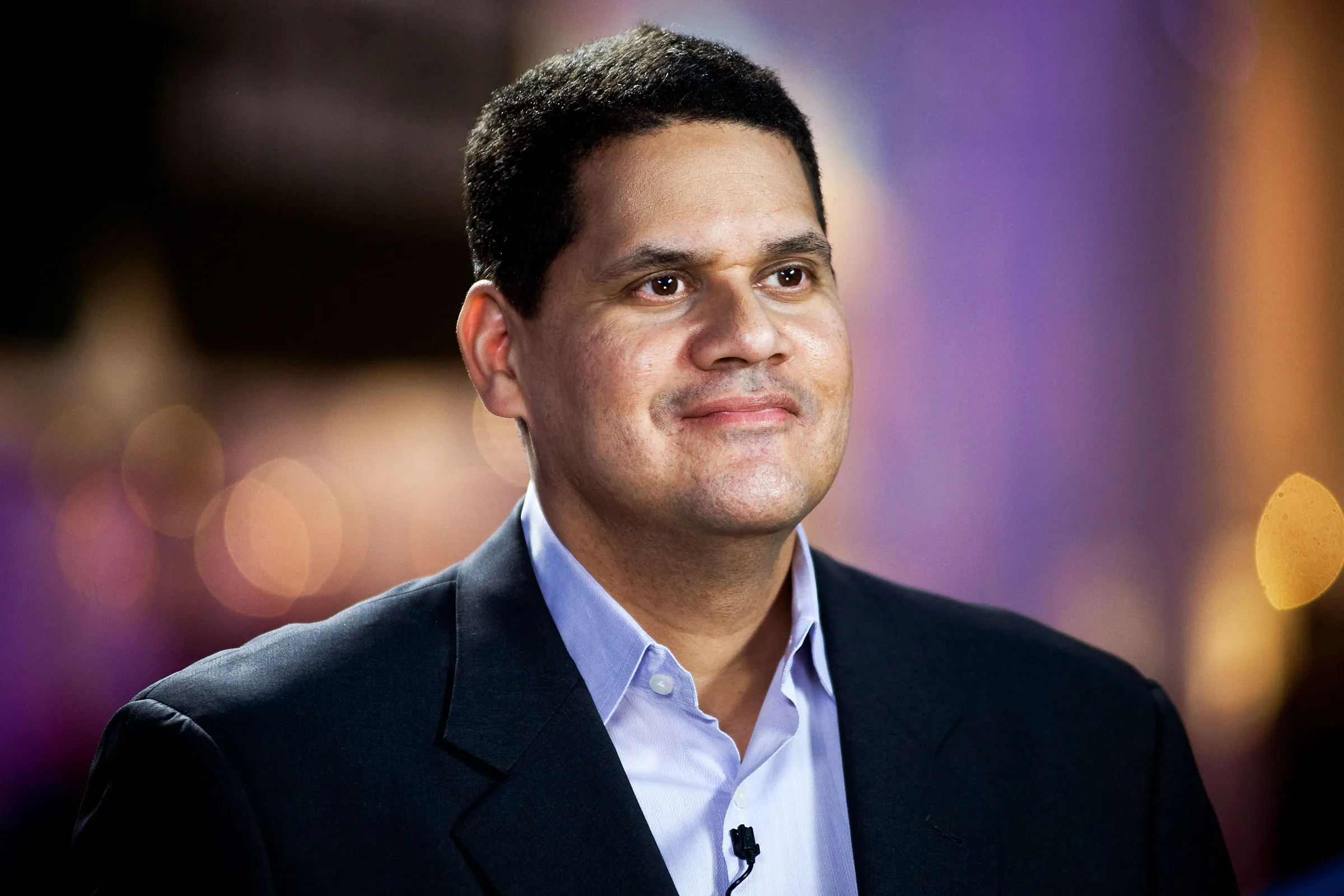
When Reggie Fils-Aimé joined Nintendo of America in 2004, the company was getting left behind. Sony’s PlayStation 2 and Microsoft’s Xbox dominated the console wars, and Nintendo’s GameCube had sold about 21.7 million units. PS2 moved over 155 million. That’s not a close race.
The obvious move? Build a better, more powerful console and slug it out with the competition. Fils-Aimé had a different idea. Why not go after people who didn’t even think of themselves as gamers? Grow the pie instead of fighting over slices of it.
It was a risky bet. If it flopped, Nintendo could’ve fallen even further behind. It didn’t flop. It set up the Wii’s massive success.
The Bet: Give Away the Thing That Sells Everything Else
Before the Wii launched in 2006, Fils-Aimé pushed for Wii Sports to come free in the box. The idea initially faced resistance inside Nintendo. Nintendo had always treated its games as premium products, moneymakers in their own right. Fils-Aimé was basically asking the company to walk away from serious software revenue just to get more consoles into homes.
But his reasoning wasn’t about generosity. It was about acquisition. As he put it later: “The goal of Wii is to expand gaming from its current niche to a mass-market medium.”
Nintendo eventually agreed, at least in the Americas. The results speak for themselves. Wii sold 101.63 million units worldwide, dwarfing GameCube’s 21.74 million. Wii Sports, riding on that bundle, reached at least 82.79 million copies.
There’s a sharper lesson buried in here than just “give stuff away for free.” Sometimes a product’s real value isn’t in selling it. It’s in using it to remove someone’s doubt about buying something else.
Three Rules Behind Reggie’s Decisions
Expand the category. Don’t just fight for it.
While everyone else was racing to out-spec each other, Fils-Aimé asked a different question: who else could be a customer? “You have to pursue new innovative ideas that break the mold,” he said. The Wii went after families, older folks, casual players — people the industry had basically ignored. Cornell’s breakdown of his strategy makes clear this wasn’t about abandoning Nintendo’s identity. It was about widening the door.
Make the innovation explain itself.
A great product still dies if nobody can explain why it matters. Simple as that. Nintendo’s mantra became making it “crystal clear what the proposition is.” That’s exactly why the Switch got pitched so plainly: a home console you can take with you. No confusion. No ambiguity. Unlike its predecessor.
Treat failure like research, not a verdict.
Figure out exactly what broke. Then build the next thing around that lesson.
The Wii U stumbled for two clear reasons: nobody understood what it was for, and there wasn’t enough great software to keep people hooked. Nintendo didn’t shy away from naming those problems. It built the Switch strategy directly around fixing them.
The Wii U’s 13.56 Million-Unit Warning
The Wii U is the quiet failure in this story — the one that taught the real lessons.
After Wii’s 101.63 million in sales, Wii U limped to just 13.56 million. Fils-Aimé later admitted what went wrong: the pitch wasn’t clear, and the games weren’t coming fast enough.
But Nintendo didn’t throw out the core idea. Flexible, portable play was still worth chasing. They just fixed the execution. The Switch kept the spirit of Wii U’s off-TV concept, but this time, portability was the whole point — unmistakable, front and center. The Switch went on to sell more than 150 million units worldwide. Fils-Aimé helped get it off the ground, though most of that success came after he retired in 2019.
The Network Behind the Contrarian
Iwata and Miyamoto gave Nintendo its creative and institutional muscle — even though both pushed back on the Wii Sports idea at first. NOA executive Mike Fukuda backed Fils-Aimé during the internal fight to get it approved.
Doug Bowser took over as Nintendo of America president when Fils-Aimé retired in 2019.
What made Fils-Aimé effective wasn’t some lone-genius instinct. It was position. He sat right between American consumers, retailers, and Nintendo’s leadership in Kyoto. He wasn’t a visionary working in isolation — he was a translator, turning what he saw in the market into product decisions that stuck.
The Move to Copy: Bundle the Proof
Ask yourself one question: what could a customer experience in five minutes that would make the rest of your sales pitch pointless?
Whatever that answer is — turn it into the demo. The trial. The onboarding. The bundle every new customer gets on day one. Don’t rush to squeeze maximum revenue out of that layer. Instead, test whether giving up some margin there pays off in conversions, retention, or a bigger market overall.